
Last updated November 23, 2026
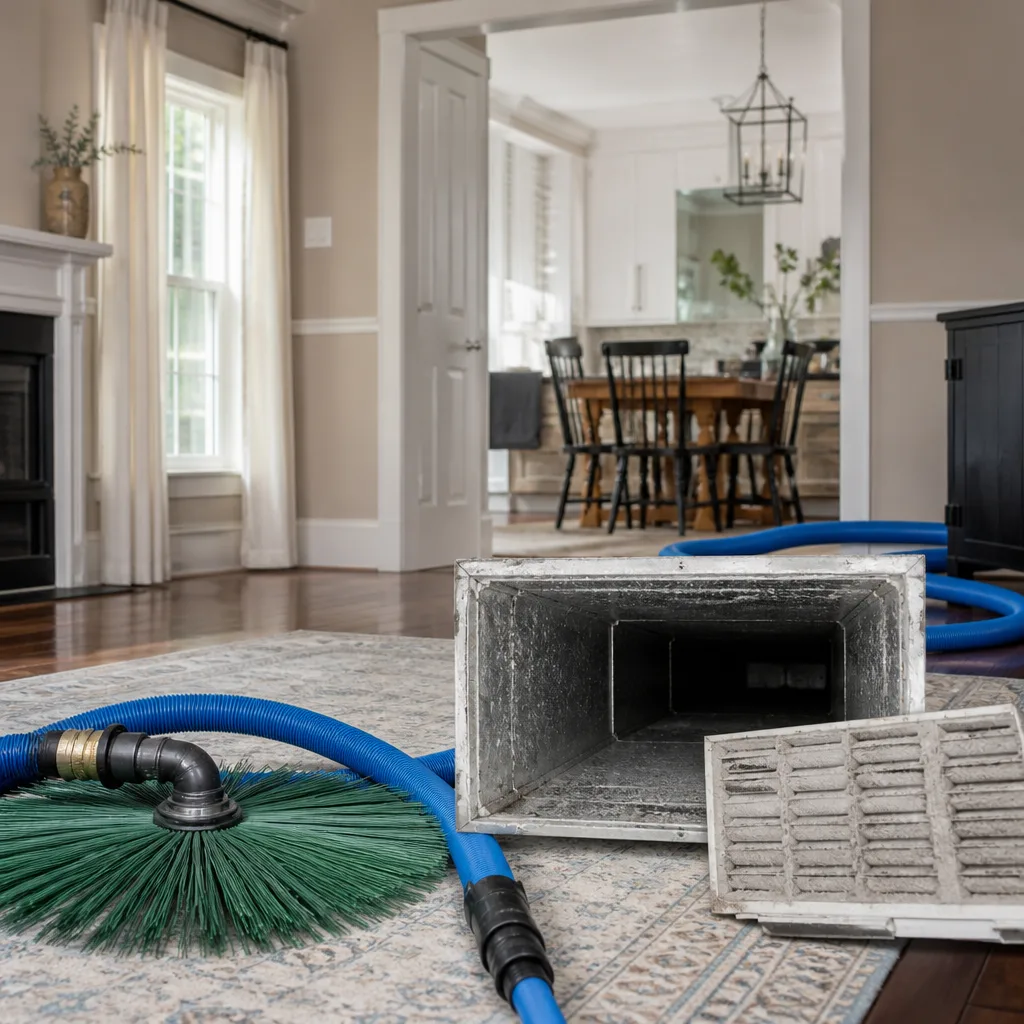 Whole-home duct cleaning
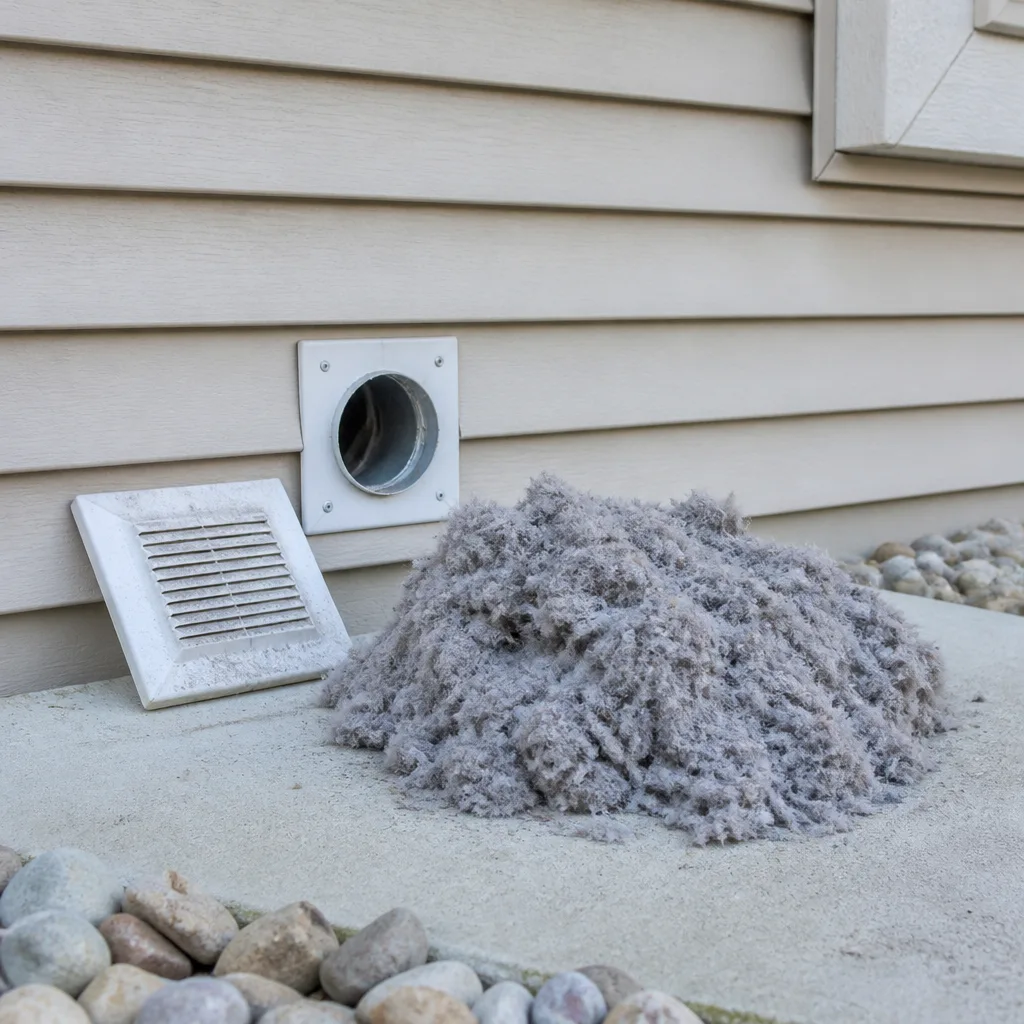 Dryer vent cleaning
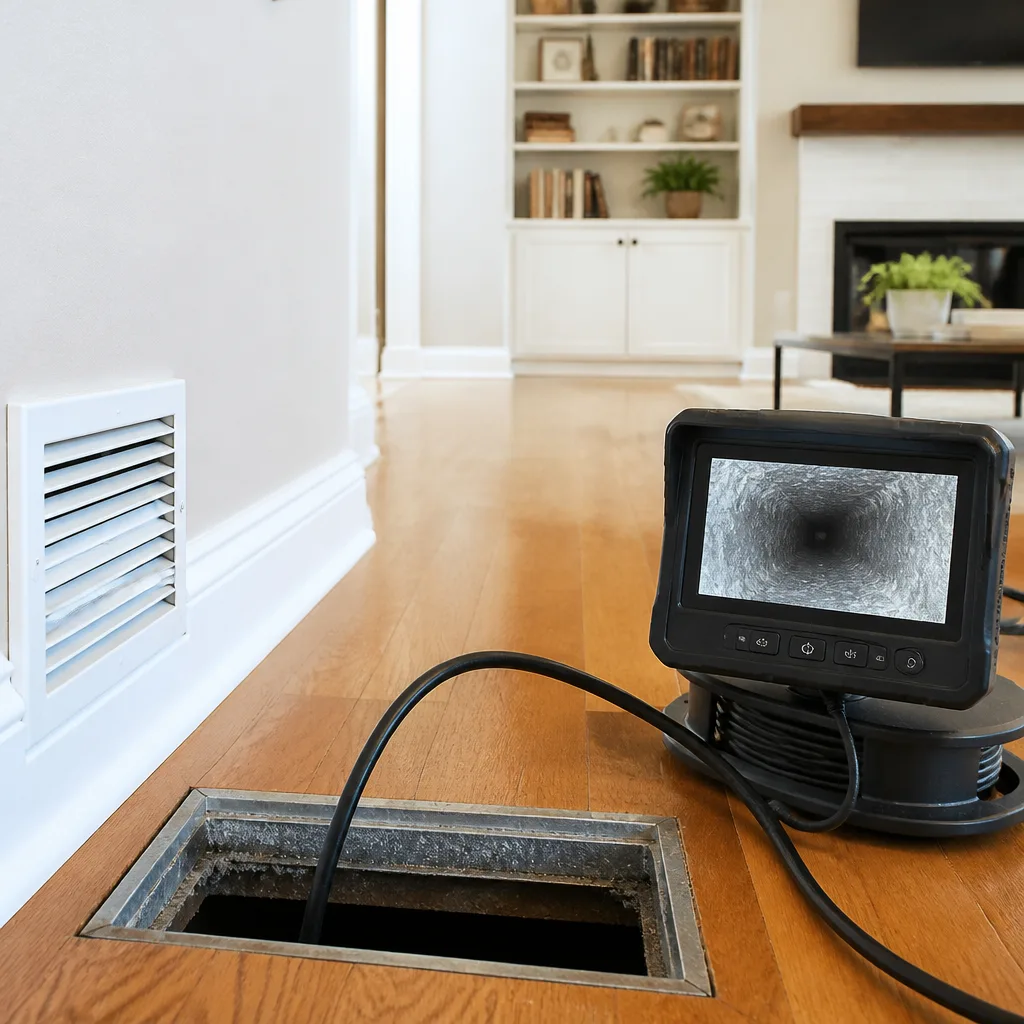 Camera inspection
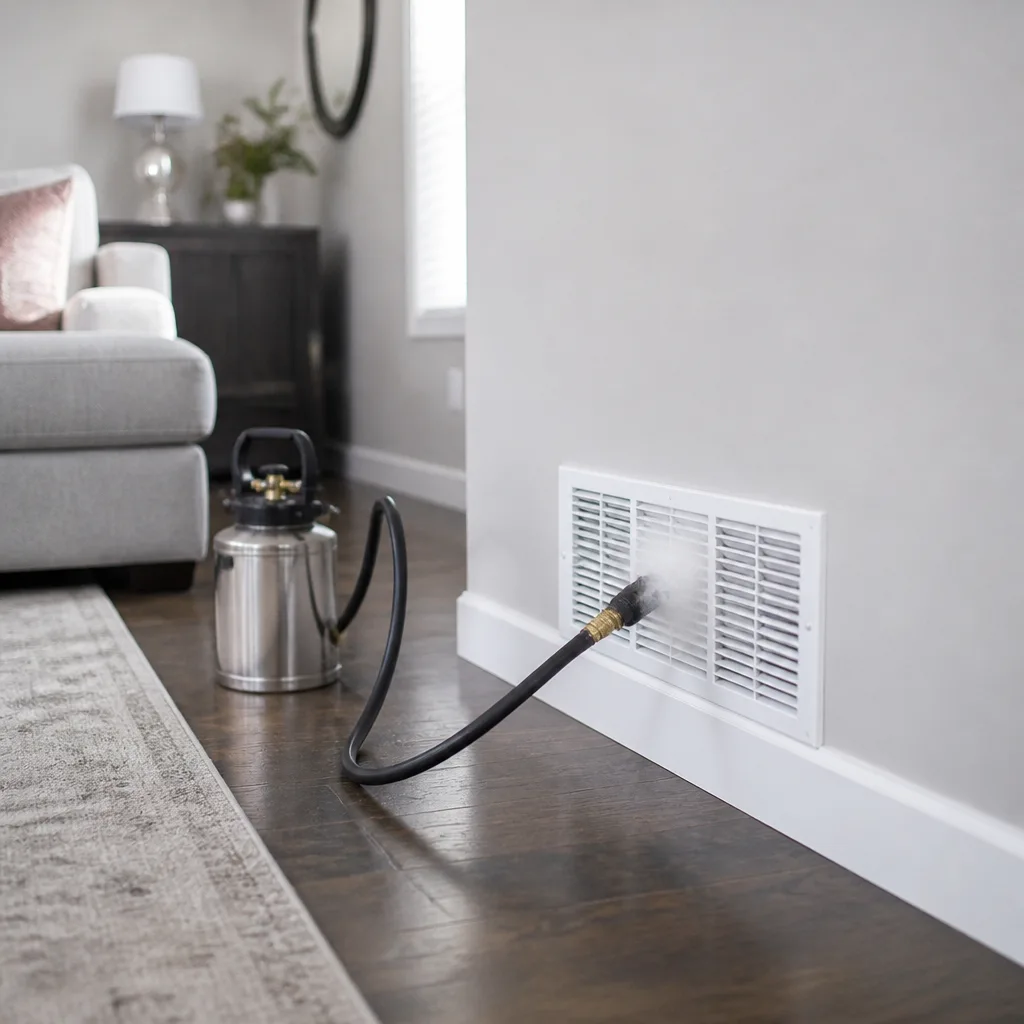 Sanitizing & deodorizing
Whole-system duct and dryer vent check with before-and-after photos - you see exactly what came out of your vents
That "$99 whole-house special" is a bait ad - the real number appears once they are in your hallway, or the "clean" is a shop-vac at the register. We photograph the inside of your ducts before and after instead.
Air Duct Cleaning Warning Signs: A Centennial Homeowner’s Reference Guide
Dust reappearing on surfaces 48 hours after you cleaned isn’t a housekeeping issue. It’s your duct system telling you something specific about its condition. Most Centennial homeowners wait for a dramatic signal before scheduling an inspection: visible mold, a room that won’t heat, or a smell that won’t leave. By then the problem has usually been building for months. The real indicators are quieter. They show up in airflow patterns, odor behavior, uneven temperatures, and how fast dust settles. This guide shows you how to read those signals in your own home. We’ll cover the patterns that actually matter, the ones that get misread, and when a problem is worth a professional look. Air duct cleaning is about recognizing the early setup before it becomes an expensive fix.
Quick Answer
The main warning signs that your air ducts need attention in Centennial are dust that returns within a couple of days of cleaning, rooms that never reach the set temperature, musty or stale odors when the system runs, allergy symptoms that appear in a household with no prior history, utility bills that creep up without a usage change, and visible streaking around supply registers. One sign alone is worth watching. Two or more that persist are worth an inspection.
Styles & brands we work with
- Whole-home duct cleaning
- Dryer vent cleaning
- Camera inspection
- Sanitizing & deodorizing
Table of Contents
- Dust That Comes Back Fast: Normal vs. Accelerated
- Uneven Room Temperatures: Duct Integrity vs. Equipment Sizing
- Reading Odor Patterns: Musty, Burnt, Chemical, Stale
- New Allergy Symptoms in a Previously Comfortable Home
- Your Utility Bill as a Proxy for Duct Degradation
- How a Professional Duct Inspection Actually Works
- Why Sealing and Repair Often Matter More Than Cleaning
- Centennial Climate and What It Does to Duct Systems
Dust That Comes Back Fast: Normal vs. Accelerated
Every home collects dust. The useful question isn’t whether dust appears but how quickly it redistributes across surfaces after you clean and where it settles first. In our experience, that timing tells you more about duct condition than the amount of dust you see.
Normal dusting accumulates gradually and sits heaviest on horizontal surfaces you touch often. Accelerated redistribution looks different. It shows up within a day or two of a full clean, and it clusters near supply registers, along the tops of door frames, and on surfaces directly in the path of airflow from a vent. That pattern means the system is actively moving debris back into the room rather than filtering it out.
Three things cause fast dust return:
- Leaking ducts in unconditioned space. Gaps at joints and seams pull dusty attic or crawlspace air into the supply stream and deliver it to rooms.
- A clogged or poorly fitting filter. A filter that’s loaded or seated wrong lets particles bypass it entirely.
- Debris already sitting in the ducts. Built-up dust gets re-suspended every time the blower runs.
Distinguishing leakage from simple accumulation is the first real diagnostic step. If dust collects near the registers, leakage or a filter problem is a strong candidate. If it collects evenly across the room, you may be dealing with a filter or filtration capacity problem. Either way, an inspection that includes a look inside the ducts and a check of the air handler settles it. Our Air Duct Cleaning Centennial team starts every visit by tracing where the dust is coming from before considering cleaning.
Uneven Room Temperatures: Duct Integrity vs. Equipment Sizing
A room that runs a few degrees warmer or cooler than the rest of the house is one of the most misread warning signs in Centennial. Homeowners often assume the furnace or AC is undersized and start shopping for new equipment. More often, the equipment is fine and the ducts aren’t delivering what it produces.
Here’s how to tell the two apart:
- Check whether the problem room changes with the season. A room that’s cold in winter and hot in summer usually points to leakage. A room that’s always warm points more toward insufficient supply or a long, poorly insulated run.
- Feel the airflow at the register. Weak airflow with strong airflow elsewhere is a distribution problem. Weak everywhere suggests a blower or filter issue.
- Look at the run itself. Long duct runs through an unconditioned attic lose heat or cooling before air arrives. Centennial’s temperature swings between seasons amplify this.
- Compare the room to the register. If the air leaving the vent is close to the set temperature but the room stays off, the issue is often duct leakage or an installation that never balanced properly.
None of this means the equipment is perfect. Sizing problems exist. But duct integrity should be ruled out before anyone quotes a system replacement. Leaking joints in the supply lines, disconnected flex runs, and crushed or kinked ducts behind walls and in attic runs are all common findings. We diagnose the pathway first. The answer to most uneven-room complaints is repair and sealing, not a new furnace.
Reading Odor Patterns: Musty, Burnt, Chemical, Stale
Odors are the clearest signal your duct system sends, but only if you read the type correctly. Different smells point to different problems, and treating them all the same leads to the wrong fix.
Musty
A musty smell when the system starts means moisture. Condensation on the evaporator coil, a damp air handler cabinet, or humid air pulled through leaking ducts can all lead to microbial growth in the ducts or on components. Centennial’s climate is dry most of the year, but summer thunderstorms and evaporator coil condensation still create local moisture pockets. Musty odors warrant an inspection before you run the system more. We offer air quality and sanitizing service with Guardsman-grade products for cases where growth has been confirmed, but the source of the moisture has to be found and fixed first.
Burnt
A burnt or scorched smell near the air handler is not a duct problem. It can indicate an electrical or motor issue in the HVAC equipment. Turn the system off and have it looked at. This one belongs to a qualified HVAC technician before any duct cleaning happens. Clearing ducts while an electrical concern is active can move soot through the system. This belongs to the safety category, so treat it as urgent.
Chemical
A sharp chemical odor that appears when the system runs often traces back to a recent renovation, off-gassing materials, or product residue pulled into the return. Ductwork can hold that smell for a while. Cleaning and a fresh filter may clear it, but identifying the source comes first.
Stale
The most common of the four. A stale, closed-in smell on first start of the day usually means accumulated dust and debris in the ducts and a return that’s pulling air from a tight, low-circulation space. Stale odors are the easiest to fix with a proper cleaning and filter change.
New Allergy Symptoms in a Previously Comfortable Home
When someone in a household that never had allergy problems starts showing symptoms, the instinct is often to adjust medication. That’s a decision for a doctor, but there’s a step worth taking first: look at the duct system. The home hasn’t changed and the people haven’t changed, so the air they’re breathing may have.
Three signs in a previously symptom-free household warrant a duct inspection:
- Morning congestion that clears during the day. Symptoms worst after sleeping are consistent with exposure to what the duct system delivers overnight, when the blower cycles through the same air repeatedly.
- Symptoms that appear only in certain rooms. If one bedroom is consistently worse than the rest of the home, the problem may be that room’s supply or return.
- New symptoms following renovations or a major project. Construction dust gets pulled into returns and lingers. Cleaning afterward is standard practice.
Allergy complaints are one of the most common reasons homeowners call us. An inspection tells you whether the ducts are part of the problem. If growth or contamination is present, remediation and sanitizing handle it. If the ducts are clean but the filtration isn’t up to the job, adding a proper filter system or tying in HVAC cleaning addresses the source. The point is to check the duct pathway before assuming the home itself has become hostile.
Your Utility Bill as a Proxy for Duct Degradation
Utility bills are one of the most underused diagnostic tools in the home. When the bill creeps up over successive months without a change in use, it’s a signal worth reading. You’re not looking for a specific dollar amount. You’re looking for the trend.
How duct problems show up in a bill:
- Heating and cooling costs rise while habits stay constant. Leaking ducts lose conditioned air before it reaches the rooms, so the equipment runs longer to hit the same temperature.
- Costs increase in extreme weather faster than they used to. In Centennial, summer and winter both stress the system. A duct system that handled it fine a couple of years ago and now struggles is telling you something.
- Costs don’t fall even after a service visit or new filter. If the equipment is fine and the bill stays high, the delivery path is the next place to look.
- You’re using the system more than the square footage should call for. Not a precise number, but a habit worth noticing.
Bills are a proxy, not proof. They point you toward the duct system. Confirming leakage takes a proper inspection with airflow and pressure checks. But for a homeowner trying to decide whether an inspection is worth scheduling, a rising bill against stable habits is a reasonable trigger.
How a Professional Duct Inspection Actually Works
An inspection is not the same as a cleaning. The inspection comes first, and the cleaning only happens if the inspection says it’s warranted. A useful inspection in Centennial follows a predictable sequence:
- Walkthrough and questions. When did symptoms start? Which rooms? What’s happened in the home recently? Renovations, new pets, water damage, or a recent move all change the interpretation.
- Register and return check. Supply and return grilles are opened and checked for debris, streaking, and airflow behavior.
- Duct interior look. A camera and light look at the duct interiors, particularly the main trunk and any suspect runs.
- Air handler inspection. The blower and evaporator coil area are checked for dust buildup and moisture.
- Leak detection. Joints, seams, and connections are checked for gaps and disconnections that explain airflow loss.
- Filtration review. The filter type, seating, and condition are checked against what the equipment needs.
Equipment matters here. We use Rotobrush and Nikro systems, which are contractor-grade tools that let a technician see and agitate the full length of a duct rather than relying on guesswork. We also carry Abatement Technologies tools for the equipment and air quality side of the inspection. The result of a proper inspection is a clear answer: the ducts are fine, they need cleaning, or there’s a leakage or repair issue that has to be addressed before cleaning means anything.
Why Sealing and Repair Often Matter More Than Cleaning
Cleaning removes what’s in the ducts. Sealing and repair fix why it’s there and why your conditioned air isn’t arriving. Both belong to the same job. A duct system cleaned without addressing leakage will collect dust again. This is one of our core differences: we don’t just clean, we diagnose, repair, and protect.
What sealing and repair address:
- Leaking joints and seams. Gaps pull unconditioned air into the supply stream and push conditioned air into attics and wall cavities.
- Disconnected flex runs. Common in attics and older installations. A disconnected run dumps conditioned air into the attic and leaves the room it serves starved.
- Crushed or kinked ducts. Flexible runs pinched during installation or renovation restrict airflow regardless of cleaning.
- Poorly fitted register boots. Gaps around register boots are a frequent source of dust streaks along the wall and ceiling.
When we quote a duct service, we look at the full air pathway: ducts, dryer vent, HVAC unit, sealing, and sanitizing as needed. That means the work is measured by whether the system performs better afterward, not just by how much debris came out. Our dryer vent cleaning service follows the same approach for the dryer’s exhaust path, which has its own blockage patterns and its own warning signs.
Centennial Climate and What It Does to Duct Systems
Centennial sits on the western edge of the Denver metro, which shapes how duct systems behave here. The climate is dry much of the year, summers bring strong afternoon sun and occasional heavy rain, and winters deliver cold snaps and freeze cycles. Each of these stresses the duct system in a specific way.
- Dry air and dust load. Semi-arid conditions mean fine dust is everywhere. It finds its way into returns and the duct system, and the blower redistributes it.
- Summer heat in unconditioned runs. Attic temperatures climb high enough that long attic runs lose cooling before it reaches the register. Leakage in those same runs makes it worse.
- Winter freeze stress at boots and seams. Thermal cycling loosens seals at register boots and connections over successive seasons.
- Summer moisture events. Thunderstorm humidity spikes create short-term pockets where condensation forms in cabinets and ducts. Musty smells show up in the weeks after.
These aren’t reasons Centennial homes are in constant crisis. They’re reasons the warning signs are worth reading accurately. A duct system in a dry, temperature-cycling climate will accumulate dust and develop small leaks. The pattern is normal. Recognizing when the pattern has passed the line into a real problem is what the warnings above are for.
Common Mistakes to Avoid
- Assuming fast dust return is normal. Some dust is normal. Dust returning within a day or two of a full clean is accelerated redistribution, and it points to leakage or debris in the ducts. Treat it as a signal, not a chore.
- Buying new HVAC equipment to fix uneven temperatures. Ruling out duct leakage and disconnected runs comes first. Centennial homeowners spend thousands on new equipment when sealing the existing system solves the problem.
- Treating every odor as the same problem. Musty, burnt, chemical, and stale smells each lead somewhere different. Burnt smells in particular are a safety issue and belong to an HVAC technician before any duct work.
- Choosing a quote based only on price. A duct job’s real cost depends on what’s found inside. A quote given without inspecting the ducts is a number, not a diagnosis.
- Cleaning without addressing leakage. Clean ducts in a leaking system won’t stay clean. Repair and sealing belong in the same conversation, or the dust comes back.
- Assuming allergy symptoms always mean new medication. A previous symptom-free household that suddenly has symptoms is worth a duct inspection. It’s not a medical decision, it’s an airflow question.
- Overlooking the dryer vent while inspecting the ducts. Dryer vents are part of the air pathway, and a partially blocked vent is a fire concern, not just an efficiency issue.
See the difference
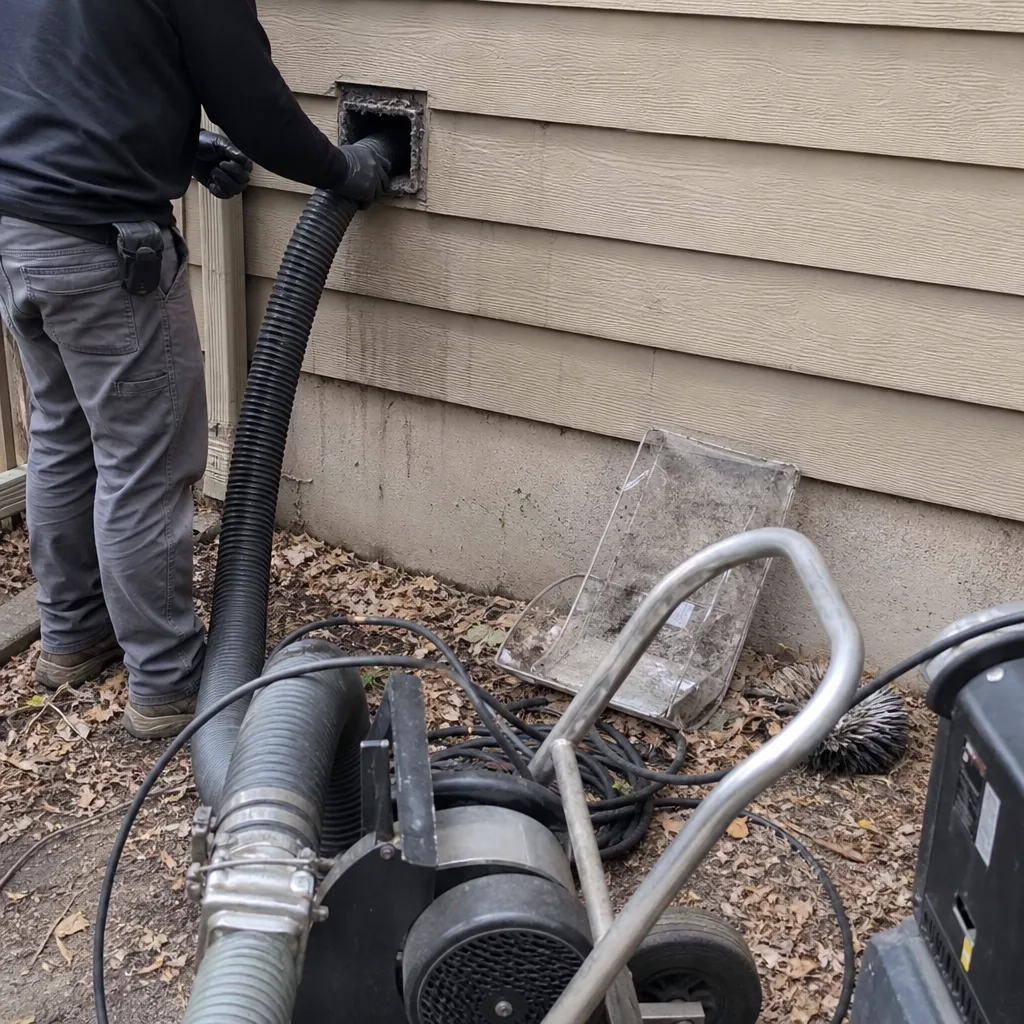 Before
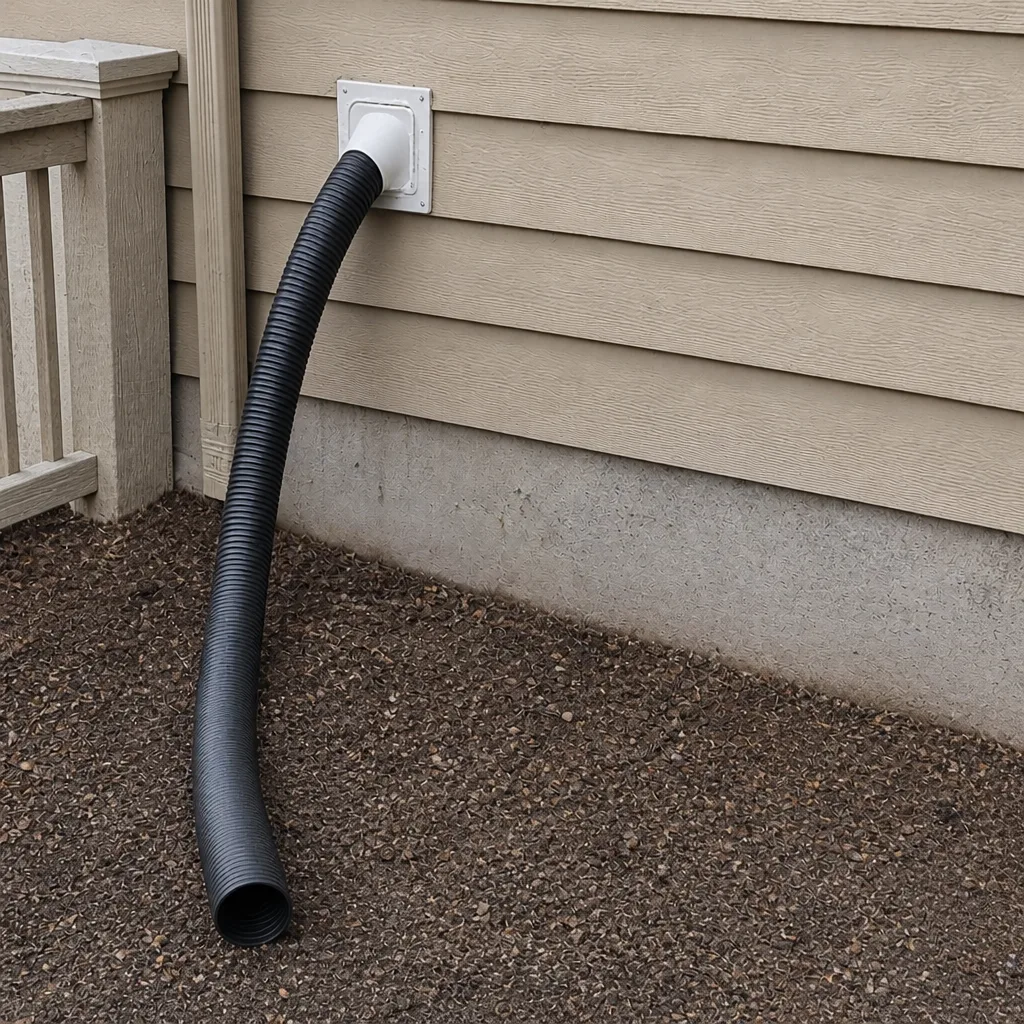 After
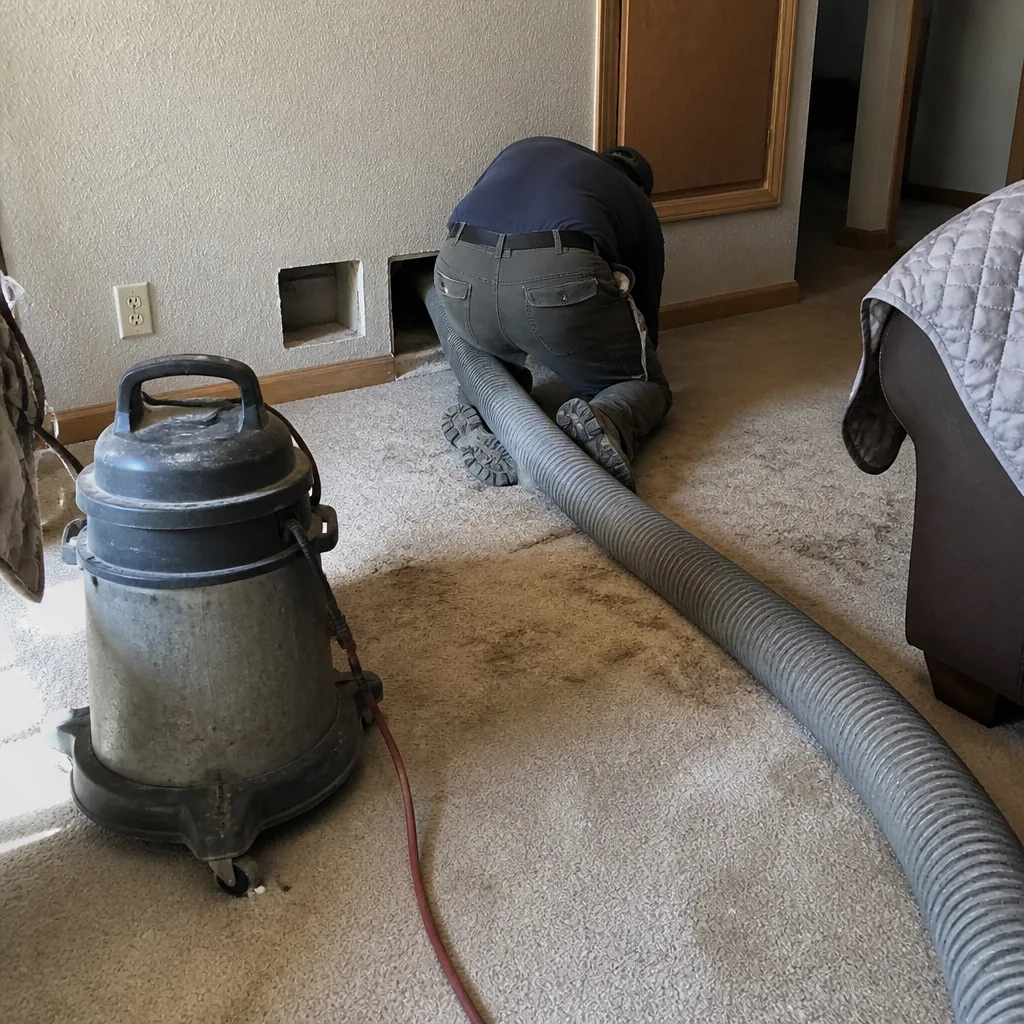 Before
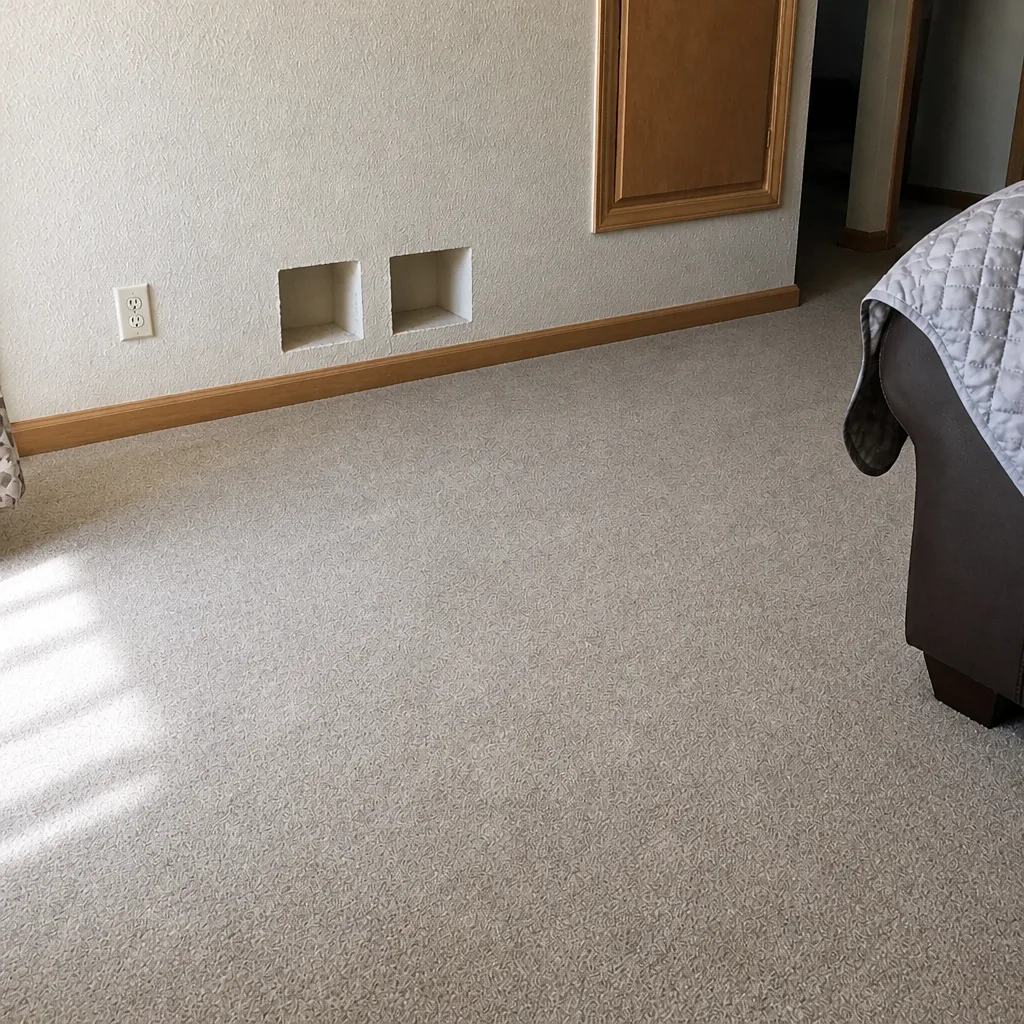 After
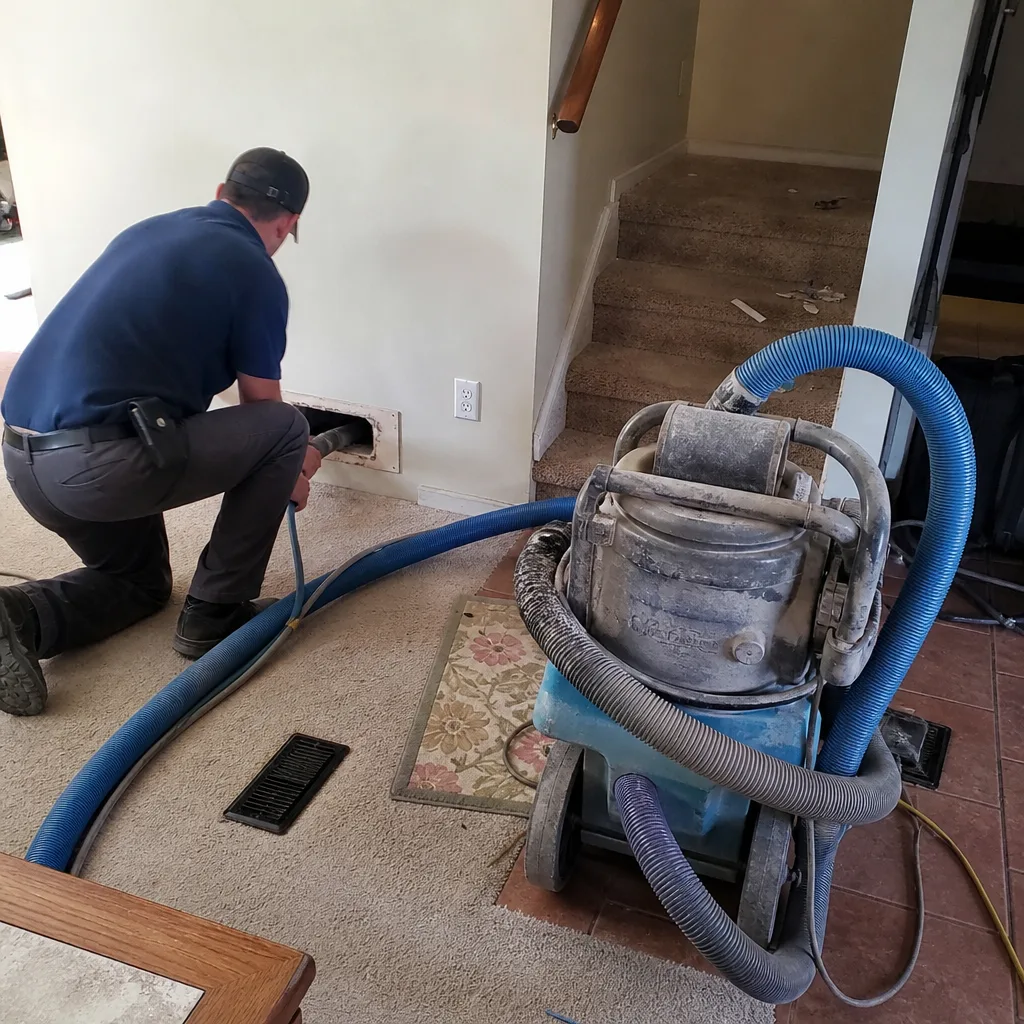 Before
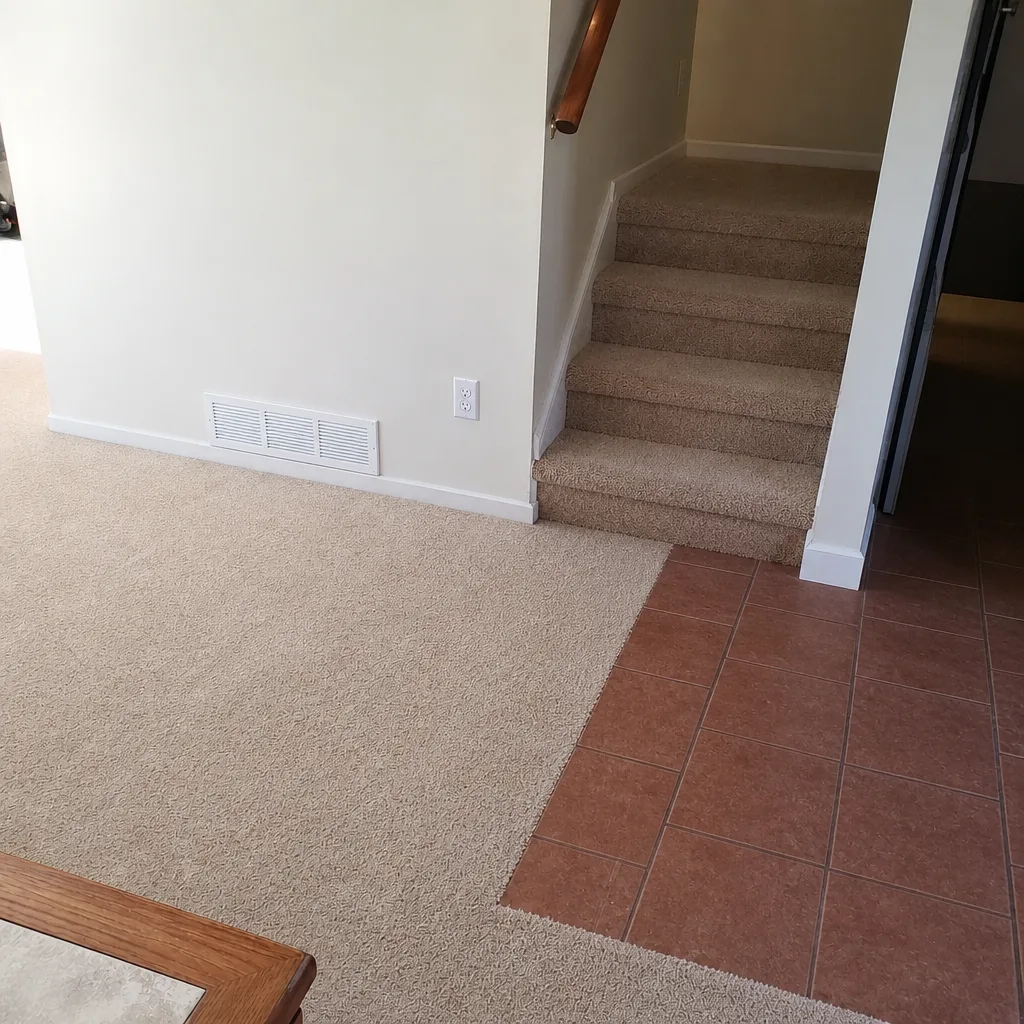 After
When to Call a Professional
Not every warning sign requires a call. A little dust and a couple of degrees of temperature variance are ordinary. But some situations are worth a professional inspection without waiting for things to get worse.
Call us if you’re seeing two or more of the warning signs in this guide at the same time and they’re persistent, not one-off. Call if you find visible growth inside a register, streaks or dark discoloration around supply grilles, or a musty smell that doesn’t clear after a filter change. Call if someone in the home has new allergy symptoms and other explanations have been ruled out. Call if you’ve just finished a renovation that generated significant dust. And call if your utility bills have climbed against steady usage for more than a season. These are the situations where an inspection pays for itself by telling you what’s actually happening.
Air Duct Cleaning Centennial offers free estimates in Centennial. Call (855) 337-2063. We answer 24/7. Fast dispatch from 7am to 7pm, Sunday through Friday. Our technicians have up to 11 years of experience.
Frequently Asked Questions
Dust returning to surfaces within 48 hours of a full cleaning, especially near supply registers, is the most reliable primary signal. It indicates the system is actively redistributing debris rather than filtering it out. Call (855) 337-2063 for an exact quote – estimates are free.
Costs are per system, not per vent, and the final price depends on the condition found during inspection. We set a flat price per system in writing before any work starts, and we take before-and-after photos of your own ducts so you know exactly what was done. Call (855) 337-2063 for a free estimate on your home.
Low quotes often come from per-vent pricing that grows once the technician is on site, or from services that don’t inspect for leakage or damage. A quote given without looking inside the ducts isn’t a diagnosis. We quote a flat price per system after inspection, and the number doesn’t change. Call (855) 337-2063 to schedule.
Most homes in Centennial don’t need yearly cleaning. Conditions matter more than the calendar: new construction dust, renovations, pets, water damage, persistent allergy symptoms, or a system that hasn’t been addressed in a long time. If one of those conditions applies, an inspection is worth it. Call (855) 337-2063 to get one scheduled.
Before-and-after photos of your own duct system, plus a clear explanation of what the technician found and did. Ask for both. We photograph as we work because it’s the only honest way for a homeowner to verify a duct cleaning happened. Call (855) 337-2063 for details.
Rule out duct leakage and disconnected or crushed runs first. In our experience, most uneven-temperature complaints in Centennial homes trace back to duct integrity or balance rather than equipment sizing, though both are worth checking. An inspection settles it. Call (855) 337-2063 to book one.
The Bottom Line
Duct systems send real warnings. Dust that comes back fast, rooms that drift off temperature, musty or stale smells on startup, new allergy symptoms in a household that never had them, and bills that climb without a usage change are all genuine signals. Read together, they point to specific problems, and those problems are usually fixable before they turn into a costly one. The key is to look at the pattern rather than waiting for something dramatic. If two or three signs line up, an inspection is the next right step. Our air duct cleaning team handles cleaning, diagnosis, and repair as one job because the pathway is one system.
Call (855) 337-2063. We answer 24/7. Fast dispatch from 7am to 7pm, Sunday through Friday. Estimates are free.
Written by the team at Air Duct Cleaning Centennial.