
Last updated November 23, 2026
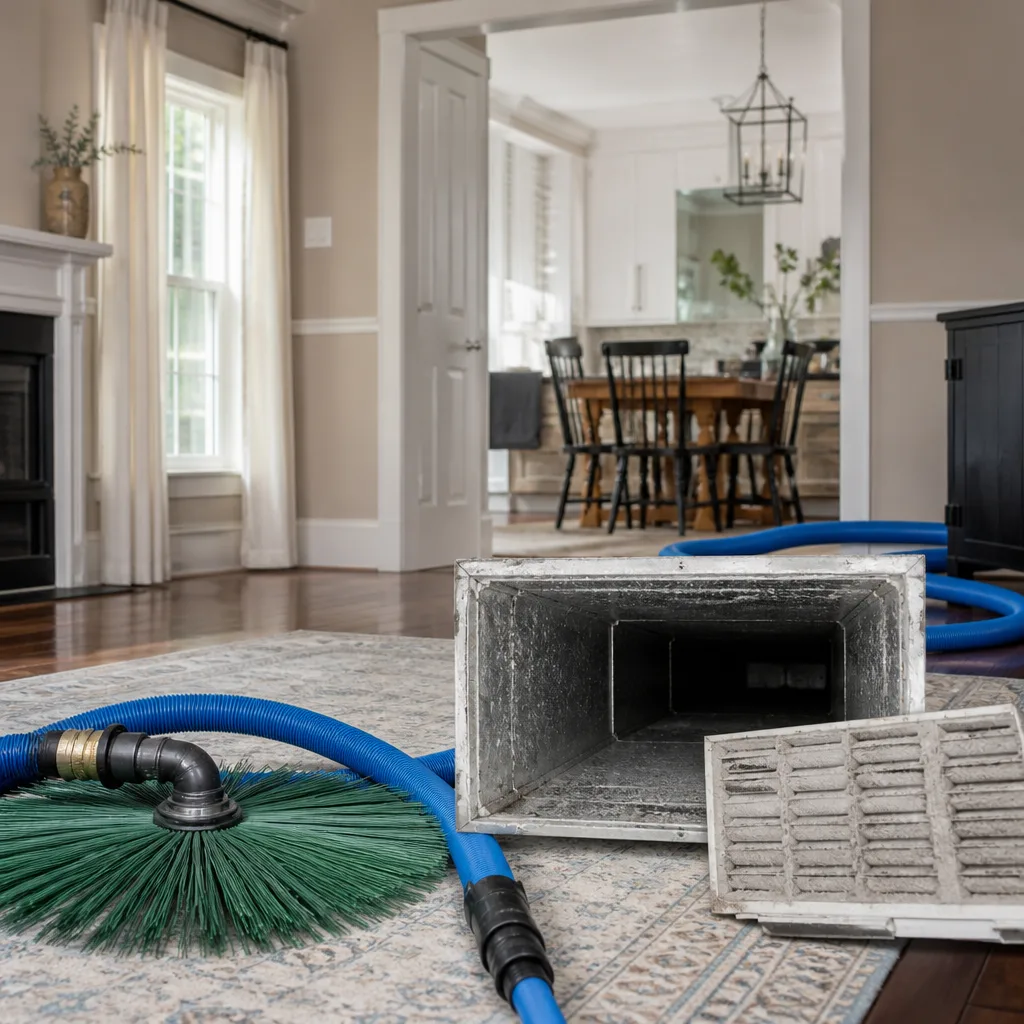 Whole-home duct cleaning
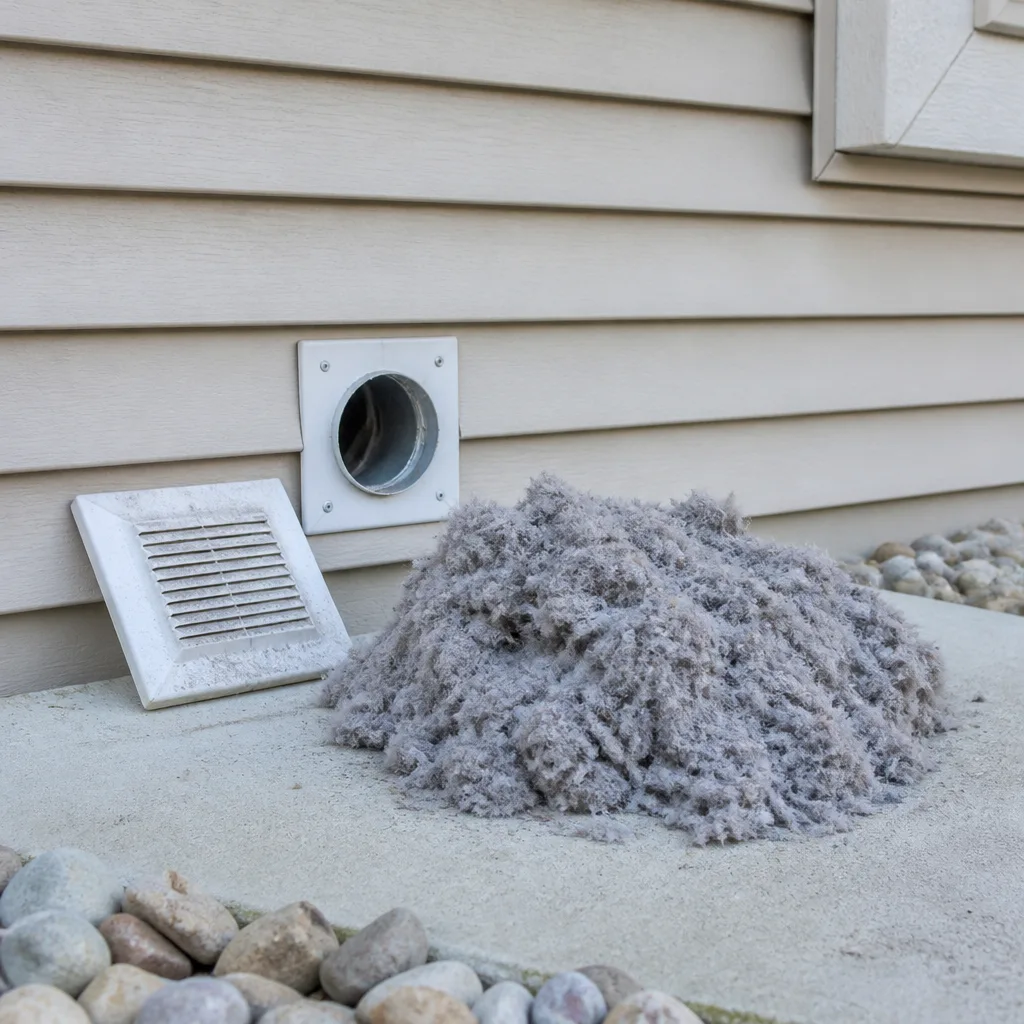 Dryer vent cleaning
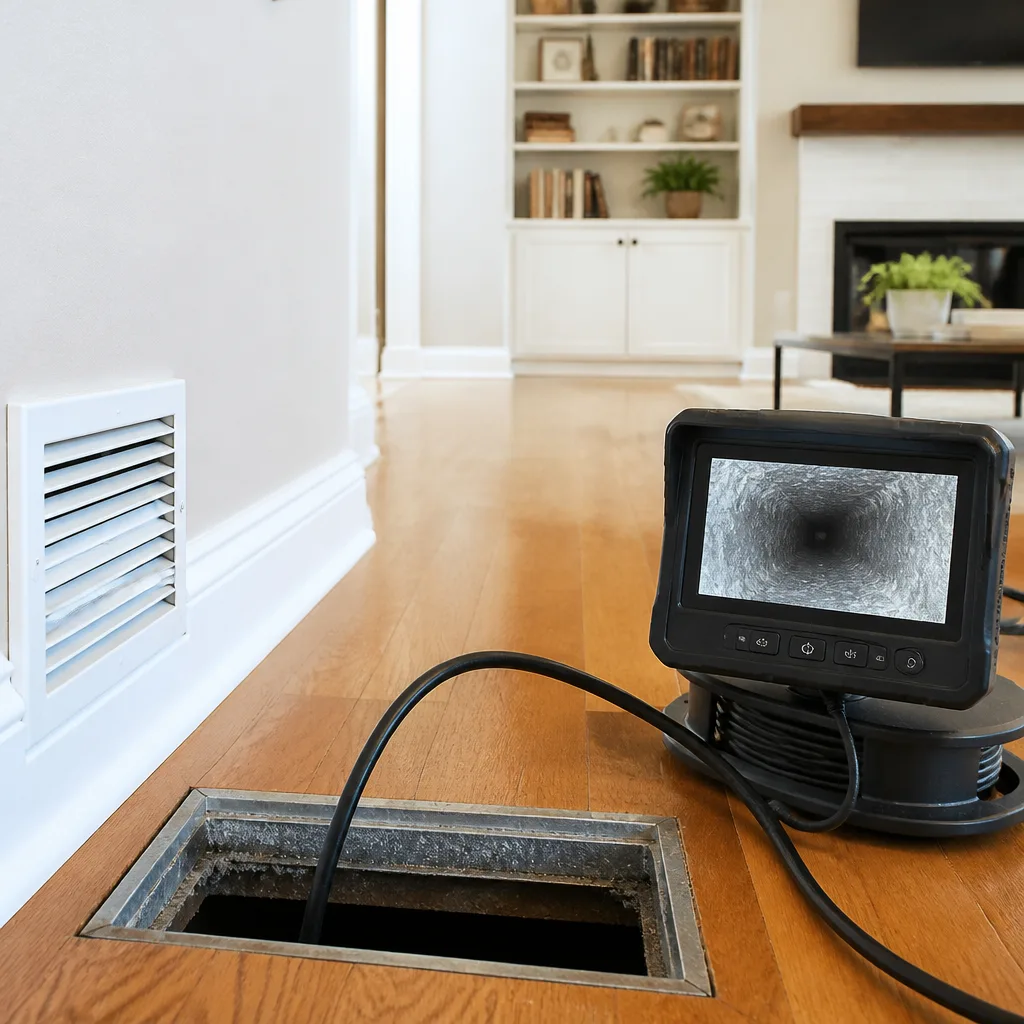 Camera inspection
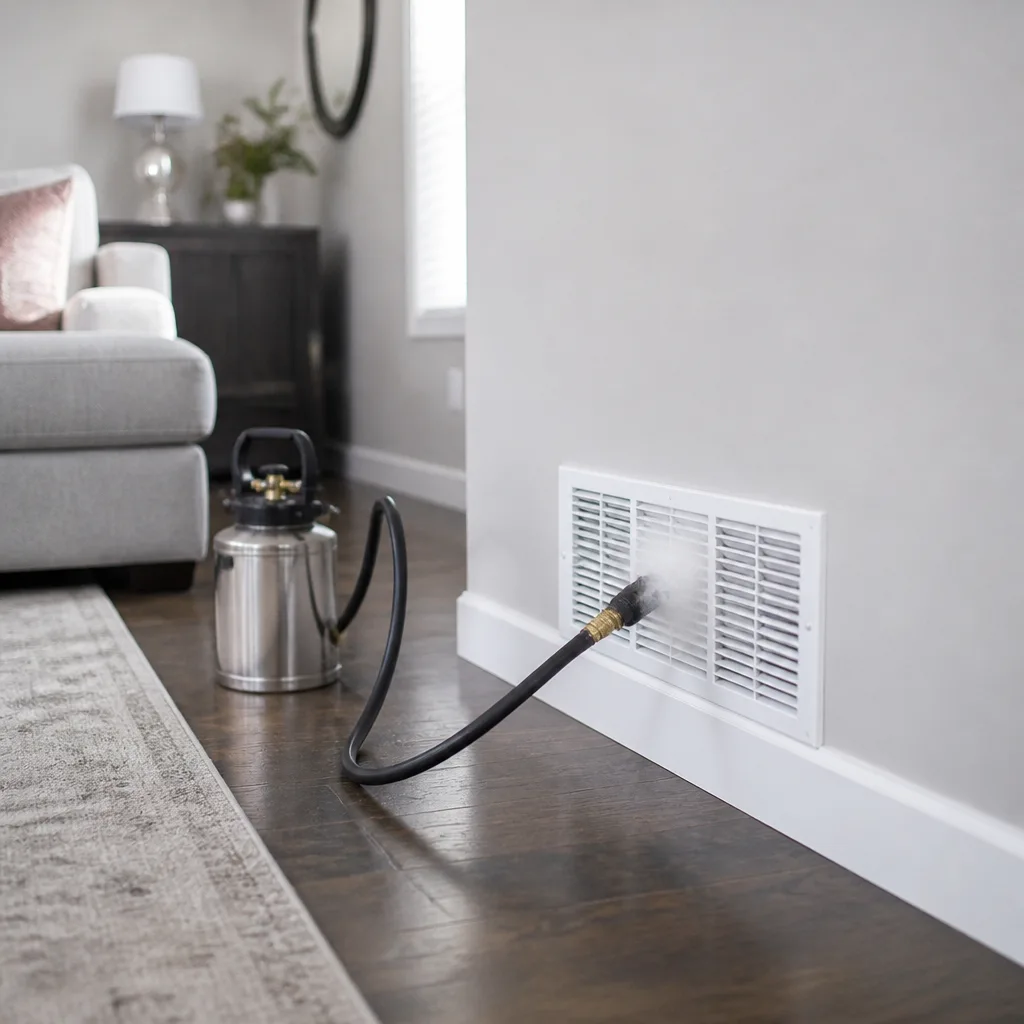 Sanitizing & deodorizing
Whole-system duct and dryer vent check with before-and-after photos - you see exactly what came out of your vents
That "$99 whole-house special" is a bait ad - the real number appears once they are in your hallway, or the "clean" is a shop-vac at the register. We photograph the inside of your ducts before and after instead.
The Complete Guide to Air Duct Cleaning in Centennial
Most homeowners treat duct cleaning as a one-time checkbox: book it once, forget it, move on. That framing is the reason so many Centennial homes have duct systems that look clean from the register and aren’t. Your ducts are a living part of the house. They carry every cubic foot of air your family breathes, they take on whatever the season throws at them, and they wear in ways that have nothing to do with how the house looks from the street. This guide walks through what actually accumulates inside a Centennial duct system, what a legitimate cleaning involves, and how to tell routine maintenance from a job that’s gone past routine.
Quick Answer
Air duct cleaning in Centennial is the mechanical removal of dust, debris, and contamination from the entire air pathway using negative pressure and brush agitation, not a surface wipe of the registers. A proper full-system cleaning includes the supply and return ducts, the air handler, and the blower, and it should leave behind before-and-after documentation. Around Centennial, altitude, dry air, and wildfire smoke season make the schedule and the scope different from what a national checklist would suggest.
Styles & brands we work with
- Whole-home duct cleaning
- Dryer vent cleaning
- Camera inspection
- Sanitizing & deodorizing
Table of Contents
- Why Centennial Ducts Age Differently
- How Altitude and Dry Air Change Dust Buildup
- What a Full-Spectrum Cleaning Actually Involves
- Blow-and-Go Versus Real Cleaning
- Routine Cleaning Versus Contamination-Level Remediation
- New Construction and Remodels: A Different Job Entirely
- What Documentation You Should Receive
- How Often Should Centennial Homes Schedule Cleaning?
Why Centennial Ducts Age Differently
Centennial sits on the Front Range at roughly 5,500 feet, in a semi-arid climate with low average humidity and a long heating season. Those aren’t trivia points. They change how fast a duct system loads up with dust and how that dust behaves once it settles.
Low humidity means airborne particulates stay suspended longer instead of dropping out of the air quickly. The fine fraction of household dust, the part that carries allergens, spends more time circulating before it lands on a duct wall. Add the static charge that dry air builds up on galvanized duct interiors, and you get surfaces that attract and hold fine dust rather than letting it slide and collect in predictable low spots.
Air density at altitude also matters for the equipment side of the trade. A duct cleaning system that performs well at sea level behaves differently at 5,500 feet, which is one reason contractor-grade equipment with adjustable suction and airflow settings matters here. Consumer machines sold on the same shelf as shop vacuums don’t have that range.
Then there’s wildfire season. The Front Range sees stretches of smoke-laden air most summers, and the fine particulate from that smoke doesn’t just pass through the house. It deposits on filter media, on the air handler, and on duct surfaces. A system that was clean in April can be carrying a summer’s worth of smoke residue by October.
In our experience across Centennial, the systems that need attention most are rarely the oldest ones. They’re the ones that have run for years under high-efficiency HVAC equipment whose tighter tolerances magnify the effect of any restriction or buildup in the ductwork. When you’re ready to book, Air Duct Cleaning Centennial covers the full pathway rather than the registers alone.
How Altitude and Dry Air Change Dust Buildup
If you’ve lived in a humid climate and moved to Centennial, the difference in how dust behaves is noticeable within a season. Here’s what changes and why.
- Longer suspension time. With lower average humidity, fine particulates stay airborne longer. They migrate further into the duct system before settling, so the deposit profile is spread along the run rather than concentrated near the return.
- Static attraction. Dry air raises static charge on metal duct surfaces. Fine dust clings to duct walls instead of falling to the bottom, which is why a visual inspection through a register can look fine while the walls are coated.
- Heating-season load. A long heating season means the blower runs hard for more months of the year. Every hour of blower operation pushes air through the same ductwork, so a Centennial system reaches its annual air volume faster than a system in a mild climate.
- Smoke-season spikes. Wildfire smoke delivers a burst of fine particulate that ordinary household dust doesn’t, and the resulting deposits land deeper in the system where a surface cleaning won’t reach.
- Sealing and air loss. Dry conditions crack and shrink duct sealant and tape over time. Leaky joints draw unconditioned attic or crawlspace air into the supply path, bringing dust and insulation fibers with it.
None of that means every Centennial home needs cleaning every year. It does mean that judging your system against a national average interval, or against a neighbor’s schedule, tells you almost nothing useful. The condition of the ducts is what matters, and the only way to know the condition is to look inside with the right equipment.
What a Full-Spectrum Cleaning Actually Involves
A full-spectrum cleaning treats the whole air pathway as one system: supply ducts, return ducts, the air handler, the blower, and the coil, with attention to the dryer vent as a separate pathway. The order matters, and it follows a process.
- Assessment. Before any equipment goes in, the system is mapped and inspected. Register count, duct layout, flex versus rigid runs, and any obvious leakage are noted. This is where a scope gets set and a flat price per system gets agreed.
- Negative pressure setup. A high-powered vacuum and HEPA filtration unit connect to the system and pull the entire duct network into negative pressure. This is the step that keeps loosened debris from blowing into living space.
- Brush agitation. Rotobrush and Nikro systems run a rotating brush through each duct run, breaking deposits off the walls so the negative pressure can carry them out. Contact cleaning is what separates a real cleaning from a suction-only job.
- Air handler and blower cleaning. The blower wheel, cabinet, and coil are cleaned separately. This is where a lot of hidden buildup lives, and it’s the part most cleaning-only providers skip.
- Sanitizing. Where contamination is present, an EPA-registered sanitizing treatment is applied after cleaning, not before. Guardsman-grade products are what we use for this step because the protection standard is defined and verifiable.
- Verification. Before-and-after photos of your own ducts, a summary of what was found, and a recommendation on sealing or repair if the inspection turned up leakage or disconnected runs.
Repair and sealing belong in this conversation because cleaning a system with leaking joints is a temporary fix at best. If the supply run is dumping conditioned air into the attic, the cleaning will be undone by the dust that leak pulls in. We don’t just clean. We diagnose, repair, and protect, and that sequencing is what makes the result hold.
Blow-and-Go Versus Real Cleaning
The cheapest duct cleaning in any market is almost always a blow-and-go job: a technician with a shop vacuum and a whip line, no negative pressure, no HEPA filtration, no real contact with the duct walls. It’s fast and it looks like work is happening. It also often makes things worse, because loosened debris gets pushed further into the system instead of removed.
Here’s how to tell the difference before you book:
- Ask what equipment will be on site. Rotobrush or Nikro are contractor-grade systems used across the professional HVAC industry. A specific answer is a good sign. A vague one isn’t.
- Ask about negative pressure. If the answer doesn’t include a HEPA-filtered vacuum creating negative pressure in the system, the debris has nowhere to go but into the house.
- Ask whether the air handler and blower are included. A cleaning that stops at the duct runs misses the component with the heaviest buildup.
- Ask what you’ll receive afterward. Photos of your own ducts, before and after, plus a written summary. If a provider can’t show you their work, you have no way to verify it happened.
- Ask about the price structure. One flat price per system, agreed before work starts, is what an honest provider offers. A low headline price with a per-vent charge that grows on site is how a small job turns into a large invoice.
Why are some quotes so much cheaper? Usually because they’re quoting a different, smaller job than the one your system needs. If you want to compare what’s actually offered, air duct cleaning describes the scope in detail so you have something concrete to hold a quote against.
Routine Cleaning Versus Contamination-Level Remediation
Routine cleaning handles normal household accumulation. Contamination-level remediation handles a system where something has gone wrong: mold growth, pest activity, water intrusion, or a construction project that filled the ducts with drywall dust. The two jobs require different equipment and different expectations, and knowing which one you’re facing is the single most useful thing you can bring to an estimate.
Signs your system is past routine:
- Visible mold or dark staining on duct interiors, registers, or the air handler cabinet
- A persistent musty or earthy smell that comes back after cleaning the room
- Rodent droppings, nesting material, or insect debris found at registers or in the return
- Recent water damage, roof leak, or a sump event that affected the mechanical space
- Ductwork that was open during a remodel without being sealed off
- Occupants with allergy or respiratory symptoms that improve away from home
Remediation-level work typically involves containment, HEPA filtration running throughout, mechanical removal of the contamination, and a sanitizing treatment at the end. Abatement Technologies equipment in a contractor’s toolkit signals capability for this tier of work, not just routine cleaning. If a provider’s equipment list stops at a vacuum and a brush, they aren’t set up for a contaminated system. This is one area where capability matters more than price, because a partial job on a contaminated system spreads the problem rather than resolving it.
New Construction and Remodels: A Different Job Entirely
New construction and remodels reset the duct cleaning calendar completely. A newly built home isn’t clean just because it’s new. Construction generates a specific kind of debris, and ductwork installed before drywall and finish work happens collects it.
During a build or a major remodel, ducts are often open for weeks while drywall is cut, sanded, and patched. Drywall dust is fine, alkaline, and aggressively clingy. It settles into duct runs, coats the blower wheel, and loads the filter in ways household dust never does. Insulation fibers from attic work add another layer. Sawdust, drywall crumbs, and packaging debris routinely end up inside supply runs.
That means a post-construction cleaning is a different scope from a routine one:
- Full inspection of every run for debris left behind by the trades before any cleaning begins
- Removal of construction debris, then contact brush cleaning of every run under negative pressure
- Air handler, blower, and coil cleaning, because drywall dust finds all three
- Duct sealing to close joints that were disturbed or never properly sealed during the build
- A final verification pass with photos, before the system is handed over to daily use
If you’re moving into a new build in Centennial, or finishing a basement or kitchen remodel, the right moment to schedule is after the dust settles and before you settle in. It’s the easiest cleaning your system will ever need, and skipping it means every year after starts from a worse baseline.
What Documentation You Should Receive
A legitimate duct cleaning leaves a paper trail. If you can’t verify the work, you can’t know it happened, and that’s the specific problem this industry’s reputation problem is built on. Here’s what a proper job should leave behind.
- Before-and-after photos of your own ducts. Not stock images. Photos of the runs in your house, taken through the access points, showing condition before cleaning and after.
- A written scope. What was cleaned, what was inspected, what was found, and what was recommended but not done. If duct sealing or repair came up, it should be noted.
- An itemized invoice matching the agreed price. One flat price per system, agreed before work started, with no surprise per-vent additions.
- Sanitizing product disclosure. If a sanitizing treatment was applied, the product should be named. Guardsman-grade products are what we use, and you should know what went into your system.
- Filter status and recommendation. Filter condition, filter type, and whether the system is set up for the filtration it’s running.
- A next-step recommendation. An honest assessment of whether the system needs routine scheduling, sealing, or a follow-up, based on what the inspection found.
Ask for this list up front. Any provider confident in their process will say yes without hesitation. One that hedges is telling you something.
How Often Should Centennial Homes Schedule Cleaning?
There’s no universal interval that fits every Centennial home. The honest answer is that condition drives schedule, not a calendar, but a few patterns hold across most households on the Front Range.
- Routine household, no pets, no recent work: inspection every few years, cleaning when the inspection shows it’s warranted.
- Pets in the home: significantly more frequent. Pet dander and hair load a system faster than anything else in a normal household.
- Anyone in the home with allergies or respiratory sensitivity: more frequent, with attention to the air handler and filter setup as much as the runs.
- After a heavy wildfire season: worth an inspection even if the calendar says you’re not due.
- After construction or a remodel: once, immediately, before daily use resumes.
High-efficiency HVAC systems raise the stakes on all of this. Tighter tolerances, higher static pressure demands, and more sensitive components mean a restricted or dirty duct system costs you in equipment performance, not just air quality. Whole-home filtration equipment from Honeywell and Aprilaire works best on a clean pathway, and pairing that equipment with a cleaning and sealing schedule is how you get the return the equipment was designed to deliver. That’s the discipline version of duct maintenance: not a checkbox, but a system that stays in spec.
If your dryer is taking longer than it used to, that’s a separate pathway with its own schedule. dryer vent cleaning covers it, and it’s worth handling in the same visit.
Common Mistakes to Avoid
- Booking on coupon price alone. A low headline price that becomes a per-vent charge on site is the oldest move in the trade. Ask for one flat price per system, agreed in writing before work starts.
- Cleaning ducts without checking the air handler. In dry Front Range conditions, the blower wheel and coil collect a heavy share of the buildup. A cleaning that skips them leaves the worst of it behind.
- Ignoring duct leakage. Cleaning a system with cracked sealant and disconnected joints is a temporary fix. Dry air accelerates the breakdown of duct tape and mastic, so sealing belongs in the conversation.
- Judging condition through a register. Static charge in dry air holds fine dust against duct walls, so the visible end of a run tells you very little about the rest of it.
- Accepting a job with no photographic proof. If you don’t get before-and-after photos of your own ducts, you have no way to verify the work was done.
- Cleaning once and never inspecting again. A single cleaning doesn’t reset the system permanently. Wildfire season and a long heating season keep adding load, and an inspection is how you know when it’s time again.
- Skipping post-remodel cleaning. Drywall dust and construction debris don’t clear on their own. A new build or finished basement needs a dedicated cleaning before daily use.
See the difference
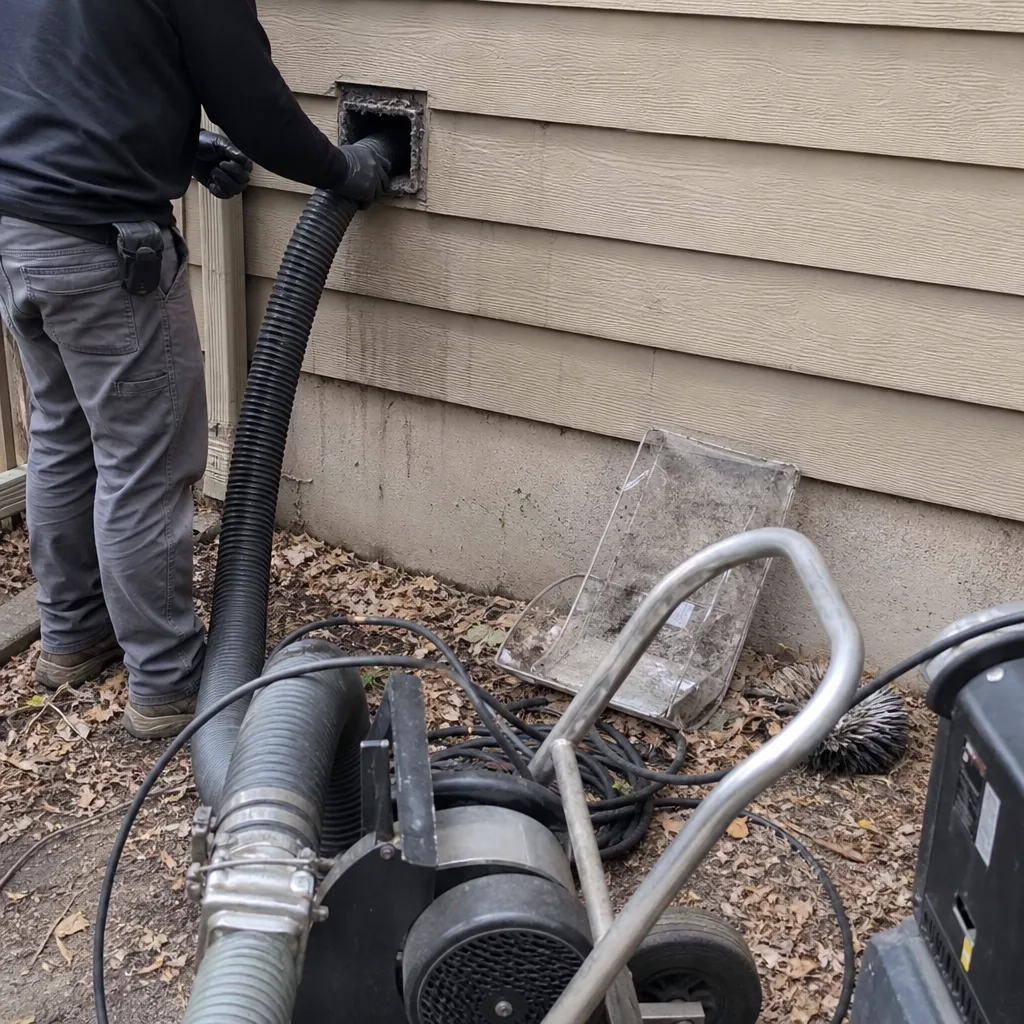 Before
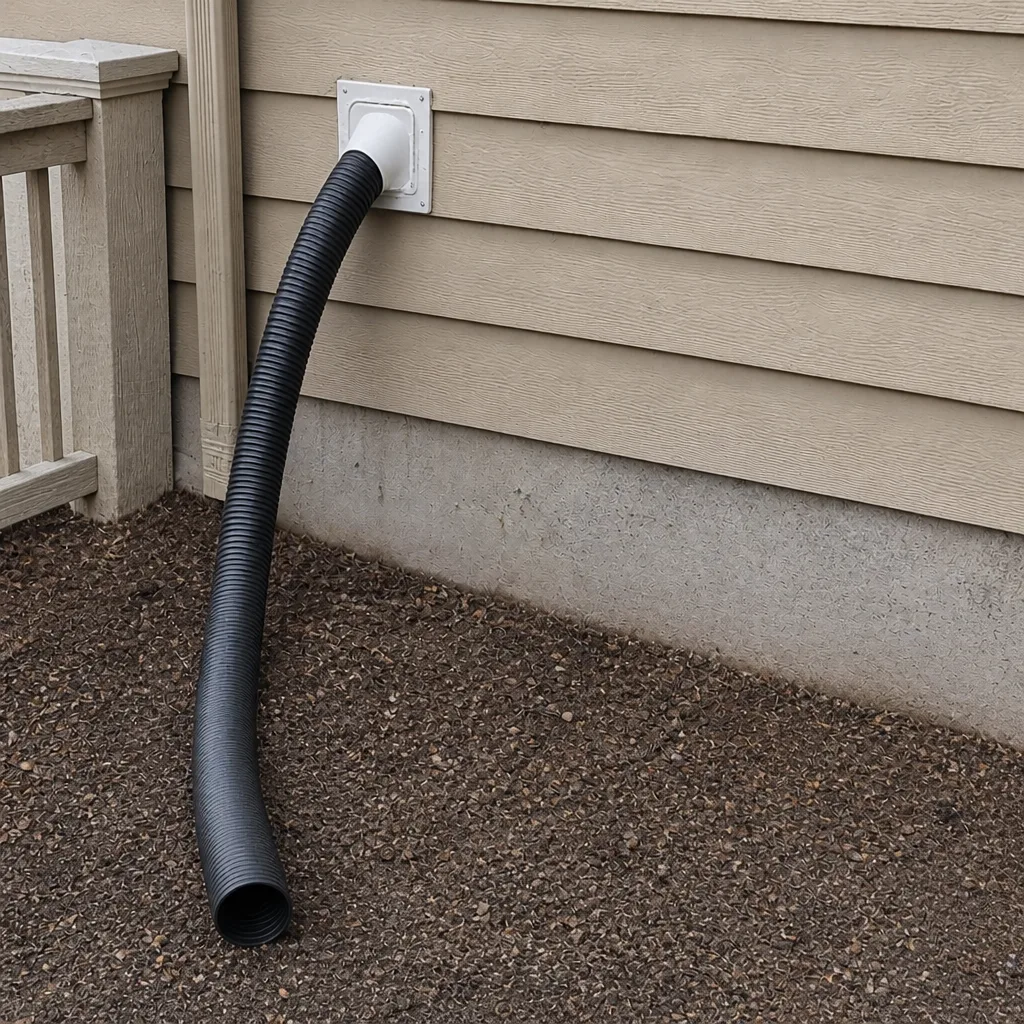 After
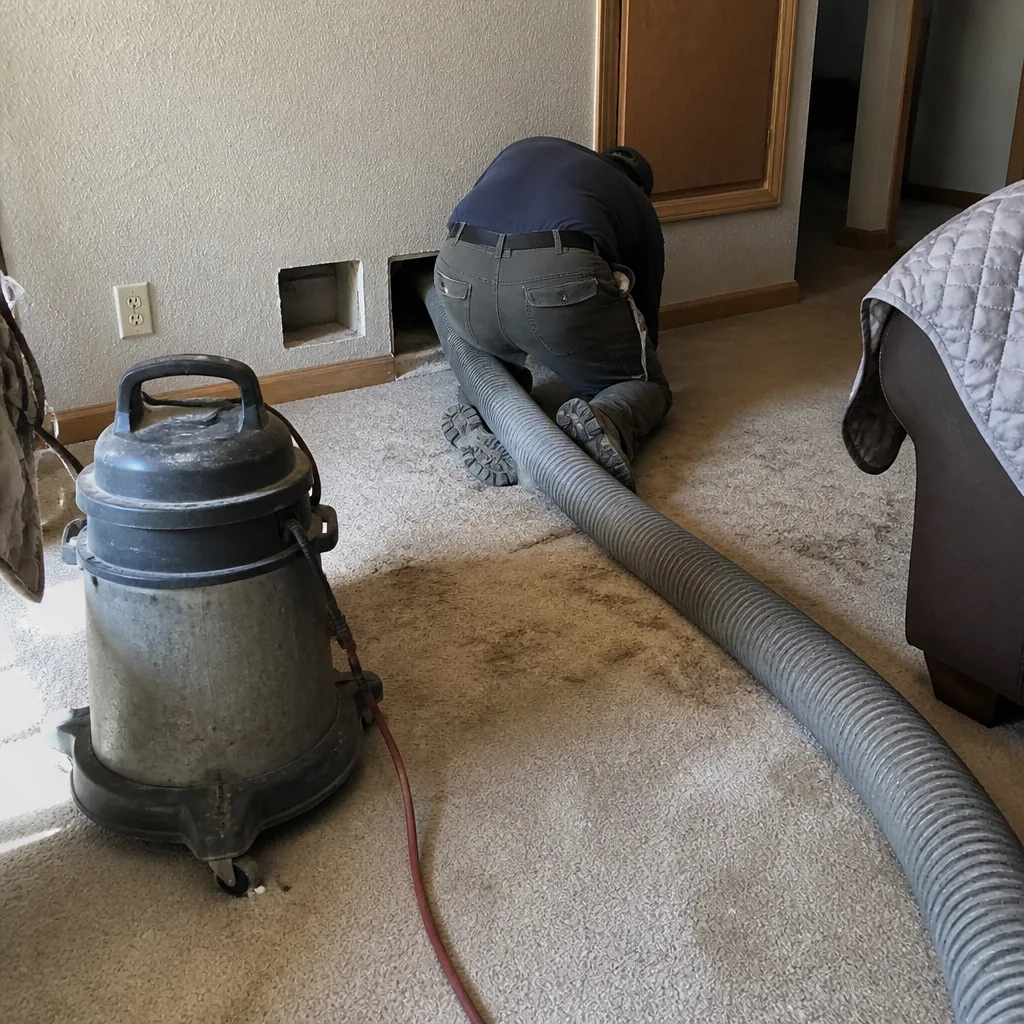 Before
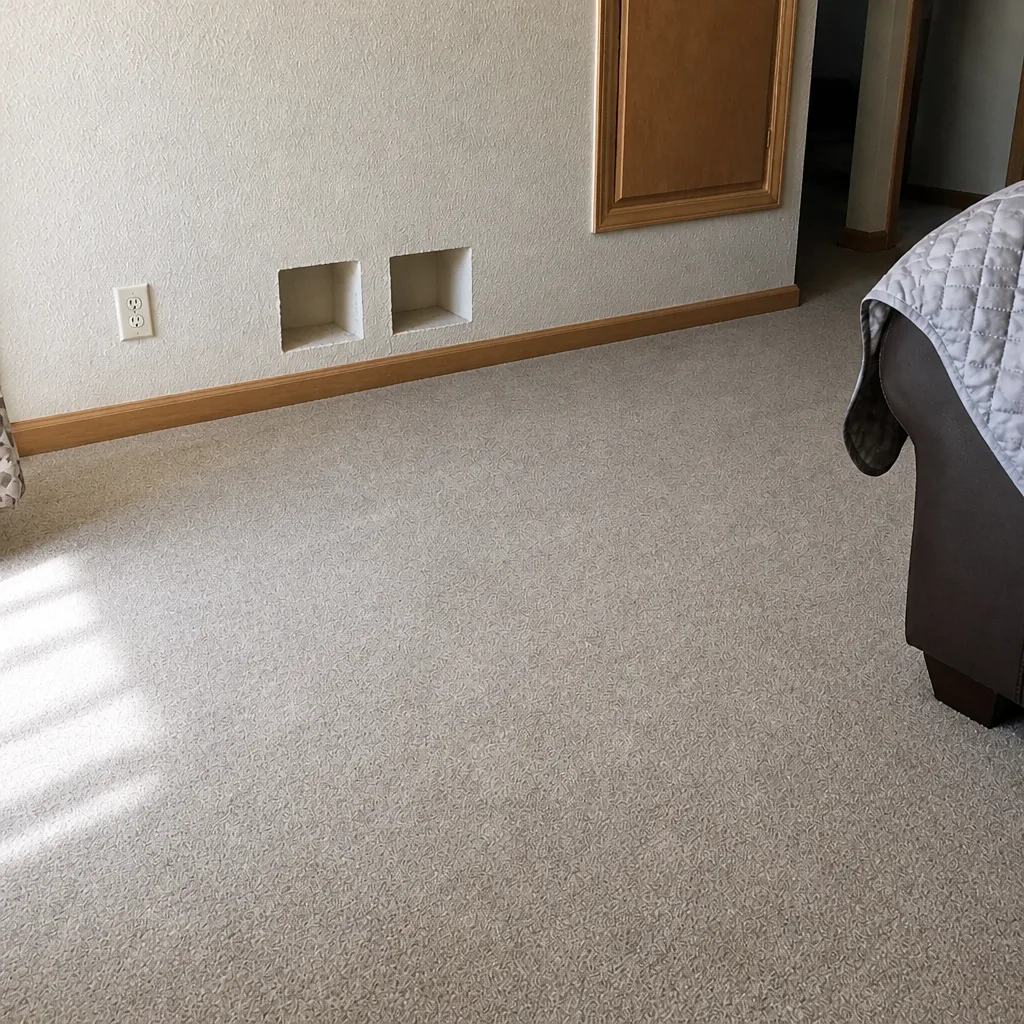 After
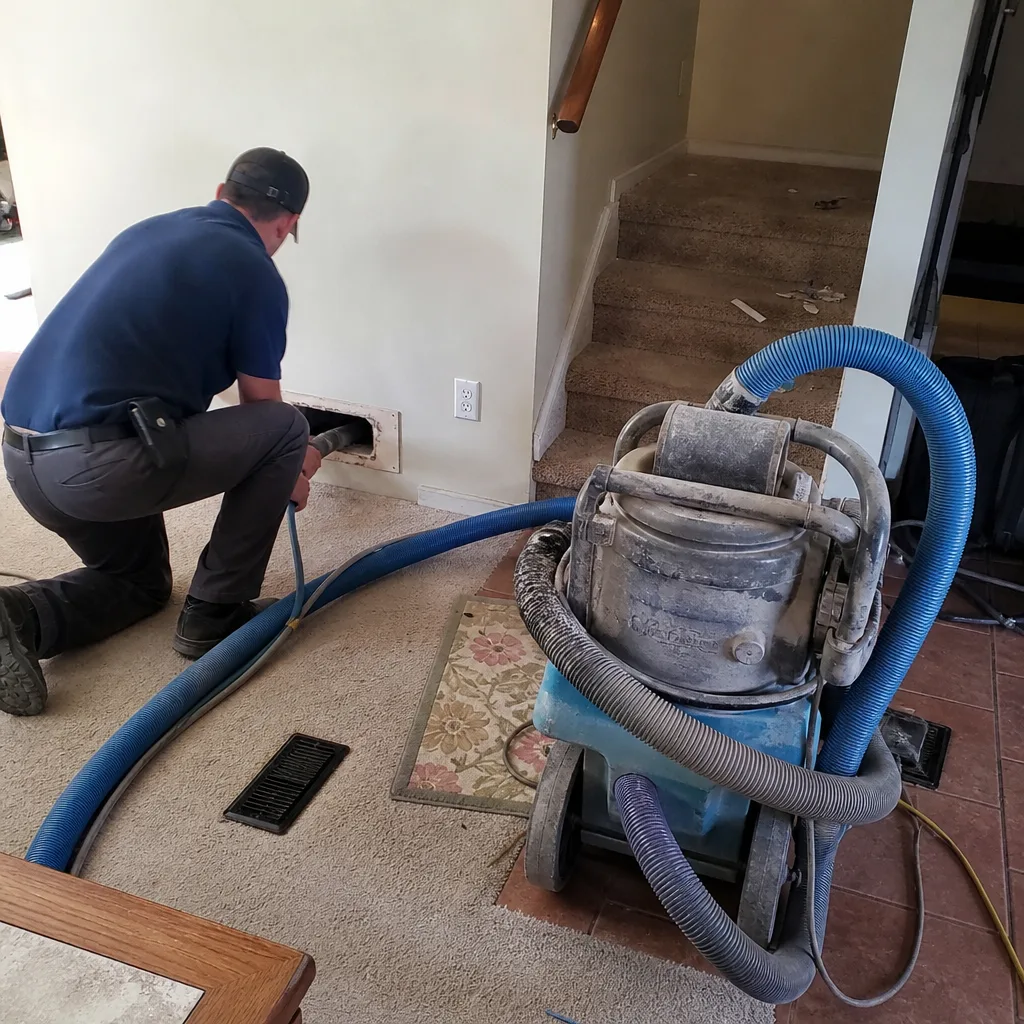 Before
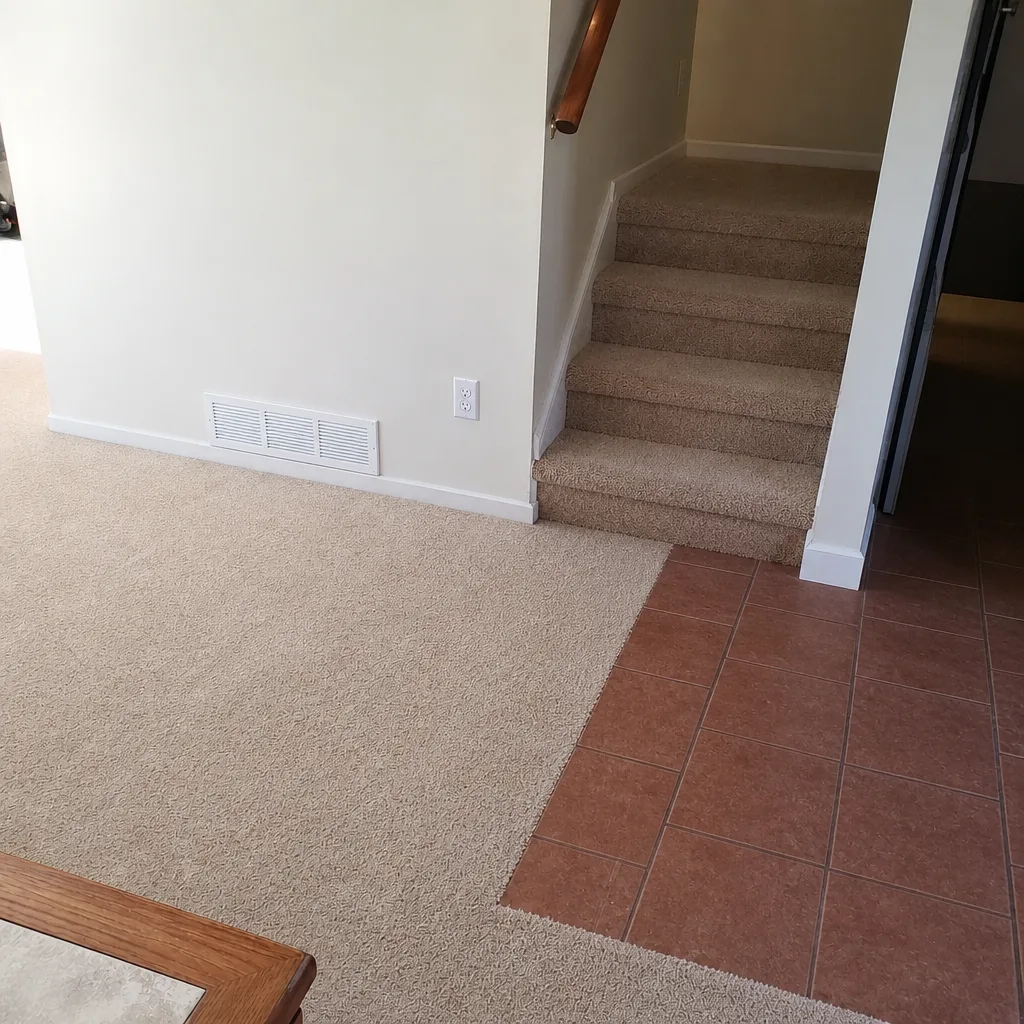 After
When to Call a Professional
Some duct conditions are worth a look from a trained technician rather than a homeowner inspection. Call if you can see mold or dark staining in the ducts or on the air handler cabinet, if there’s a musty smell that returns after you clean the room, or if you’ve found rodent droppings or nesting material near a register. Call after any water intrusion that touched the mechanical space, and call after a remodel or new construction if the ducts were open during the work. Call if anyone in the home has allergy or respiratory symptoms that ease when they’re away. And call if it’s simply been a long stretch since the last inspection and you have no idea what condition the system is in. Air Duct Cleaning Centennial offers free estimates in Centennial. Call (855) 337-2063. We answer 24/7. Fast dispatch from 7am to 7pm, Sunday through Friday.
Frequently Asked Questions
Pricing depends on the size of the system, the number of runs, and whether the job is routine cleaning or contamination-level remediation. Any quote should be one flat price per system, agreed before work begins, not a teaser figure with per-vent charges added on site. Call (855) 337-2063 for an exact quote. Estimates are free.
Cheaper quotes are usually for a smaller job than your system needs: suction only, no negative pressure, no air handler cleaning. The scope isn’t the same, so the price comparison isn’t either. Ask what equipment will be on site and what you’ll receive afterward, then compare. Call (855) 337-2063 and we’ll walk through the scope with you.
You should receive before-and-after photos of your own ducts, a written summary of what was found and cleaned, and an itemized invoice matching the price you agreed to. If a provider doesn’t offer documentation, ask why before booking. Call (855) 337-2063 for a free estimate you can hold them to.
It depends on condition, not a fixed calendar. Pets, allergies in the household, a long heating season, and heavy wildfire smoke years all shorten the interval, while a clean system with no pets and no recent construction can go longer between cleanings. Inspection is what tells you where you stand. Call (855) 337-2063 to schedule one.
Yes, in two practical ways. Lower humidity keeps fine dust airborne longer so it spreads deeper into the system, and static charge in dry air holds dust against duct walls where a register-level look won’t reveal it. Air density at 5,500 feet also changes how cleaning equipment performs, which is why contractor-grade systems matter here.
Yes. New construction leaves drywall dust, insulation fibers, and trade debris in ductwork that was open during the build. A post-construction cleaning before you move in is the easiest one your system will ever need. Call (855) 337-2063 to book it.
Yes. HVAC cleaning and dryer vent work are part of the same service menu, so the whole air pathway can be handled together rather than split across providers. Call (855) 337-2063 to arrange it.
Duct Repair & Sealing is part of what we offer, so a leak or disconnected run gets addressed rather than noted and left. Cleaning a leaking system without sealing it is a temporary result. Call (855) 337-2063 and we’ll include it in the estimate.
The Bottom Line
Duct cleaning in Centennial isn’t a one-time checkbox, and treating it like one is why so many systems underperform. Altitude, low humidity, wildfire smoke, and the demands of high-efficiency HVAC all shape how fast your ducts load up and how much the buildup costs you in air quality and equipment performance. What separates a real cleaning from a cheap one is contact cleaning under negative pressure, air handler work, verifiable photos of your own ducts, and one flat price agreed before anyone starts. Understand those four things and you can judge any quote in the market on your own.
Call (855) 337-2063 for a free estimate. We answer 24/7. Fast dispatch from 7am to 7pm, Sunday through Friday. Whether your system needs routine cleaning, post-construction attention, or a remediation-level assessment, we’ll walk the whole pathway with you and set a flat price before work starts.
Written by the team at Air Duct Cleaning Centennial.