
Last updated November 23, 2026
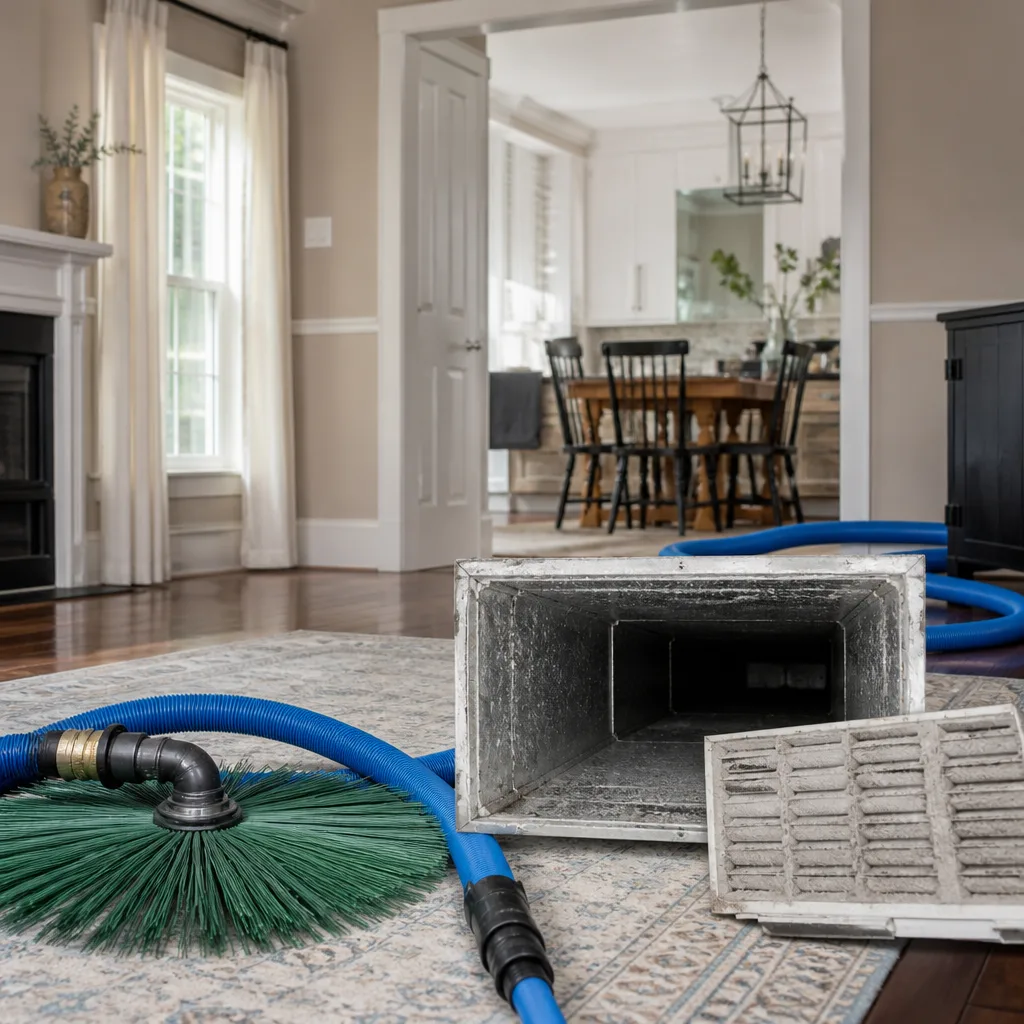 Whole-home duct cleaning
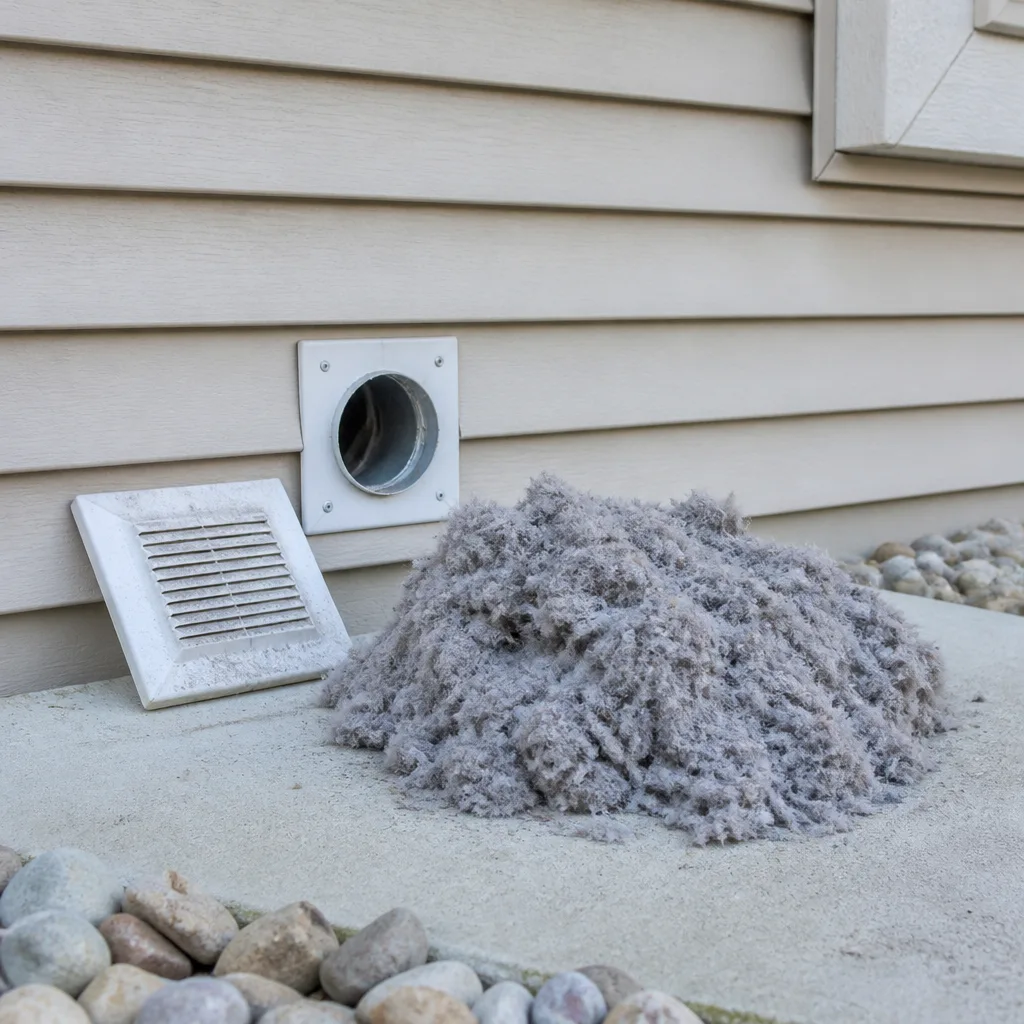 Dryer vent cleaning
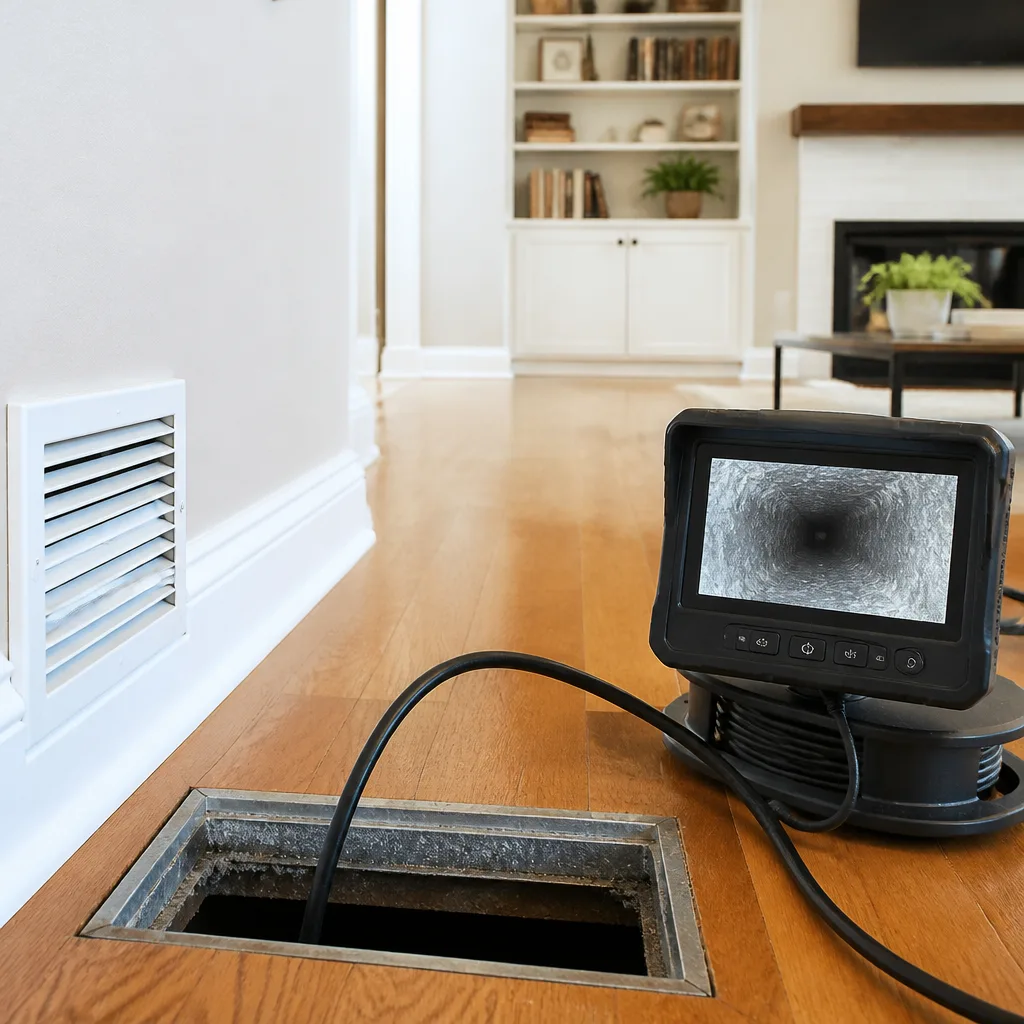 Camera inspection
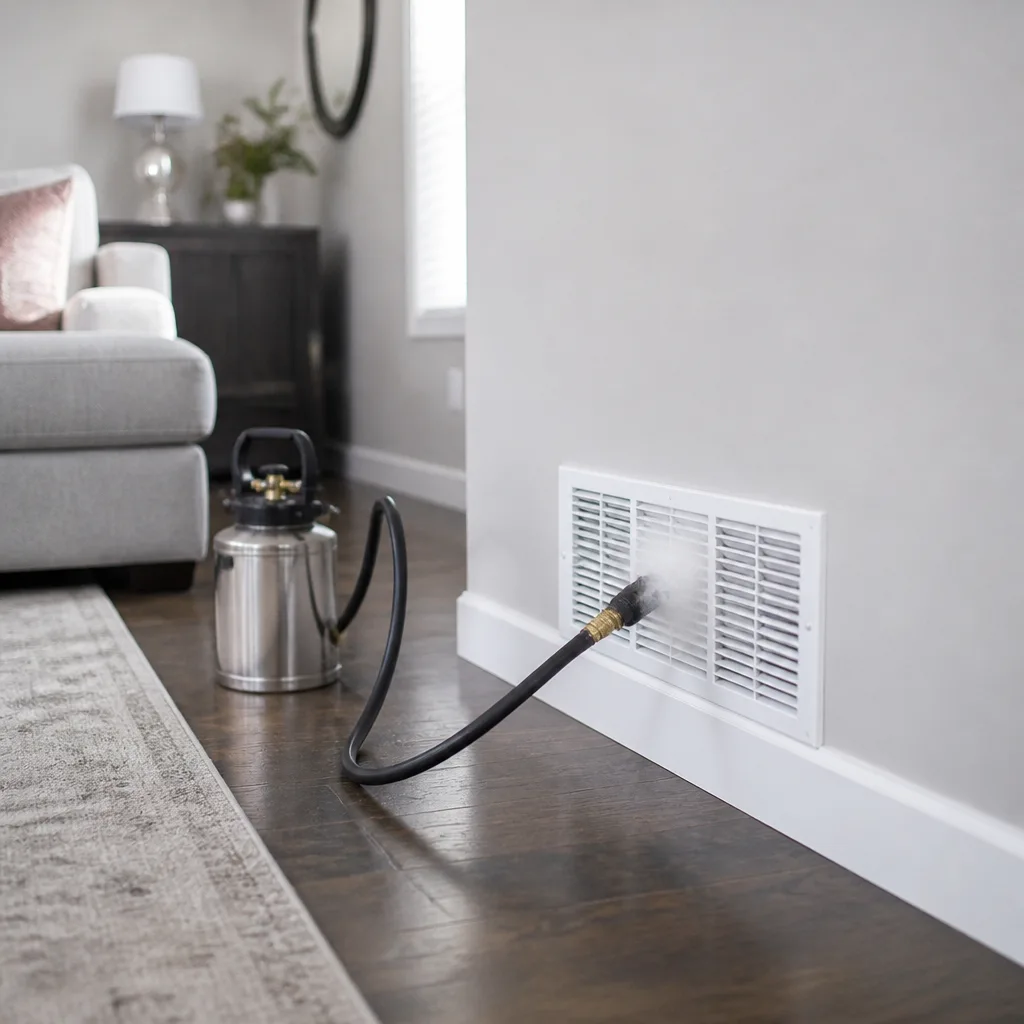 Sanitizing & deodorizing
Whole-system duct and dryer vent check with before-and-after photos - you see exactly what came out of your vents
That "$99 whole-house special" is a bait ad - the real number appears once they are in your hallway, or the "clean" is a shop-vac at the register. We photograph the inside of your ducts before and after instead.
Choosing the Right Air Duct Cleaning Brand: A Buyer’s Guide for Centennial
Here’s something worth knowing before you book: a nationally franchised duct cleaning brand operating in Centennial may use the same low-CFM portable unit as an unbranded one-truck operation down the road. The brand name on the van doesn’t determine the equipment that shows up in your driveway, and it doesn’t tell you what the technician will actually do once the machine is running. Most homeowners choose on logo recognition or coupon price, which is exactly why so many end up disappointed. This guide reframes the whole question around measurable service standards: equipment specs, certification, process, and the breadth of services a provider can genuinely handle. By the end, you’ll know what to ask.
Quick Answer
The best air duct cleaning provider in Centennial is one you can evaluate on measurable standards, not marketing: contractor-grade equipment with a high CFM rating and proper filtration, verifiable technician certifications, and a full service menu that covers repair and sanitizing, not just cleaning. Ask for equipment specifications, filtration type, and brush system before you book, and ask what happens if the inspection finds a problem the cleaning alone won’t fix. A provider that can answer those three things clearly is worth more than any familiar name.
Styles & brands we work with
- Whole-home duct cleaning
- Dryer vent cleaning
- Camera inspection
- Sanitizing & deodorizing
Table of Contents
- Why the Brand Name Tells You Less Than You Think
- What Equipment Specifications to Request Before Booking
- National Franchise vs. Local Independent: Comparing on Equal Terms
- What NADCA ASCS and CMR Certifications Actually Verify
- Why a Full-Spectrum IAQ Company Offers Different Value
- The Questions to Ask During an Estimate Call
- Red Flags That Reveal Operational Quality (or the Lack of It)
- What a Proper Duct Cleaning Visit Looks Like Start to Finish
Why the Brand Name Tells You Less Than You Think
In our experience, the single most reliable predictor of a good duct cleaning outcome is not the name on the invoice. It’s the equipment in the truck and the technician running it. Franchise systems sell consistency of signage and script, but the day-to-day service quality at any given franchise location depends on the owner, the crew, and what they chose to invest in. The same is true of independents. A well-run independent in Centennial with contractor-grade machines will outperform a poorly-run franchise every time.
What does brand recognition actually guarantee? It guarantees a recognizable logo, a standardized pricing menu, and usually a national call center. None of those things touch the inside of your ductwork. That matters especially in a market as varied as Centennial, where homes range from newer construction to older builds with decades of accumulated dust, and the correct approach is not identical from one house to the next. A company that arrives with a fixed script and a fixed price is one that has already decided what your ducts need before looking at them.
There’s a practical reason this gap persists. Duct cleaning is a low-barrier trade to enter. Consumer-grade machines are inexpensive, training is not universally enforced, and the customer can’t easily see the work being done. That combination invites shortcuts. The companies worth hiring are the ones that close that information gap deliberately: they show you the equipment, they walk you through the process, and they shoot before-and-after photos of your own ducts, not a generic stock image.
- Brand name indicates marketing spend, not equipment quality.
- National call center does not indicate local technician competency.
- Standardized pricing does not indicate a standardized method.
- Visible equipment and verifiable process are what actually predict results.
Centennial homeowners who understand this distinction gain real leverage during the estimate call. You’re not choosing between two logos. You’re choosing between two sets of equipment and two technicians, and only one of those choices has any bearing on what comes out of your ducts.
What Equipment Specifications to Request Before Booking
A legitimate provider can tell you, without hesitation, the CFM rating of their vacuum unit, the filtration type they use, and the brush system they deploy. If a company can’t answer those three questions, that alone tells you something. CFM, or cubic feet per minute, measures how much air the vacuum moves; too little and loosened debris settles back into the ducts before it’s captured. Professional-grade systems such as Rotobrush and Nikro are designed for this specific work and are the same systems trusted by commercial contractors.
Filtration type determines whether the particles your cleaning dislodges end up captured in a HEPA-grade filter or exhausted into the room you’re standing in. That distinction matters for anyone with allergies or respiratory sensitivity, which is a large share of the homeowners calling us in Centennial. The brush system matters too: soft bristle heads protect duct lining, while aggressive or improper brushes can tear flex duct or dislodge insulation that then circulates. Ask which type they use and whether they inspect duct interior condition before brushing.
- Ask for the CFM rating. A contractor-grade vacuum moves substantially more air than a portable consumer unit. If they don’t know the number, they don’t know their equipment.
- Ask about filtration. HEPA-grade filtration captures fine particulate. “High-efficiency” without specifics is not an answer.
- Ask about the brush system. Soft bristle heads for flex duct, appropriate heads for rigid metal. A single brush for every situation is a warning sign.
- Ask what happens with the access points. Proper cleaning requires cutting access holes and sealing them afterward. A company that plans to work only through existing vents will miss a large portion of the system.
- Ask whether they take before-and-after photos of your specific ducts. This is your proof the work happened.
For a deeper walk through what the cleaning process itself involves, see our guide to air duct cleaning. The equipment discussion above is the filter you apply before you ever reach that stage.
National Franchise vs. Local Independent: Comparing on Equal Terms
Strip away the signage and the comparison becomes manageable. A franchise location and an independent company both have trucks, both have technicians, and both charge for a service. The variables that matter are the same for each: equipment grade, technician experience, service breadth, and willingness to show you the before-and-after. Compare those four and the question of brand resolves itself.
A national franchise typically offers these advantages: a recognizable name, a national customer service line, and a certain consistency of process across locations. It also carries potential disadvantages: franchisees vary widely in equipment investment, pricing can be driven by national programs rather than local conditions, and the technician assigned to your home may have limited tenure. An independent Centennial company can be excellent or poor, exactly like a franchise, but you can evaluate it directly without layers of corporate separation.
- Equipment grade: Ask both the same question and compare answers. Franchise status does not determine whether the truck carries Rotobrush or a consumer unit.
- Technician tenure: The only legitimate experience claim reflects individual technician experience. A franchise with high turnover may have a less experienced crew than a local independent with stable staffing.
- Service breadth: A franchise that markets only duct cleaning offers less than an independent that also handles dryer vent cleaning, HVAC cleaning, and repair. For a home with complex needs, one provider covering the full air pathway is simpler and often more thorough.
- Local responsiveness: An independent rooted in the area has practical advantages on scheduling and follow-up.
Our own approach is to invite the comparison directly. We use contractor-grade Rotobrush and Nikro systems, we’re equipped with Abatement Technologies tools for serious air quality scenarios, and we offer duct repair and sealing alongside cleaning. None of that is a claim about our brand. It’s a description of what’s on the job, and you can ask any company you’re considering to describe theirs the same way. Our Air Duct Cleaning Centennial page lays out our full approach.
What NADCA ASCS and CMR Certifications Actually Verify
NADCA ASCS stands for Air Systems Cleaning Specialist, a credential from the National Air Duct Cleaners Association. It verifies that the individual has completed coursework and examination on duct system cleaning standards, including the association’s ACR standard. CMR, Certified Mold Remediator, is a separate credential focused on mold remediation methodology. Neither certification is a license, and neither is universally required. What they do verify is that a specific technician has been trained on recognized industry standards and tested on them.
Why does that distinction matter in Centennial? Because the housing stock here is varied enough that a one-size approach doesn’t work. Homes built in different decades have different duct configurations, different materials, and different typical accumulation patterns. A technician with formal training is more likely to recognize the difference between ordinary dust buildup and something that warrants remediation-level care, and more likely to know when to stop and escalate rather than push forward. For homes with a history of water intrusion or visible mold growth near vents, mold remediation credentials matter specifically.
What certifications do not verify is the equipment. A certified technician operating a weak vacuum is still a certified technician running weak equipment. The two criteria are complementary, not interchangeable: certification speaks to judgment and process, equipment speaks to capability. Evaluate both. When you call for an estimate, ask which certifications the technician assigned to your job holds, and ask whether the certification covers the type of work you’re requesting. A conversation about credentials is a fair one.
Why a Full-Spectrum IAQ Company Offers Different Value
A single-service duct cleaner solves one problem: dust inside the ducts. A full-spectrum indoor air quality company addresses the entire air pathway. That difference becomes meaningful the moment your home has a more complicated issue than surface dust. If the ducts have been contaminated by poor filtration over years, if there’s mold or moisture intrusion, if the dryer vent is laden with lint, or if the HVAC unit itself is contributing to air loss, a cleaner who can only clean will clean around the problem without ever fixing it.
What does a full-spectrum provider actually cover? Five services working together: duct cleaning, dryer vent cleaning, HVAC cleaning, duct repair and sealing, and air quality sanitizing. That breadth means one team can diagnose the root cause across the whole system rather than treating the symptom in one part. Duct repair and sealing is the specific service most single-service cleaners leave out, and it’s often the one that matters most when air loss is the underlying problem. Cleaning a system that leaks is like cleaning a room with the windows open.
- Root cause diagnosis: A company covering the full pathway can identify where contamination is entering, not just remove what’s already there.
- Duct repair and sealing: Structural problems that cause air loss get fixed, not cleaned around.
- Whole-home filtration integration: Capability with Honeywell and Aprilaire equipment connects cleaning to proper filtration.
- Sanitizing: Post-cleaning sanitizing protects against what the cleaning stirred loose.
Homes in Centennial with a history of allergy complaints, multiple pets, recent renovation dust, or a system that hasn’t been serviced in many years tend to benefit from the full-spectrum approach. It’s not that a single-service cleaner is always wrong. It’s that the full-spectrum provider can offer you a complete picture and let you decide what you actually need.
The Questions to Ask During an Estimate Call
The estimate call is the best interview opportunity you’ll have. A company’s response to a few direct, technical questions reveals more about operational quality than any review site. Ask these and listen carefully to the answers: not just the content, but whether the answers are specific. Vagueness on equipment and process is the single most reliable warning sign. You’re entitled to clarity before anyone sets foot in your attic.
- “What equipment are you bringing?” Look for a named system such as Rotobrush or Nikro, or a specific CFM rating. “Professional truck-mounted equipment” without detail is a non-answer.
- “What filtration do you use, and are you exhausting into the room or capturing?” HEPA-grade filtration that captures dust rather than blowing it back into the living space is the standard.
- “Will you take before-and-after photos of my specific system?” This is the accountability question. A provider whose answer is “yes, of course” is one to trust.
- “What’s the price and what’s included?” Ask for one flat price per system, not a per-vent quote. If the answer is per vent, that’s a sign the price can escalate once they’re on site.
- “What happens if you find a problem that cleaning won’t fix?” A full-spectrum provider has a next step. A single-service cleaner does not.
- “Who actually does the work, and what training do they hold?” Ask about NADCA ASCS or CMR credentials, and ask what equipment experience they have.
One more question worth asking: “Can you describe the typical Centennial homes you work in and how you adjust?” A company that has worked extensively in this market will talk about the typical conditions here. A generic answer to a specific question tells you the process is one-size-fits-all. Our Air Duct Cleaning Centennial team has technicians with up to 11 years of experience, and we’re happy to answer every one of these questions before you book.
Red Flags That Reveal Operational Quality (or the Lack of It)
The signs of a weak operation show up early if you know what to look for. Most of them are variations on the same theme: the company wants to avoid showing you the specifics. Recognizable red flags include an unwillingness to name equipment, an inability to answer process questions, and the pattern of a low teaser price that grows once the technician is in the house. That last one is exactly the industry’s biggest trust problem right now.
What makes the bait-and-switch so common? Cleaning a home’s duct system properly takes time and equipment that carries real cost. A company that quotes an unrealistically low number can’t deliver that standard at that price, so it has two options: do a partial job or find ways to add charges once it has your house as leverage. The companies worth your time price against what the work actually requires and tell you it up front.
- Claims one technician will clean the entire system in under an hour. Proper cleaning of a whole-house system rarely happens that quickly.
- Quotes a flat low number before looking at anything. A real estimate involves seeing the system or at least asking detailed questions.
- Prices per vent with no whole-system option. This structure encourages add-ons and obscures the real cost.
- Can’t or won’t take before-and-after photos. If they can’t show you what they did, they may not have done it.
- Pushes sanitizing before cleaning. Sanitizing a duct full of debris is putting a coating on a problem, not fixing it.
- Offers “free inspection” with a long list of urgent problems on arrival. A real inspection identifies issues calmly and shows you the evidence.
- Won’t state a full flat price in writing. Any legitimate provider will put the agreed price in writing before starting.
What a Proper Duct Cleaning Visit Looks Like Start to Finish
A professional visit follows a clear sequence, and knowing it lets you recognize when a visit is being cut short. The right sequence starts before the equipment is switched on: the technician inspects the system, identifies access points, and confirms the scope with you. If the inspection turns up something the cleaning won’t fix, such as a disconnected duct or damaged seal, that gets raised before the cleaning, not after, so the scope and price are agreed while you can still make a decision.
- Inspection and access. The technician walks the system, identifies where to cut access points, and seals them afterward. Work only through existing vents means large sections get skipped.
- Vacuum connection. A high-CFM vacuum on contractor-grade equipment attaches to the main trunk, creating negative pressure to pull debris out.
- Brushing and agitation. The brush system advances through the ducts, loosening debris so the vacuum can capture it. The correct brush head protects the duct material.
- HVAC unit cleaning where in scope. The blower, coil, and drain pan may be cleaned as part of the full pathway service.
- Sanitizing (where appropriate). Guardsman-grade sanitizing protects what the cleaning exposed, applied as a post-cleaning treatment, not before.
- Repair and sealing if needed. Loose joints, torn flex duct, disconnected sections, and gaps get sealed so the cleaning holds. This is where a full-spectrum provider separates from a cleaning-only service.
- Verification and photos. Before-and-after photos of your system, shown to you, are the proof the work was done and the system was left in better condition than it was found.
The full-service model also folds in filtration. Honeywell and Aprilaire equipment is properly serviced as part of the visit rather than left as an afterthought. And for homes that need a higher level of protection, Abatement Technologies equipment capability means the company can handle contamination-level scenarios rather than referring them out.
Common Mistakes to Avoid
- Choosing on the coupon price. A low teaser price is usually a way to get into the house and add charges on site. Compare whole-system flat prices and what each includes.
- Asking only “how much” and never “how.” How the cleaning will be done tells you far more than how much it will cost. Ask for CFM, filtration, and brush system every time.
- Assuming franchise name equals consistent quality. The location you call may or may not invest in professional-grade equipment. The brand guarantees the sign, not the process.
- Skipping the repair conversation. Cleaning ducts without addressing leaks and disconnected joints means air loss returns. In Centennial homes with older ductwork, this is common.
- Not asking for before-and-after photos. A provider that won’t show you the work may not have done it. This one question prevents most of the regret homeowners describe.
- Treating dryer vent cleaning as separate and optional. It’s part of the same air pathway, and a full-service provider should be able to address it in the same visit.
- Believing “we can do it in under an hour.” Proper cleaning of a house’s full duct system is careful work. Speed as a selling point is a sign that scope is being cut.
See the difference
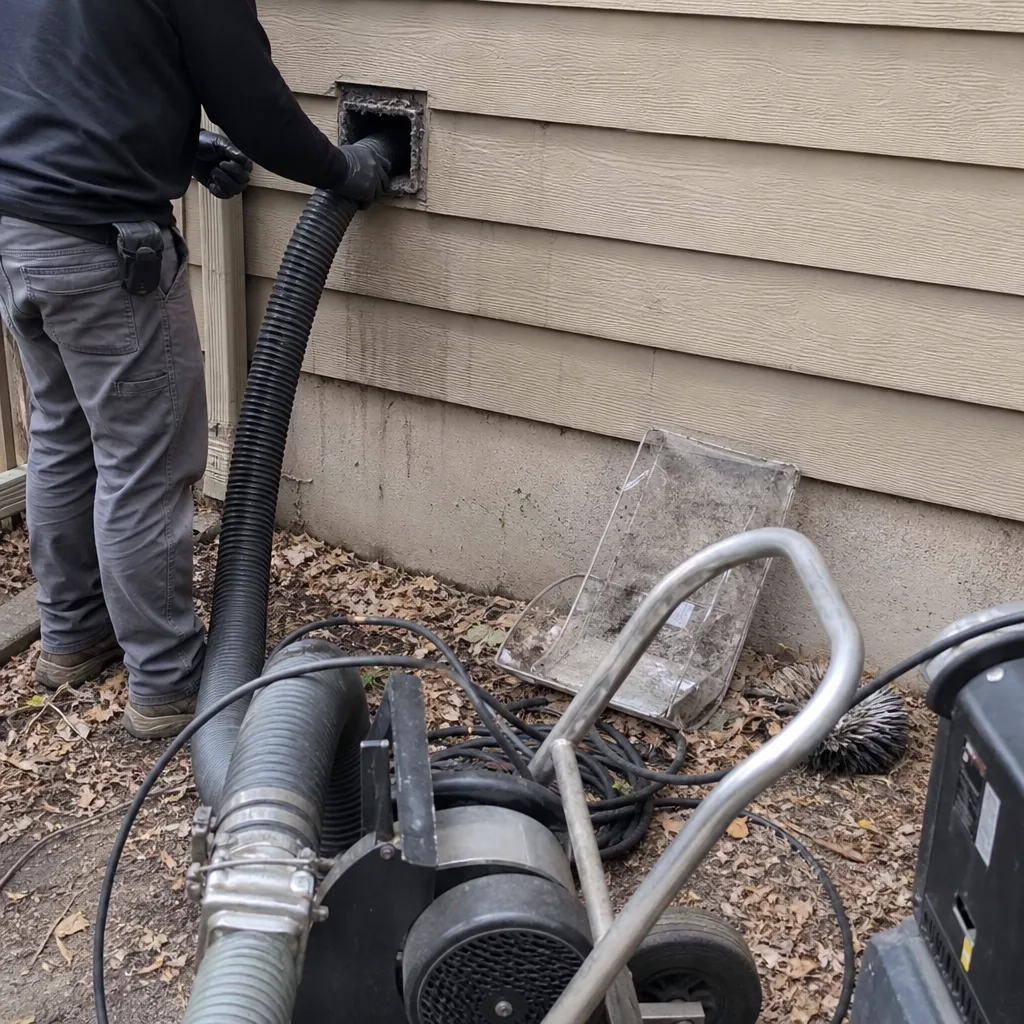 Before
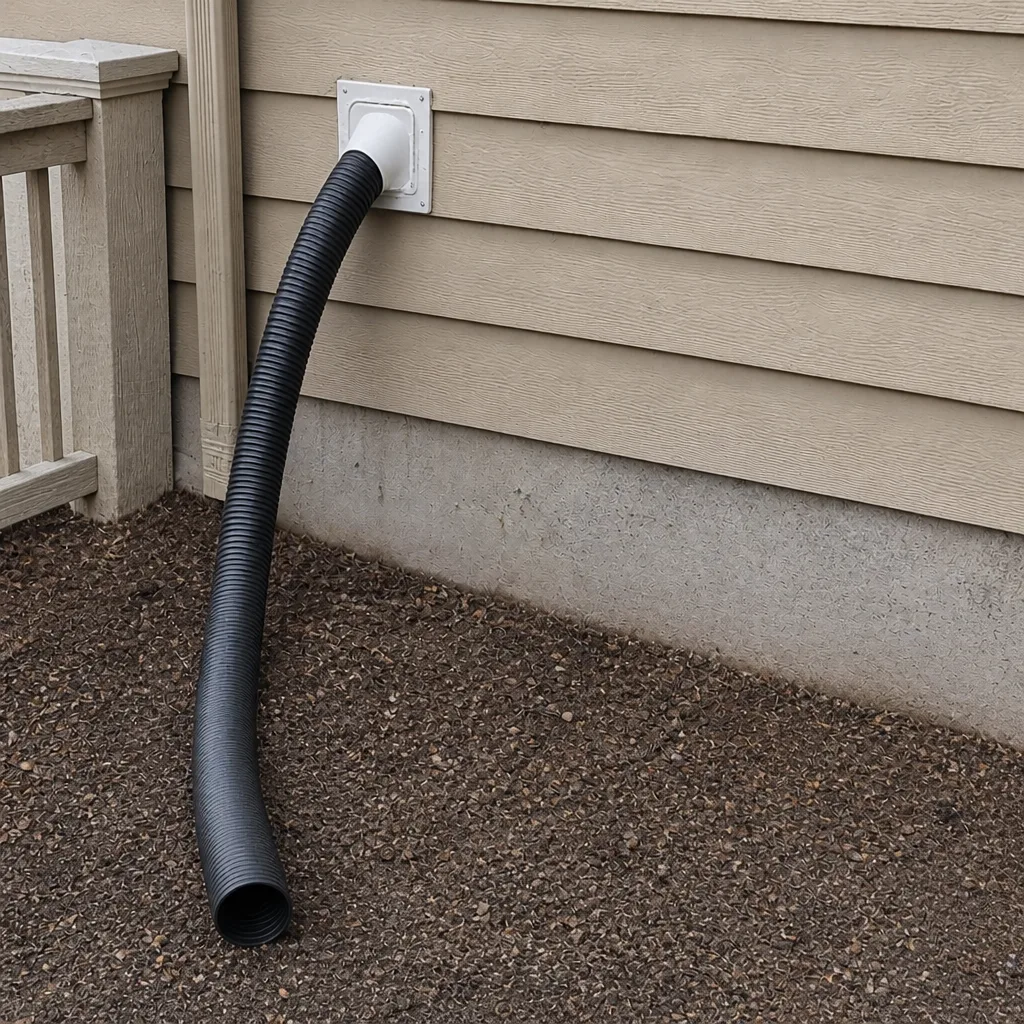 After
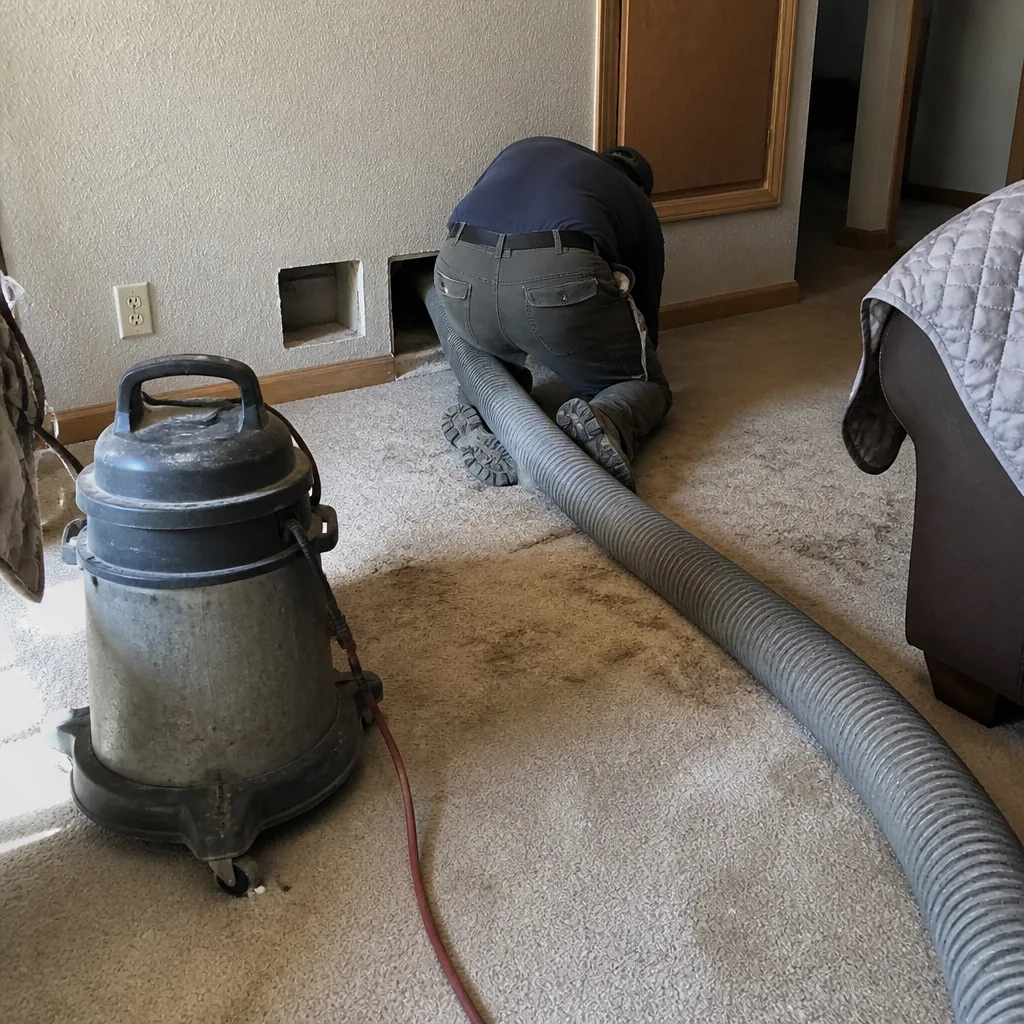 Before
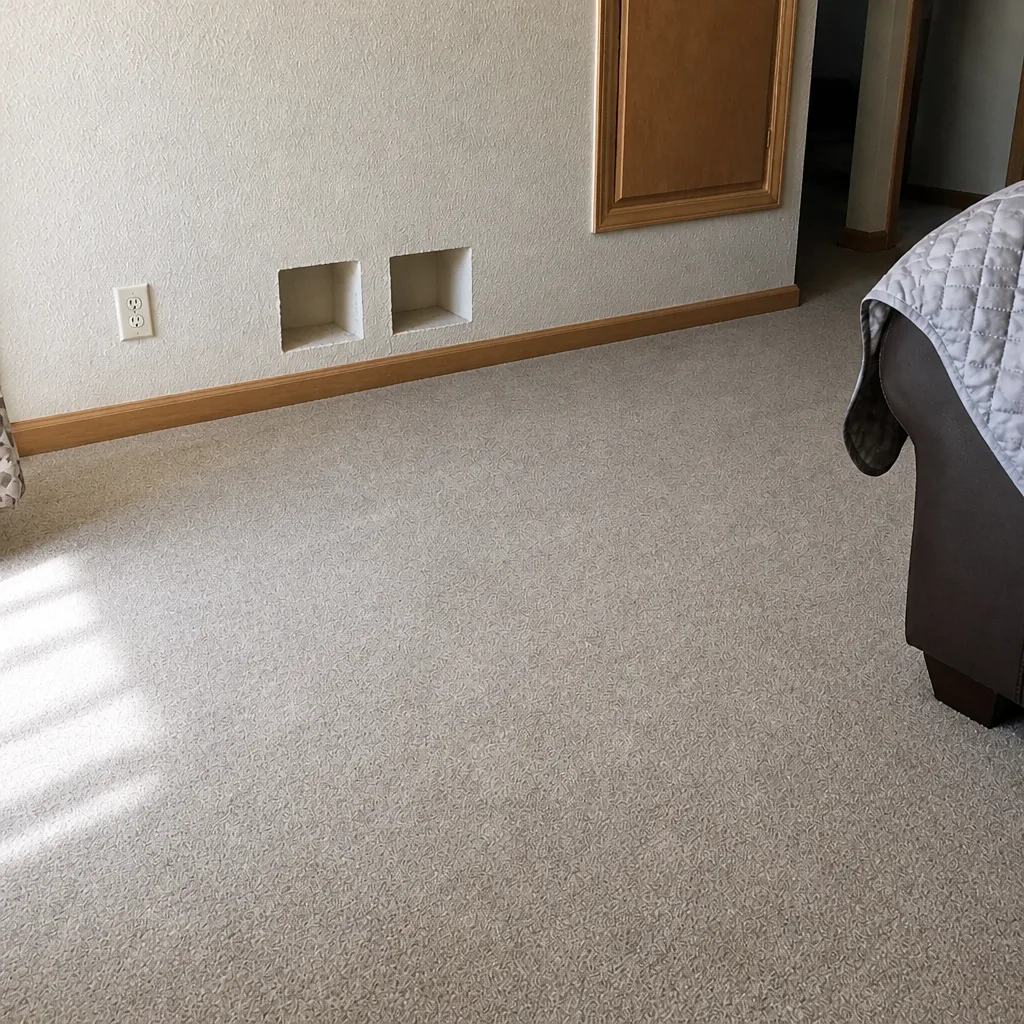 After
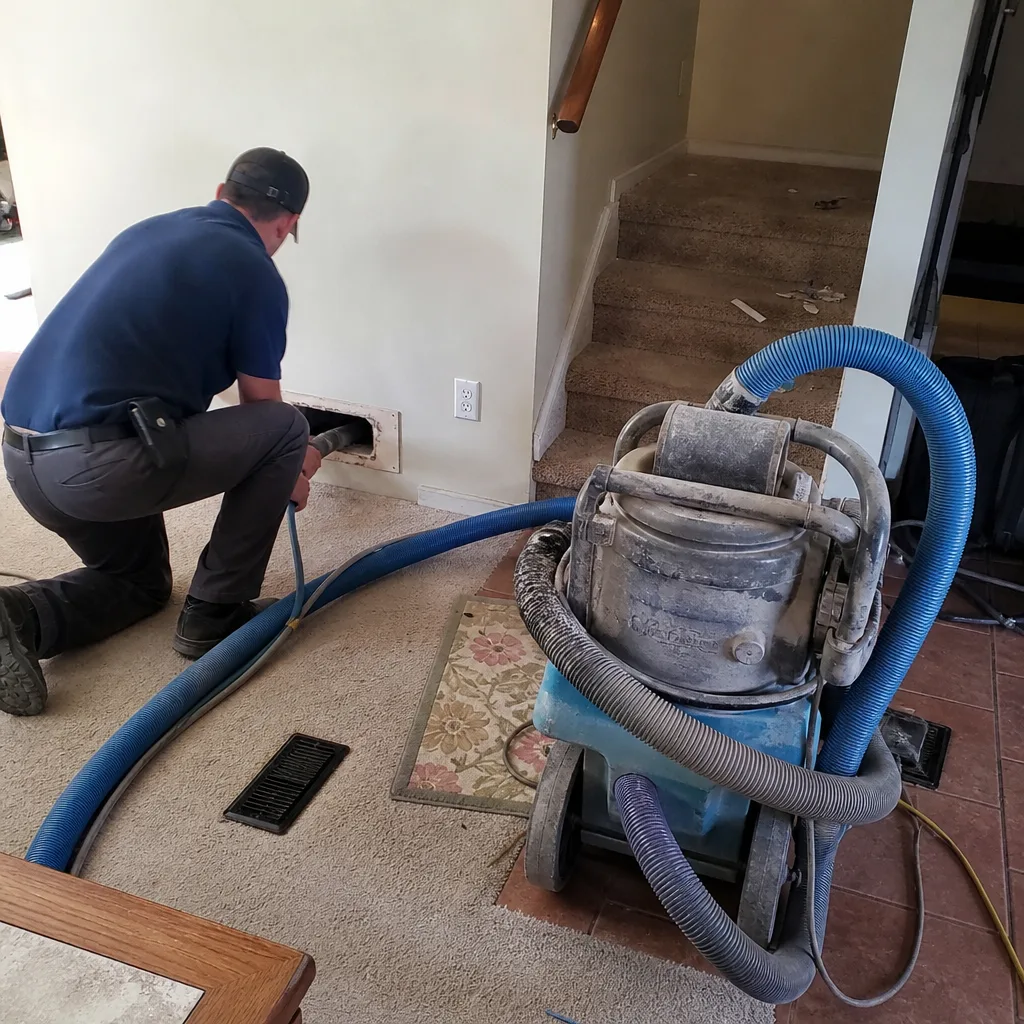 Before
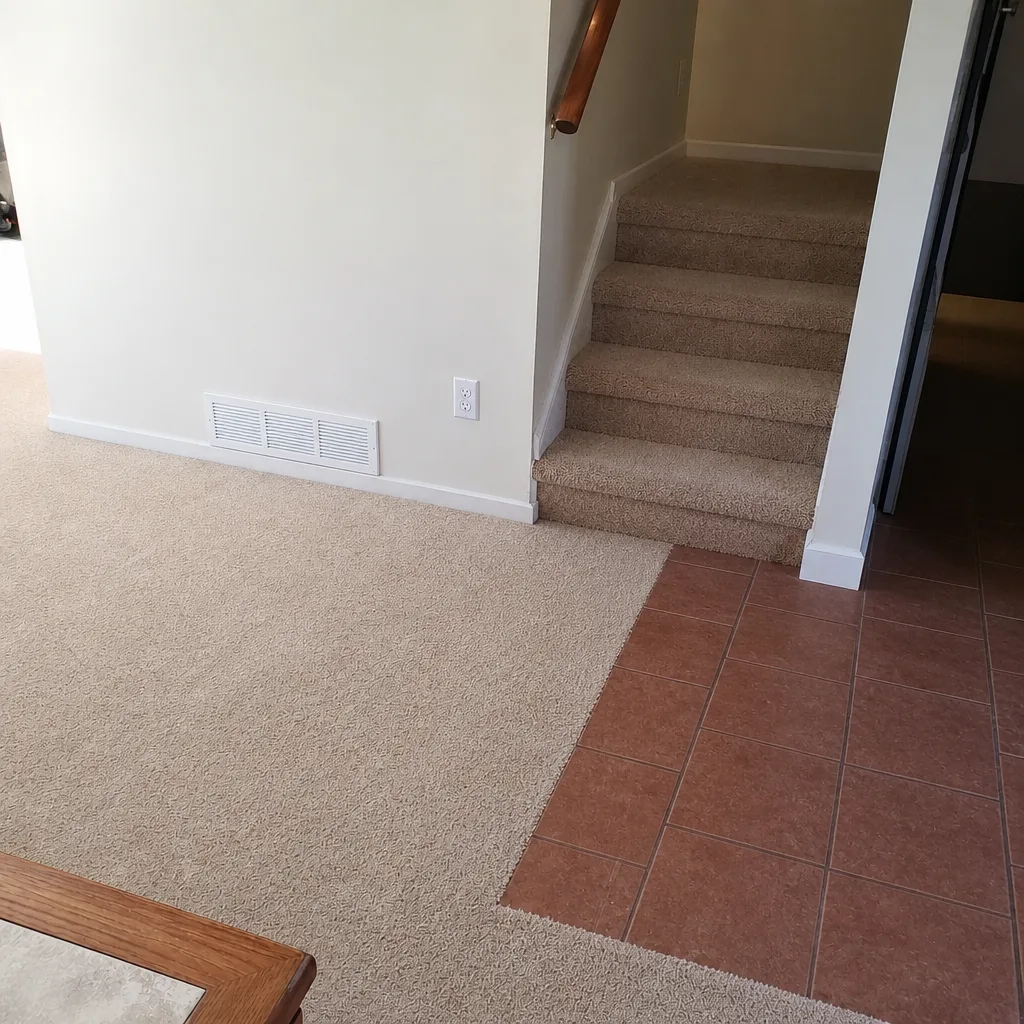 After
When to Call a Professional
Some situations clearly warrant professional duct cleaning rather than a delay. If you’ve recently finished a major renovation, if you’ve noticed visible dust accumulation around vents or on furniture within days of cleaning, if you have persistent allergy symptoms that worsen indoors, if your HVAC system has been running for many years without a cleaning, or if you’ve had moisture intrusion near ductwork, it’s time to call. A visible mold smell or growth near the vents is a reason to call without delay, and a dryer vent that takes longer than usual to dry a load of laundry is another.
Air Duct Cleaning Centennial offers free estimates in Centennial. Call (855) 337-2063 to schedule. Our technicians have up to 11 years of experience, and we’ll walk you through the equipment and the process before anyone touches your system.
Frequently Asked Questions
Most whole-home duct cleaning in Centennial runs within a range that depends on system size, accessibility, and whether repair or sanitizing is included. We quote one flat price per system, agreed before work starts, and never price per vent. A low teaser price that grows after the technician arrives usually means the scope wasn’t clear up front. Call (855) 337-2063 for an exact quote. Estimates are free.
Cheap quotes are usually low because the scope is smaller than it appears: fewer access points, weaker equipment, or a price that will grow with add-ons on site. The company has to make the visit profitable somehow. Ask for the CFM, filtration type, and brush system behind the quote and the difference becomes clear. Call (855) 337-2063 for a full explanation of what’s actually included.
Ask for before-and-after photos of your specific ducts, not a stock image. A provider who takes them without being asked is one operating a process. A provider who won’t or can’t is one to be cautious about. We take photos as a standard part of every visit. Call (855) 337-2063 to learn more about what a visit looks like.
Most homes don’t need it on a fixed schedule; the right interval depends on household conditions. Homes with pets, allergy-sensitive occupants, recent renovation, or a system that has run unattended for many years tend to benefit from more frequent attention. A home with none of those factors can go longer. The best answer is a proper inspection, not a calendar. Call (855) 337-2063 to talk through your situation.
Contractor-grade equipment on the level of Rotobrush or Nikro, with a high CFM rating and HEPA-grade filtration. Consumer or entry-level machines don’t move enough air or capture enough fine particulate. Ask what the company brings and whether they can name the system. If they can’t, that’s your answer.
A duct cleaner removes debris from ducts. A full-spectrum IAQ company addresses the whole air pathway: cleaning, dryer vent work, HVAC unit cleaning, duct repair and sealing, and air quality sanitizing. For homes with a complex contamination history, the full-spectrum company can fix the cause rather than cleaning around it. Call (855) 337-2063 to discuss which approach fits your home.
The Bottom Line
The right air duct cleaning brand in Centennial is the one you can evaluate on measurable standards. Ask for the CFM rating, filtration type, and brush system. Ask what certifications the technician holds. Ask whether the company offers duct repair and sealing alongside cleaning, and whether they’ll show you before-and-after photos of your own ducts. A company that answers these questions clearly is one worth hiring, regardless of whether its name is national or local. The brand on the van doesn’t determine the equipment, so make sure you do before you book. We use contractor-grade Rotobrush and Nikro systems and a full five-service menu because those are the things that predict a result.
Contact
If you’re ready to move past guesswork, call Air Duct Cleaning Centennial at (855) 337-2063 for a free estimate. We answer 24/7. Fast dispatch from 7am to 7pm, Sunday through Friday. We’ll tell you exactly what equipment we’re bringing, what the process will look like, and what the flat price per system will be before any work begins.
Written by the team at Air Duct Cleaning Centennial.