
Last updated November 23, 2026
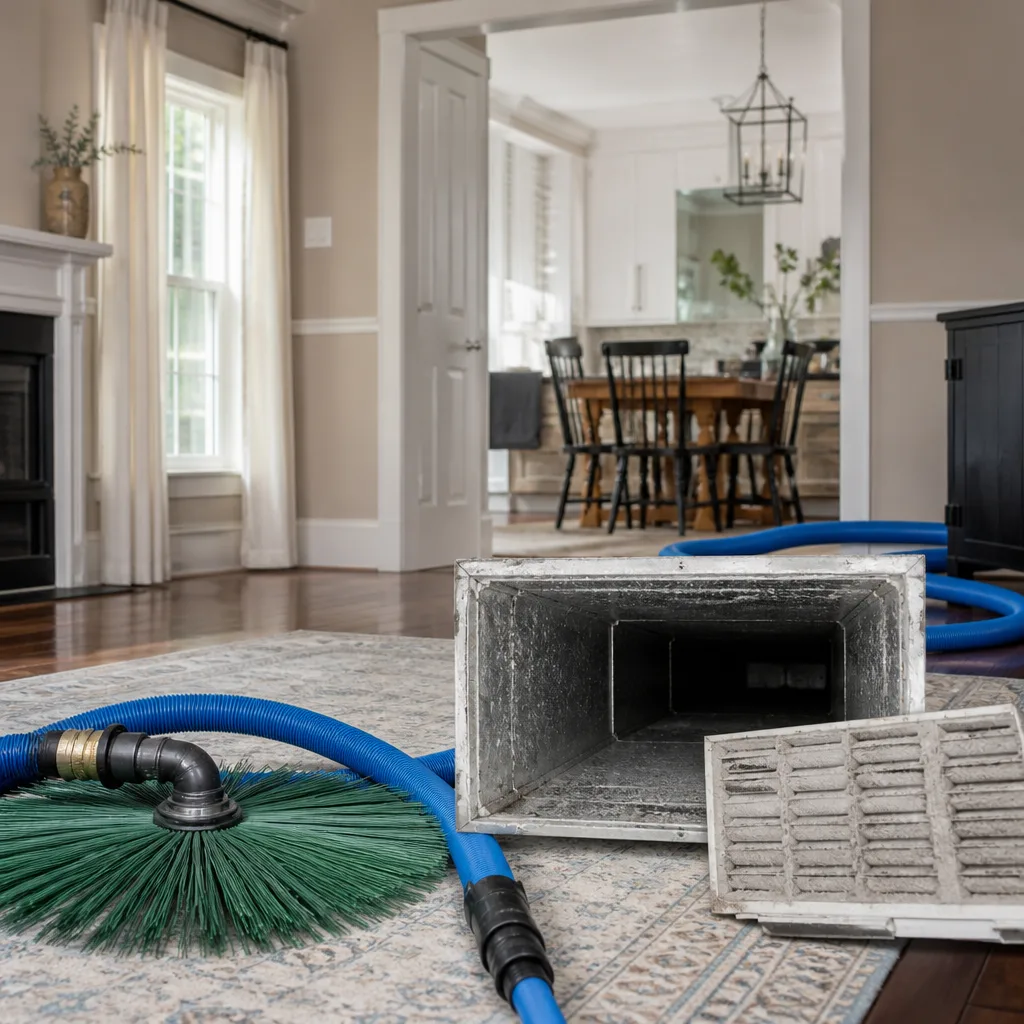 Whole-home duct cleaning
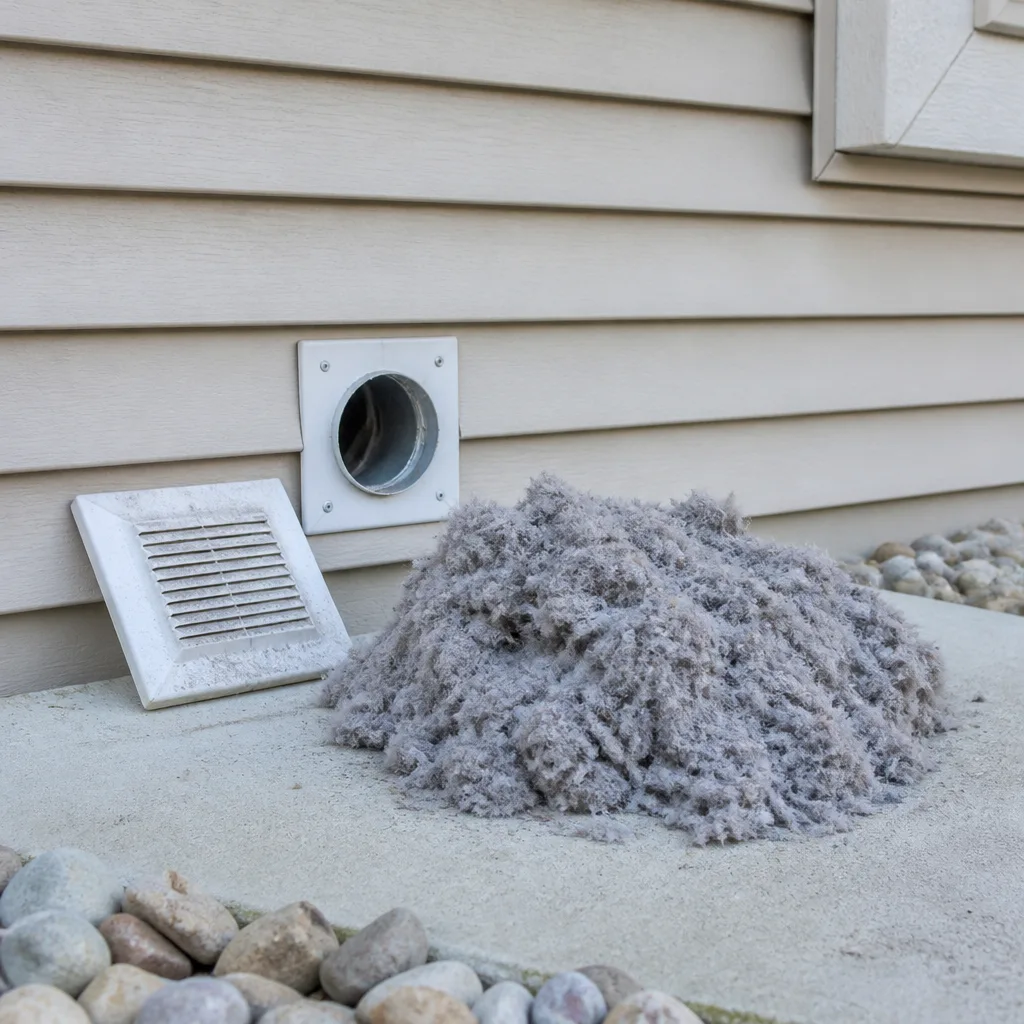 Dryer vent cleaning
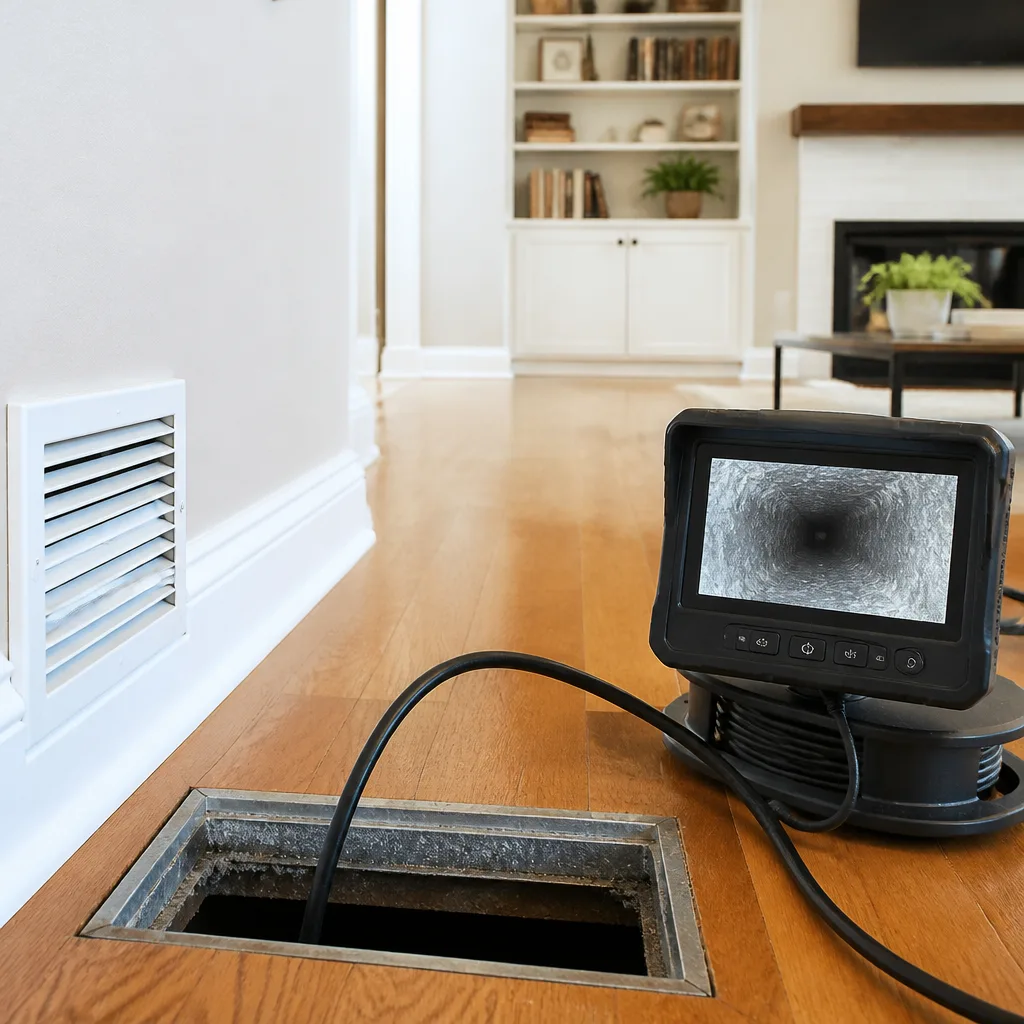 Camera inspection
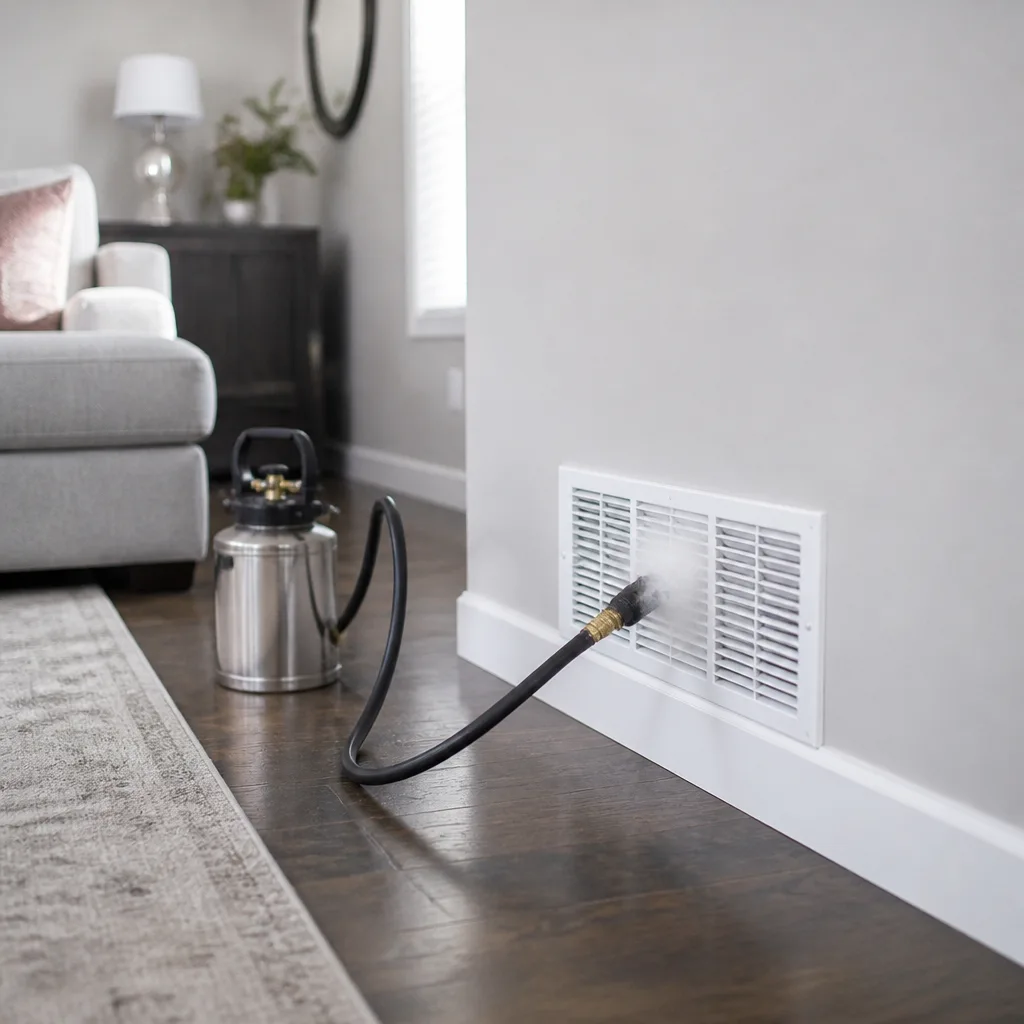 Sanitizing & deodorizing
Whole-system duct and dryer vent check with before-and-after photos - you see exactly what came out of your vents
That "$99 whole-house special" is a bait ad - the real number appears once they are in your hallway, or the "clean" is a shop-vac at the register. We photograph the inside of your ducts before and after instead.
Air Duct Cleaning Cost Breakdown: The Centennial Homeowner’s Reference for 2026
Two Centennial homes with identical square footage can get quotes that differ by hundreds of dollars, and the gap usually has nothing to do with honesty. Duct systems vary far more than floor plans do. A ranch with one trunk line and eight short branches is a different job from a two-story with two air handlers, long flex runs in an attic, and a return chase buried behind drywall. This guide breaks down what you’re actually paying for in Centennial, which variables legitimately move the price, which add-ons tend to be real and which are upsells, and how to compare written scopes instead of headline numbers.
Quick Answer
Air duct cleaning in Centennial typically runs $350 to $700 for a single-system home, with larger or multi-system homes landing between $700 and $1,200+. The variables that legitimately change that range are linear feet of ductwork, the number of HVAC systems, accessibility of the runs, and how contaminated the system actually is. Home size alone doesn’t tell you much, and any quote built on a per-vent price is hiding the real cost drivers.
Styles & brands we work with
- Whole-home duct cleaning
- Dryer vent cleaning
- Camera inspection
- Sanitizing & deodorizing
Table of Contents
- What actually drives air duct cleaning cost in Centennial
- Typical price ranges for Centennial homes
- Why per-vent pricing obscures the real number
- Legitimate add-ons versus typical upsells
- How Centennial pricing compares to Denver proper
- What a very low quote usually tells you
- How to compare quotes using a written scope of work
- Why Centennial’s dry climate matters for duct work
What actually drives air duct cleaning cost in Centennial
The number at the bottom of a quote is built from four variables, and only one of them is square footage. When a contractor quotes you over the phone in thirty seconds, they’re almost certainly guessing at three of the four.
Linear feet of ductwork. This is the honest measure. A 2,000-square-foot Centennial home might have 60 linear feet of trunk and branch duct, or it might have 140 depending on how the builder laid out the system. Attic runs, basement chases, and long flex branches all add feet, and every foot has to be brushed and put under negative pressure.
Number of systems. A single furnace and air handler is one system. A larger home with a second unit for an upstairs or a finished basement is two, and each system has its own supply trunk, return, and equipment cabinet that needs cleaning. Two-system homes in Centennial routinely cost forty to sixty percent more than comparable single-system homes.
Accessibility. This is where the real labor lives. Ducts with accessible rectangular trunk lines and standard floor registers clean efficiently. Ducts in tight attics, behind finished ceilings, under low-clearance crawlspaces, or with registers blocked by furniture and built-ins take longer and require more setup. Contractors who don’t look at your system before pricing it aren’t pricing your job at all.
Contamination level. A system cleaned every several years looks very different from one that has run for a decade with no filter maintenance. Heavy debris, microbial growth, pet dander accumulation, and rodent activity all change the amount of time and the equipment required. This is the one variable that can be assessed honestly only after a technician looks inside the system.
Notice what’s missing from that list: home value, neighborhood, and the contractor’s mood that morning. A breakdown built on those four factors is a number you can trust. One built on anything else is a sales pitch.
Typical price ranges for Centennial homes
These ranges reflect what we see in the Centennial market for whole-system cleaning with professional equipment. They’re estimates, not quotes, and the written estimate you receive after someone looks at your system is what sets the final price.
- Single system, one story, accessible ducts: $350 to $550
- Single system, two story, standard layout: $450 to $700
- Two systems (main plus upper or basement unit): $700 to $1,000
- Two systems with difficult access or heavy contamination: $1,000 to $1,200+
- Duct repair and sealing added to a cleaning: priced separately based on the number of leaks and the access required
- Air quality and sanitizing treatment, added to a full cleaning: usually a modest add-on, not a standalone service
Dryer vent cleaning, which we also handle, is a separate low-cost job and shouldn’t be folded into a duct cleaning quote to inflate the headline. If a contractor quotes you a duct cleaning and a dryer vent on the same line item, ask for both broken out.
One thing worth naming plainly: the difference between the low end and the high end of that table is not the contractor’s profit margin. It’s hours of labor, feet of duct, and the complexity of getting to it. When you compare a $299 coupon to a $650 written estimate, you’re comparing a guess to a scope. They aren’t the same product.
Why per-vent pricing obscures the real number
A per-vent price looks concrete. It’s actually one of the least reliable ways to quote duct cleaning, because the vent count tells you almost nothing about the work involved.
Consider two Centennial homes. One has ten floor registers fed by short branches off a central trunk. The other has ten registers but includes long attic runs, a return chase that snakes behind the stairs, and a basement branch feeding a finished room. Same vent count. Very different job. A per-vent price charges them identically, which means one homeowner is overpaying and the other is getting a rushed job.
There’s a second problem, and it’s structural. Per-vent pricing creates an incentive to add vents, not to clean well. Contractors working this way tend to count things as vents that aren’t (cold air returns are often quoted separately, and register boots get billed as vents). You end up arguing about arithmetic instead of talking about the actual system.
When you get a quote, ask directly: is this priced per vent, per system, or per linear foot? A contractor who prices per system or per linear foot is quoting your home. One who prices per vent is quoting a formula. Both can be honest, but only one is measuring the thing they’re being paid to clean.
Full-system pricing also matches how the actual equipment works. The contractor-grade Rotobrush and Nikro systems we use operate as a pressure and agitation pair: one unit drives negative pressure through the whole system while a rotary brush works each run. That’s a system-level process, not a vent-by-vent one. The pricing should match.
Legitimate add-ons versus typical upsells
Add-ons are where most duct cleaning quotes go sideways. Some additions are genuinely part of a complete air pathway service. Others are products attached to a cleaning to raise the ticket.
Add-ons that usually make sense
- HVAC equipment cleaning. The furnace blower, evaporator coil, and drain pan sit in the same air stream as your ducts. If the ducts are getting cleaned, the equipment cabinet usually needs it too. This is a real separate job on most systems and worth asking about.
- Dryer vent cleaning. Also a separate system and a separate safety concern. We offer dryer vent cleaning as a standalone service because the lint that builds up there is a fire risk unrelated to your HVAC ducts.
- Duct repair and sealing. If the inspection finds disconnected joints, torn flex, or open seams, those leaks are wasting conditioned air and pulling unfiltered attic or crawlspace air into the system. Sealing is a fix, not a cleaning, and it belongs in a scope when the inspection finds it.
- Sanitizing after remediation. When a system has had microbial growth or rodent activity, a post-cleaning treatment is standard practice. The Guardsman-grade sanitizing products we use are for that situation, not for a routine cleaning that didn’t find anything.
Add-ons worth a hard second look
- Chemical fogging on a system with no findings. If the inspection didn’t turn up anything, fogging is a product, not a solution.
- Filter upgrades bundled into the cleaning. Filter replacement is legitimate maintenance, but it should be priced as its own item. We service Honeywell and Aprilaire filtration equipment as part of indoor air quality work, and that’s a different conversation from duct cleaning.
- “Enzyme treatment” or “anti-microbial coating” quoted before the ducts are opened. The treatment should follow what the inspection finds, not precede it.
- UV lights installed during a cleaning visit. These can be worthwhile on some systems, but the decision should be made from what your air quality actually needs, not from a discount offered mid-service.
The pattern is useful: real add-ons respond to something the technician found in your system. Upsells are decided before the system is opened.
How Centennial pricing compares to Denver proper
Centennial homeowners sometimes ask why their quote differs from what a friend in Denver paid. The answer is usually about the housing stock and the driving, not about a different market rate for labor.
Centennial’s housing spans a wide range of build eras, and that matters more than geography. Homes built in the 1970s and 1980s often have different duct layouts than 1990s and 2000s construction, including more hard-pipe and less flex in some areas, or the reverse. Each configuration carries its own labor. Denver’s older neighborhoods include homes with original systems that require more careful inspection and more frequent repair. That can push Denver quotes in either direction: higher when the system needs repair work, lower when it’s small and simple.
What Centennial shares with Denver is the market structure. Contractors serving the southern metro work the same price bands, and the same equipment quality and process standards apply. The differences come down to the home, not the city line.
One practical note: contractors willing to drive from Denver to Centennial are not automatically going to price higher, but scheduling flexibility matters. When you compare quotes from contractors based outside your area against contractors working regularly in the southern metro, check that scheduling practices and travel don’t create delays. Call (855) 337-2063 for a free estimate and a written scope.
What a very low quote usually tells you
When a quote comes in dramatically below the range in this guide, something is being left out. It’s rarely a discount, and it’s almost never a contractor working for less profit.
Three things typically get trimmed:
- Equipment. A proper whole-system cleaning requires a negative-pressure unit and a rotating brush (or an equivalent agitation tool) that can reach into the full duct run. Consumer-grade vacuums and entry-level machines can’t maintain enough negative pressure to grab the debris the brush loosens. A very low quote often reflects consumer equipment and a brush on a shop-vac hose.
- Coverage. A $299 special usually means one system, one trunk, and whatever the technician can reach in the time allowed. That’s not the same service as a full-system cleaning with return-side work. Ask explicitly: does this quote include the return ducts, the register boots, and the equipment cabinet?
- Process and documentation. A thorough cleaning is documented. Before-and-after photos of your own ducts, a written summary of what was found, and a clear scope are part of the service, not an extra. A quote that doesn’t mention them is often a quote that doesn’t include them.
A low quote isn’t proof of anything on its own. It’s a prompt to ask what’s included. When a contractor can’t give you a written scope of work before they arrive, the low number isn’t the price. It’s the opening line of a sales call.
How to compare quotes using a written scope of work
The single best way to compare duct cleaning quotes is to ignore the headline price and compare the written scopes. A scope is a short document that names exactly what will be done, and every legitimate contractor can produce one.
Here’s what a written scope of work should include:
- The number of systems being cleaned (and whether the return side is included).
- The approximate linear footage of ductwork or a description of the runs being cleaned.
- The equipment to be used. Contractor-grade equipment is worth naming, and the equipment a contractor uses says a lot about the quality tier. Rotobrush and Nikro systems are the same class of machine used on commercial jobs. If a quote doesn’t name the equipment, ask.
- Whether register boots, plenum, and equipment cabinets are included. These are the joints where debris collects and where cleaning gets skipped.
- What happens if the inspection finds contamination-level problems. A proper scope names the response: cleaning, sanitizing, or remediation. Equipment from Abatement Technologies in a contractor’s toolkit indicates training for these cases. Ask whether they have it.
- Whether repair and sealing are reviewed. Accessible leaking joints should be identified. Sealing is the fix for air loss, and a contractor who doesn’t offer it is only cleaning around the problem. You can read more about our HVAC cleaning work and what it covers.
- The price, itemized. One line for the cleaning, separate lines for anything additional.
When you line up two written scopes side by side, the comparison becomes honest. A $400 quote that covers one system with no return work and a $650 quote that covers the full pathway including returns and register boots aren’t different prices for the same job. They’re different jobs. The written scope tells you which one you’re actually buying.
This is also where after-cleaning documentation matters. Before-and-after photos of your own ducts are the check on whether the work was done. Ask any contractor you’re considering to show you what their finished work looks like.
Why Centennial’s dry climate matters for duct work
Centennial sits on the high plains in a dry, semi-arid climate where humidity is low most of the year and the furnace runs through a long heating season. Those conditions shape what duct cleaning actually addresses here, and they shape whether the work you pay for holds up.
Dry air is gentler on ducts than humid air in some ways (less rust in hard-pipe systems, less moisture-driven microbial growth if the system is sealed). But low humidity means dust stays airborne longer and settles into registers and return grilles in visible quantities, and the furnace filter is doing substantial work through the winter. That’s a maintenance argument, not a scare tactic: in a dry climate, filters, returns, and register boots are where the cost of poor filtration shows up first.
The heating season also matters for leaks. In a tightly sealed, dry climate with a long heating cycle, a duct system with disconnected joints is wasting conditioned air for a large part of the year. That’s why our service isn’t only cleaning. We offer air duct cleaning alongside HVAC cleaning, duct repair and sealing, dryer vent cleaning, and air quality sanitizing, because the entire air pathway has to work together to hold a result. Cleaning the ducts and leaving a leaking trunk is leaving the job half-done.
Centennial neighborhoods like Foxridge, Willow Creek, and the Cherry Creek School District area (home to a lot of 1970s through 1990s construction) see a lot of duct layouts where trunk lines run through finished basements and attic spaces. Those layouts are workable with the right equipment, but they require setup, and that’s part of why the quoted range varies house to house.
Common Mistakes to Avoid
- Booking from a headline price on a flyer. The number on the coupon is a door-opener, not a scope. Ask for a written estimate before you schedule.
- Accepting a quote over the phone without a system inspection. Duct cleaning prices are driven by access and contamination, and neither can be assessed by phone. A contractor who skips the inspection is guessing.
- Paying per vent. Per-vent pricing penalizes complex homes and rewards simple ones, regardless of the actual work. Ask for per-system or per-linear-foot pricing.
- Assuming a low quote saves money. A cleaning with weak equipment leaves the debris in place. You pay again later.
- Adding sanitizing to a routine cleaning without a finding. A treatment is a response to something. If the inspection didn’t find anything, the fogging is a product, not a service.
- Forgetting the returns. A scope that lists the supply side only is missing half the system. Return trunks and register boots are where debris accumulates.
- Skipping the dryer vent. It’s a separate system with its own fire risk and its own cleaning schedule. Don’t assume the HVAC cleaning covered it.
See the difference
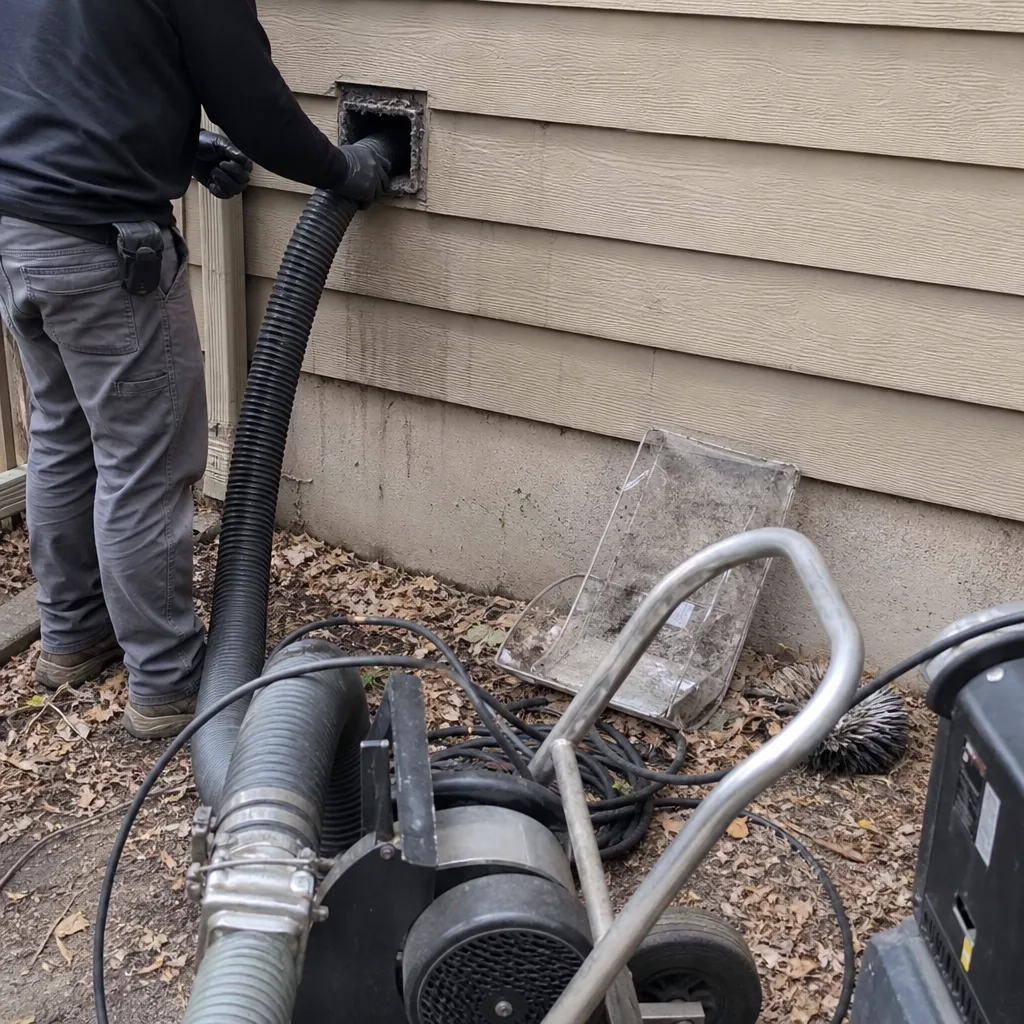 Before
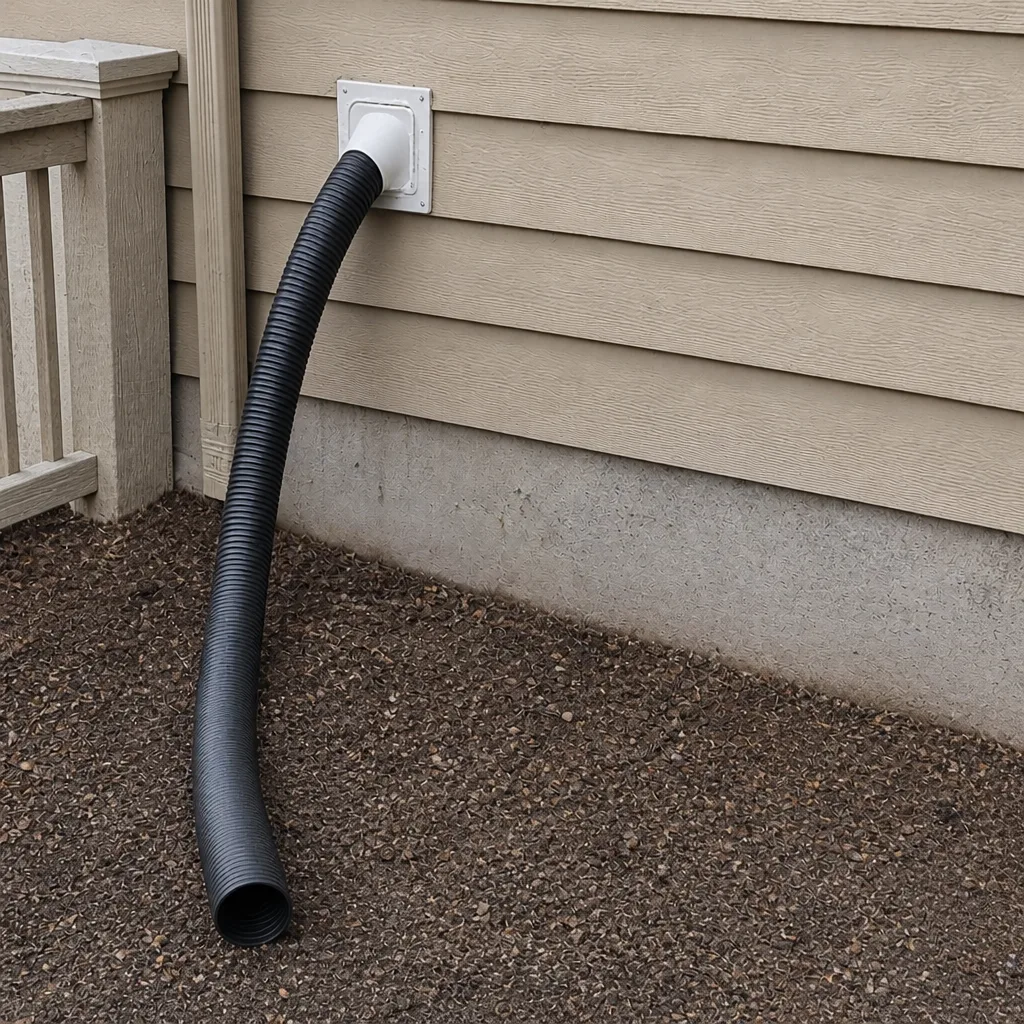 After
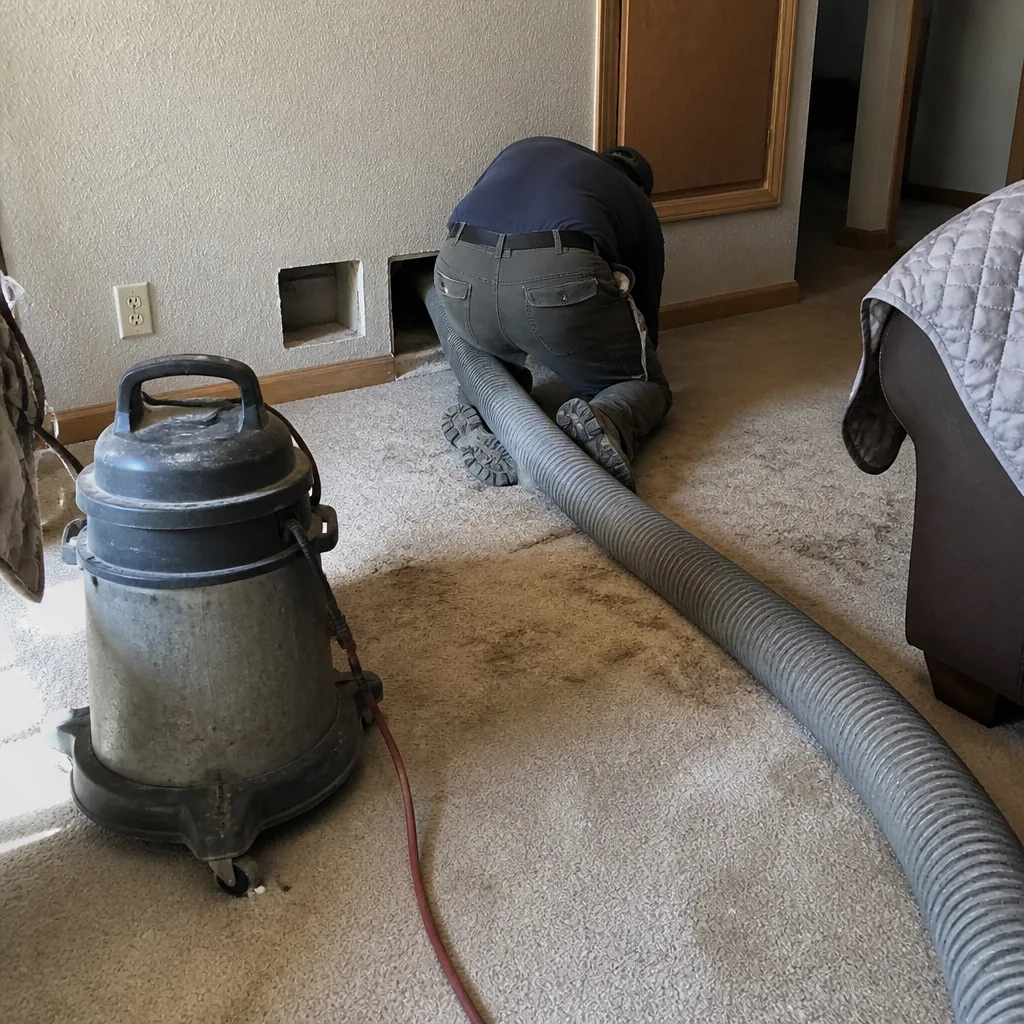 Before
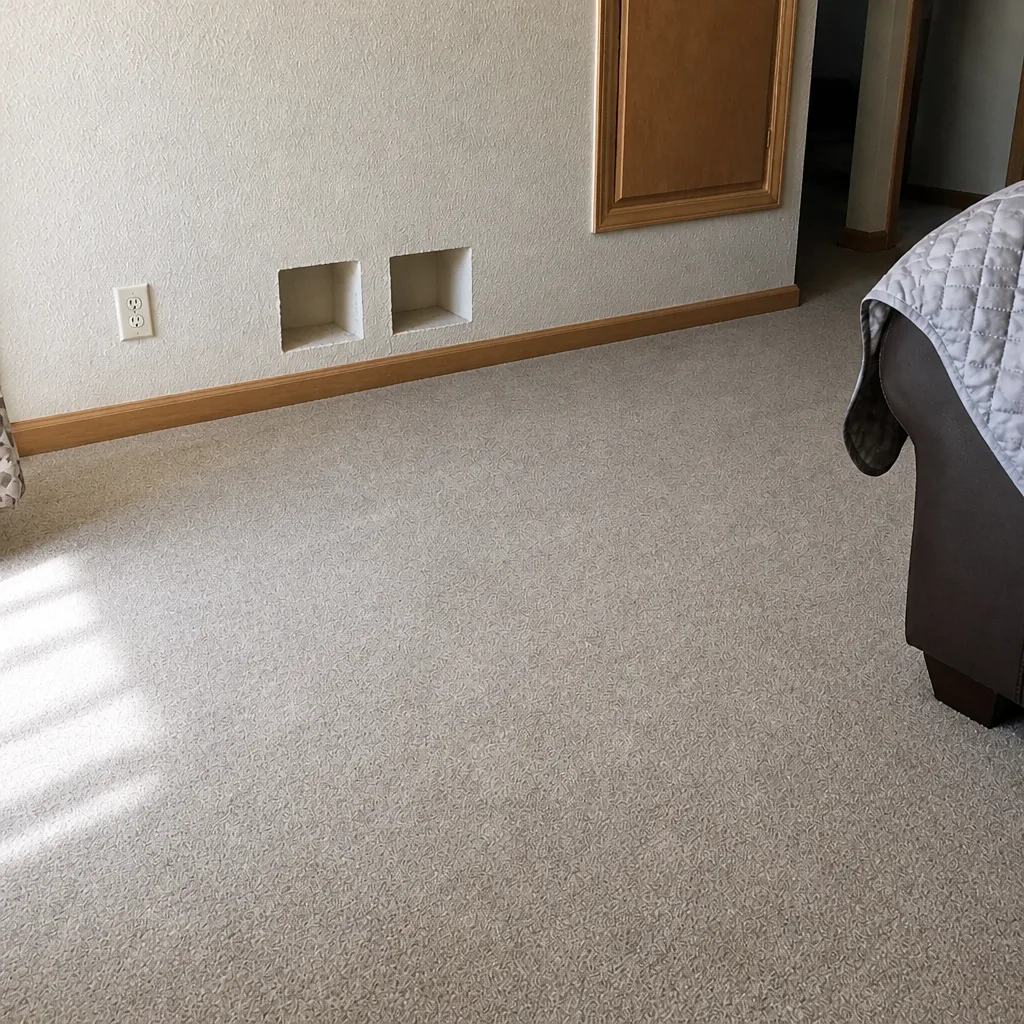 After
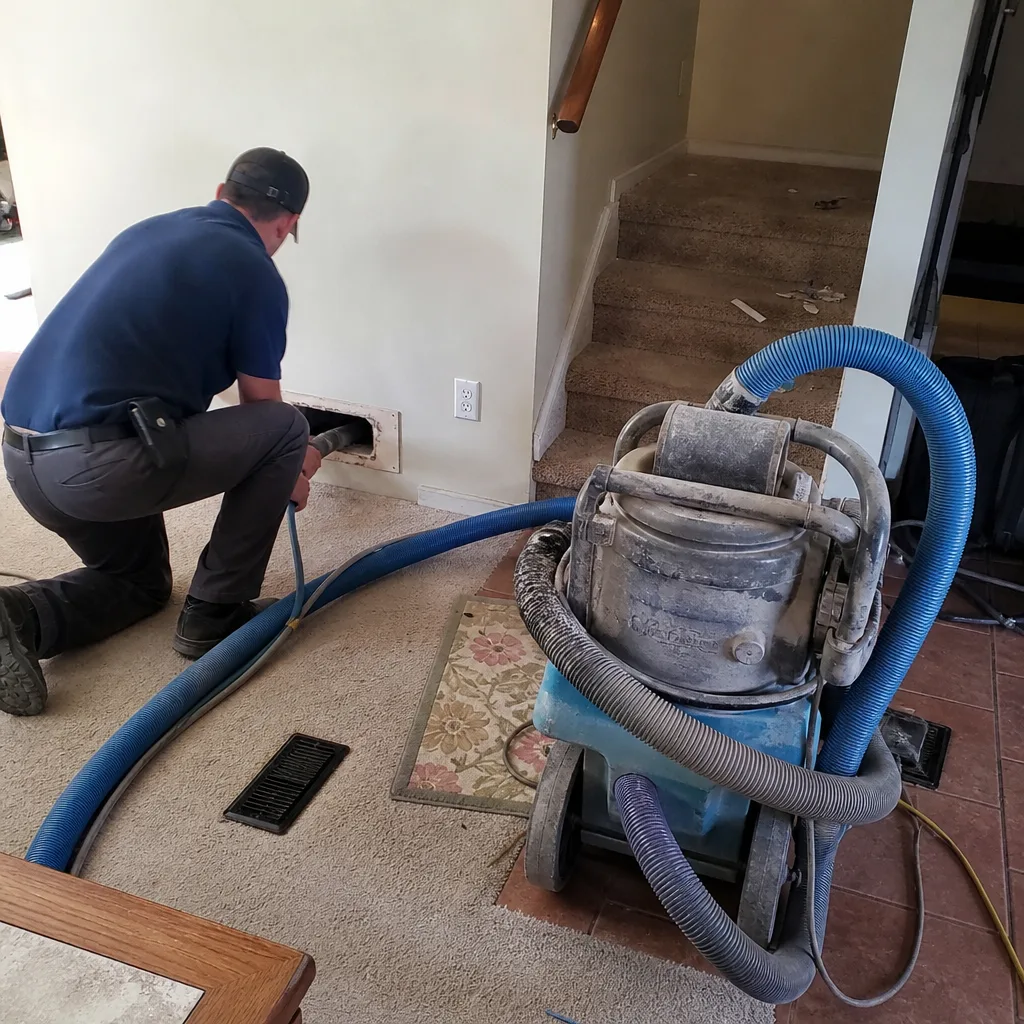 Before
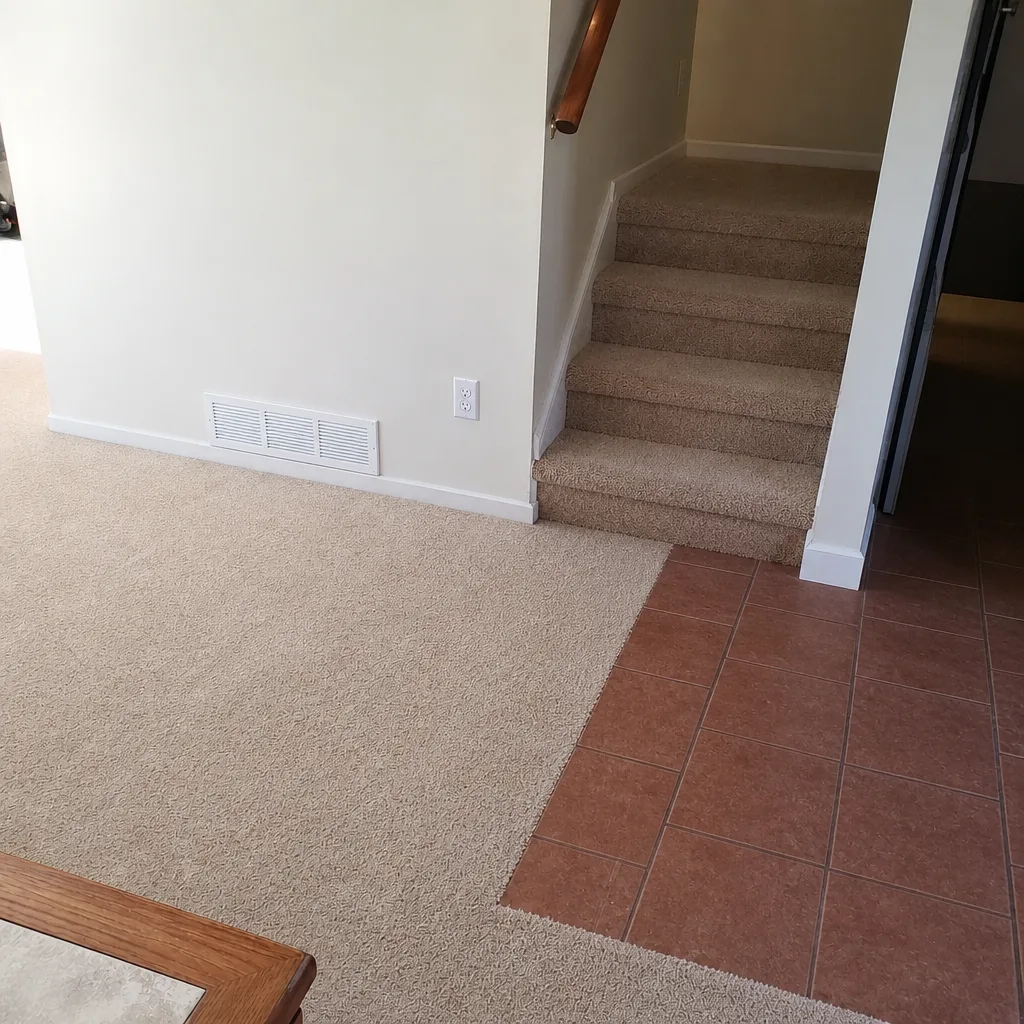 After
When to Call a Professional
If you’re seeing visible dust on the register grilles and have never had the system cleaned, or the system hasn’t been cleaned since you bought the home, it’s worth a look. If your filter is loading up faster than expected or you notice air sealing leaks around trunk joints, calling a professional helps distinguish a cleaning from a repair. If you’ve had water intrusion, pest activity, or mold visible anywhere the air moves through, a professional inspection is different from a cleaning and matters more. Our technicians have up to 11 years of experience identifying what a system actually needs. Air Duct Cleaning Centennial offers free estimates in Centennial and works the full air pathway, including cleaning, repair, and sanitizing. Call (855) 337-2063.
Frequently Asked Questions
A typical single-system home in Centennial runs $350 to $700, and larger or multi-system homes usually land between $700 and $1,200 or more. The variables are linear feet of ductwork, number of systems, accessibility, and contamination level, not just square footage. Call (855) 337-2063 for an exact quote; estimates are free.
A very low quote usually reflects lower-tier equipment, a smaller scope (supply side only, no returns), or a per-vent formula that leaves the real work out. It’s not necessarily dishonest, but it’s usually not the same job the higher quote describes. Compare written scopes, not headline numbers, and call (855) 337-2063 if you want a scope in hand to compare against.
Ask for before-and-after photos of your own ducts, a written summary of what was found, and a clear scope of what was cleaned. A contractor who documents the work gives you something to verify. A contractor who doesn’t leaves you guessing. Call (855) 337-2063 to schedule an estimate and see what a documented scope looks like.
Most homes don’t need it on a fixed calendar. It depends on the system’s age, filter maintenance, pet and occupant activity, and whether there’s a history of contamination. A practical approach is to inspect on a reasonable schedule rather than clean on impulse, and to clean when the inspection shows a reason. Call (855) 337-2063 for a free estimate and inspection.
Only if the inspection finds leaking joints, disconnected runs, or torn flex. Those are air-loss and contamination pathways, and sealing them is a fix, not a cleaning. Our air duct cleaning in Centennial service includes a repair and sealing review when the system shows a problem, and you don’t pay for sealing you don’t need. Call (855) 337-2063 for an estimate.
Yes. We clean ducts, dryer vents, and HVAC equipment, and we handle duct repair and sealing plus air quality sanitizing. The whole air pathway working together is what makes the result hold. Call (855) 337-2063 for a free estimate on any of these.
The Bottom Line
Air duct cleaning pricing in Centennial is built from four real variables: linear feet of ductwork, number of systems, accessibility, and contamination. Anything else, including home size, neighborhood, and per-vent formulas, is noise. A written scope of work is the honest way to compare quotes, because it names the equipment, the coverage, and the price as separate items. If you want a written scope with the equipment and the coverage spelled out, call (855) 337-2063. We answer 24/7. Fast dispatch from 7am to 7pm, Sunday through Friday. Estimates are free, and the written estimate sets the final price.
Written by the team at Air Duct Cleaning Centennial.