
Last updated November 23, 2026
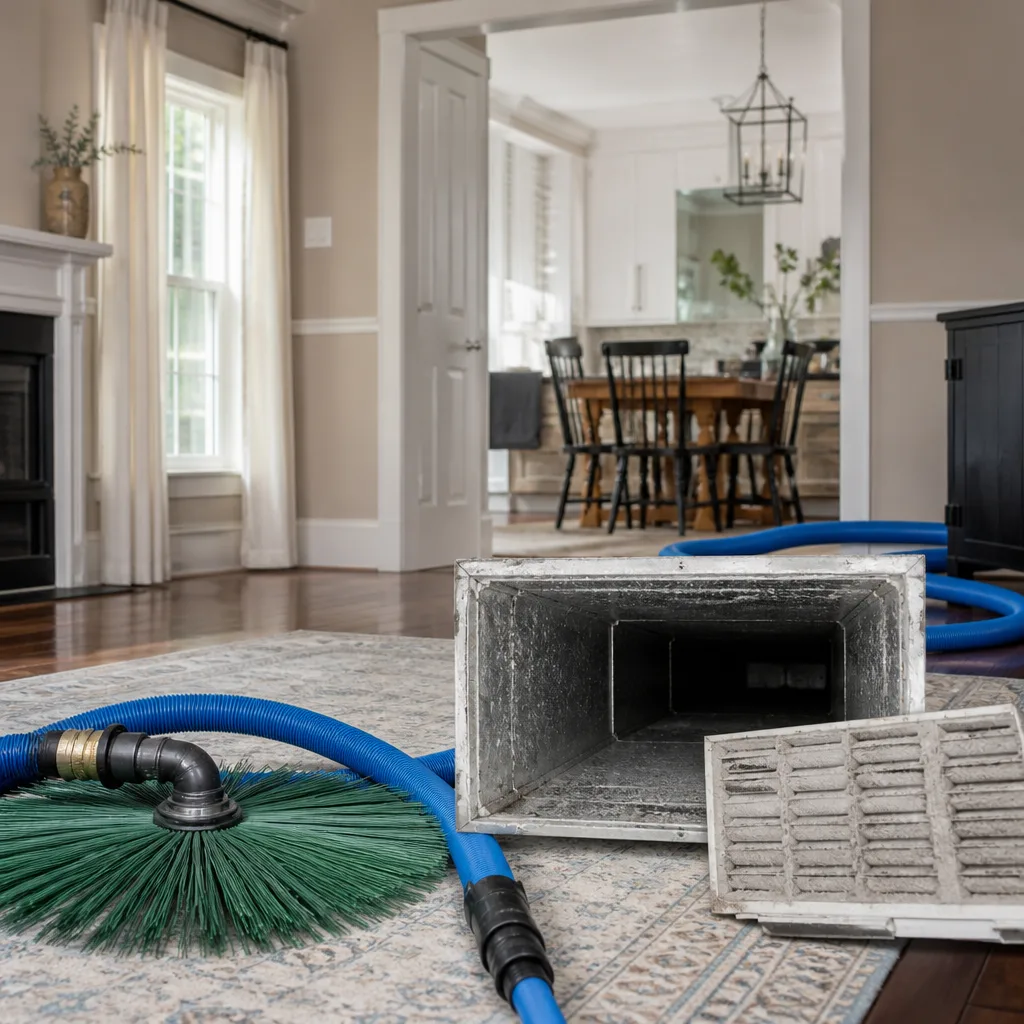 Whole-home duct cleaning
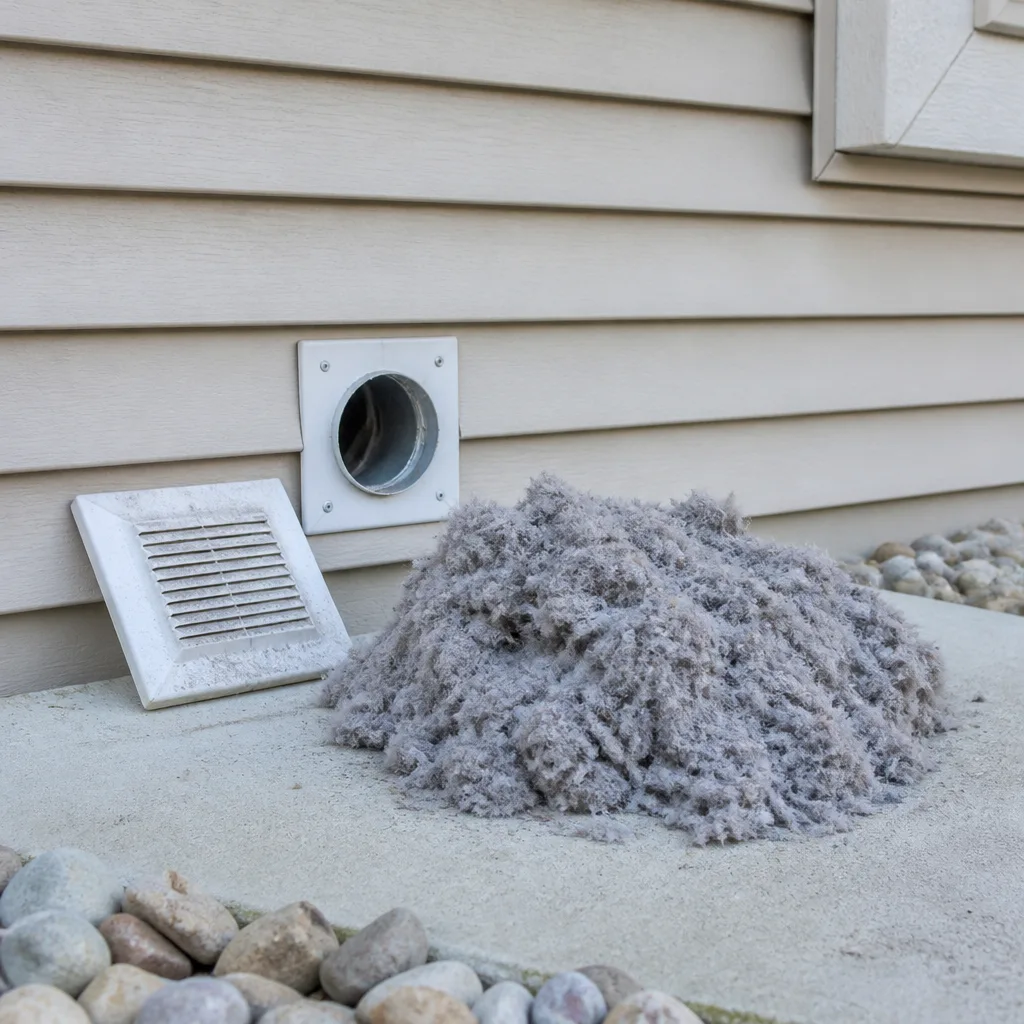 Dryer vent cleaning
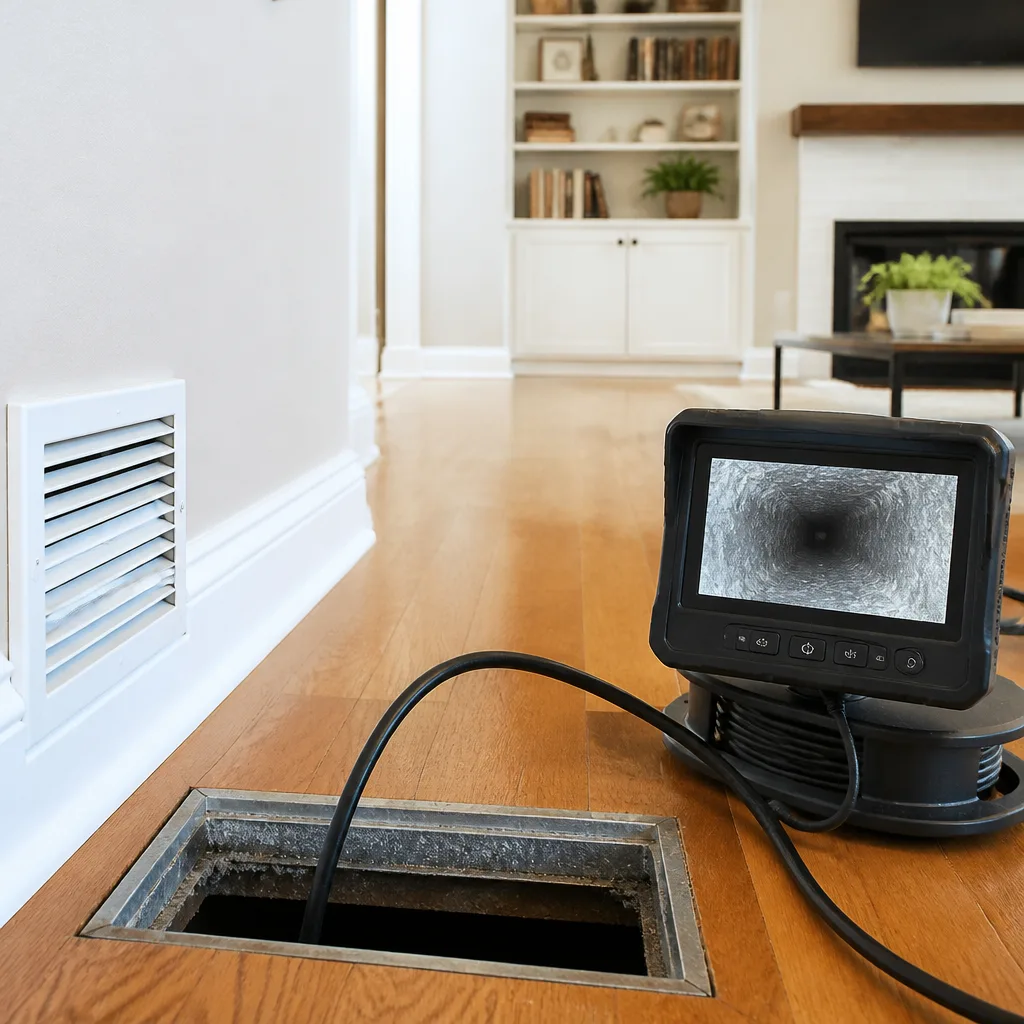 Camera inspection
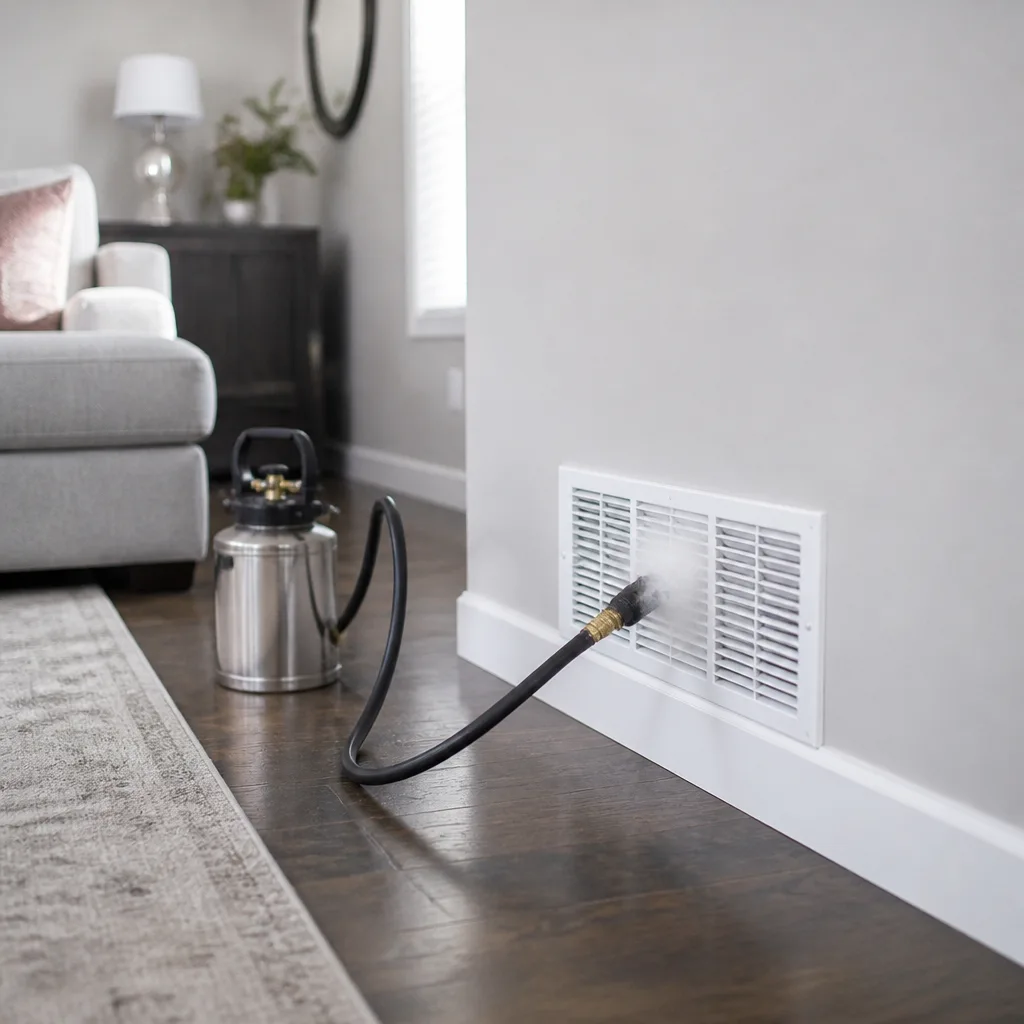 Sanitizing & deodorizing
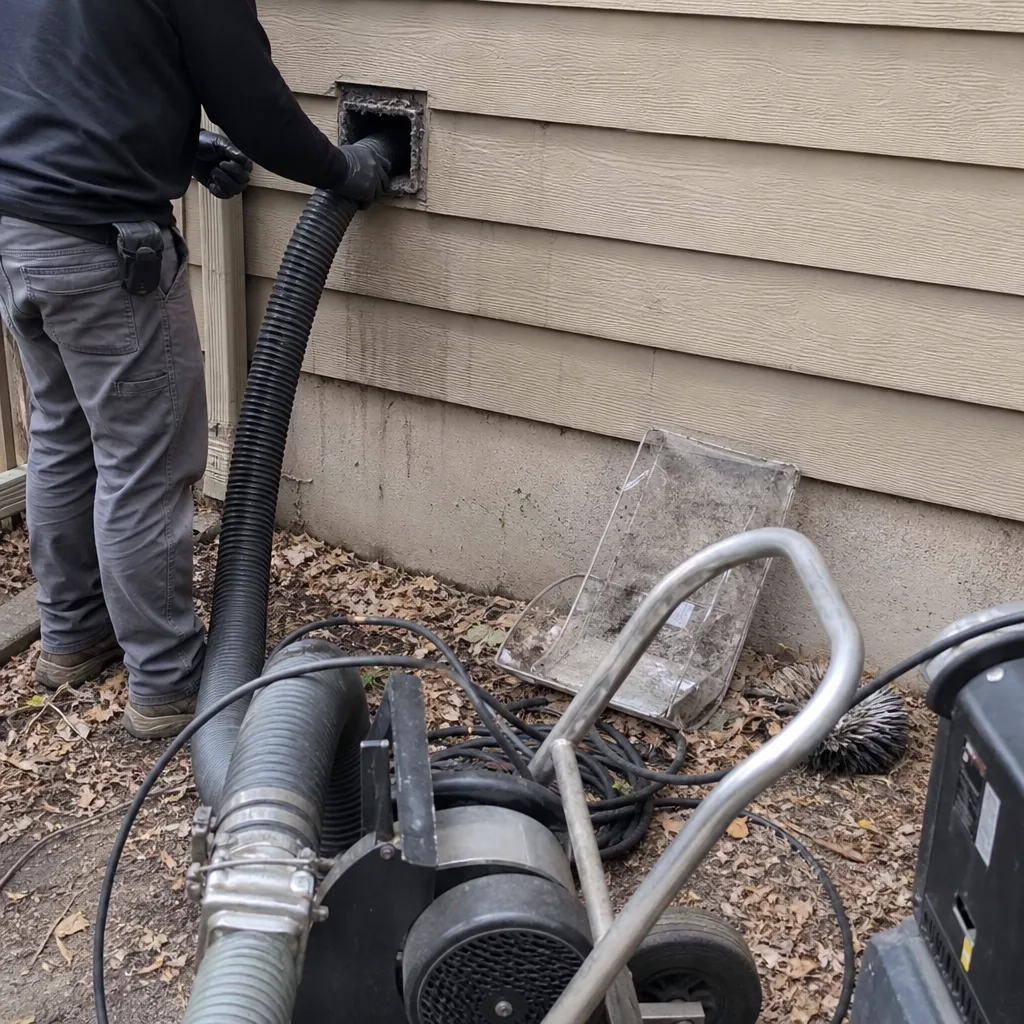
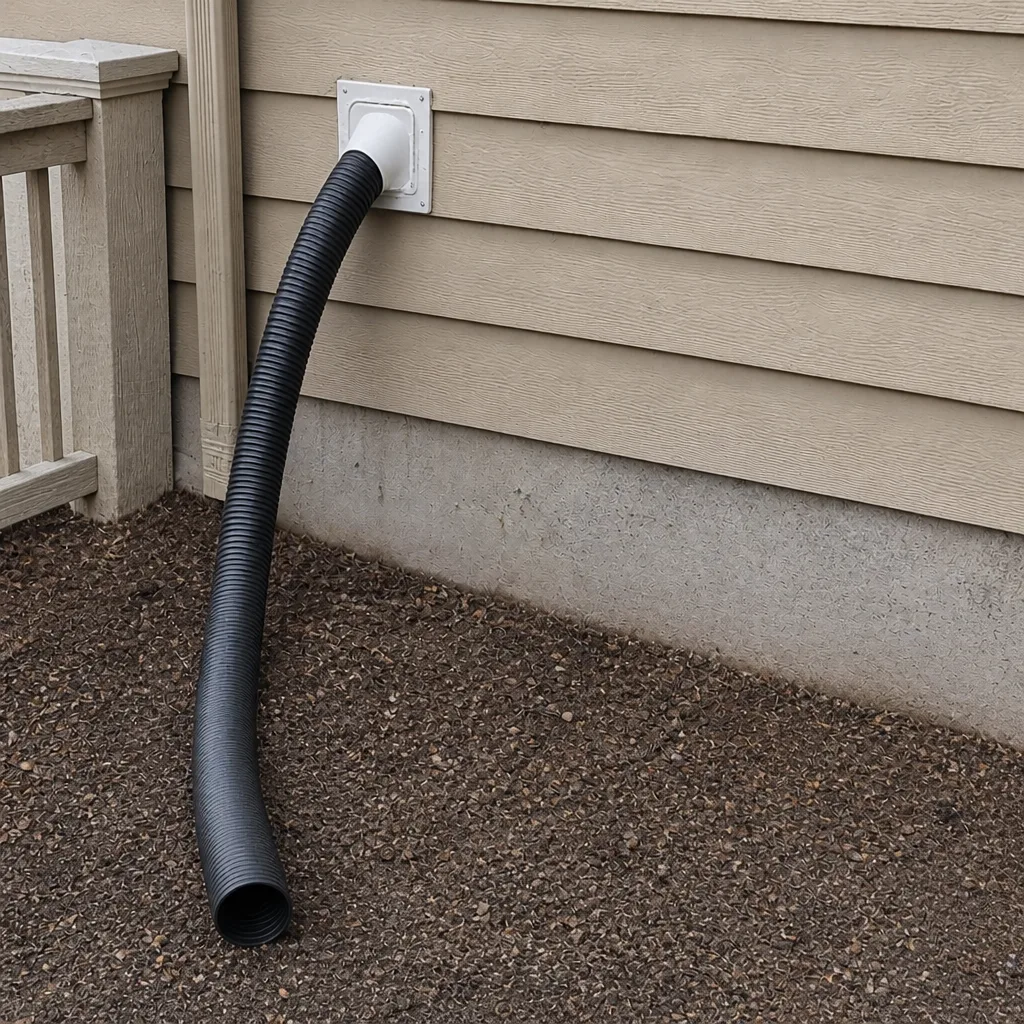
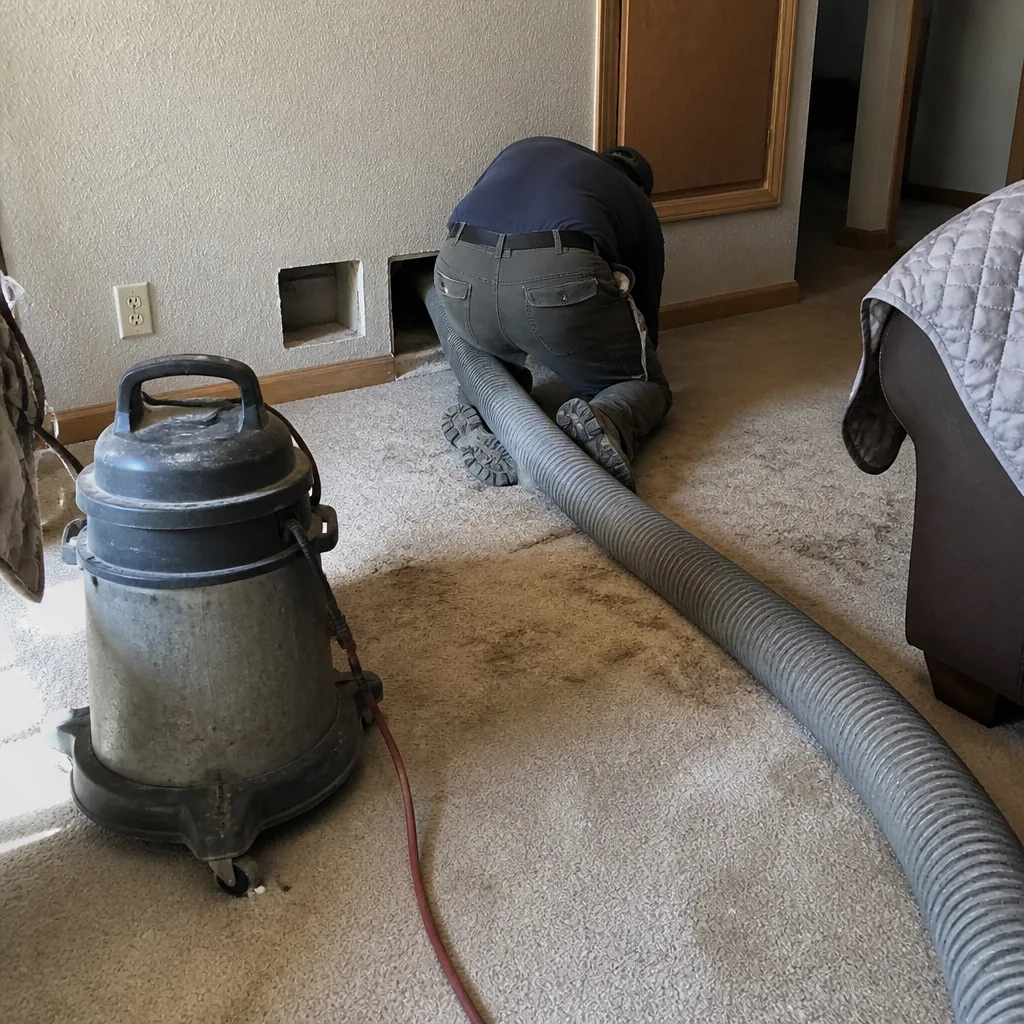
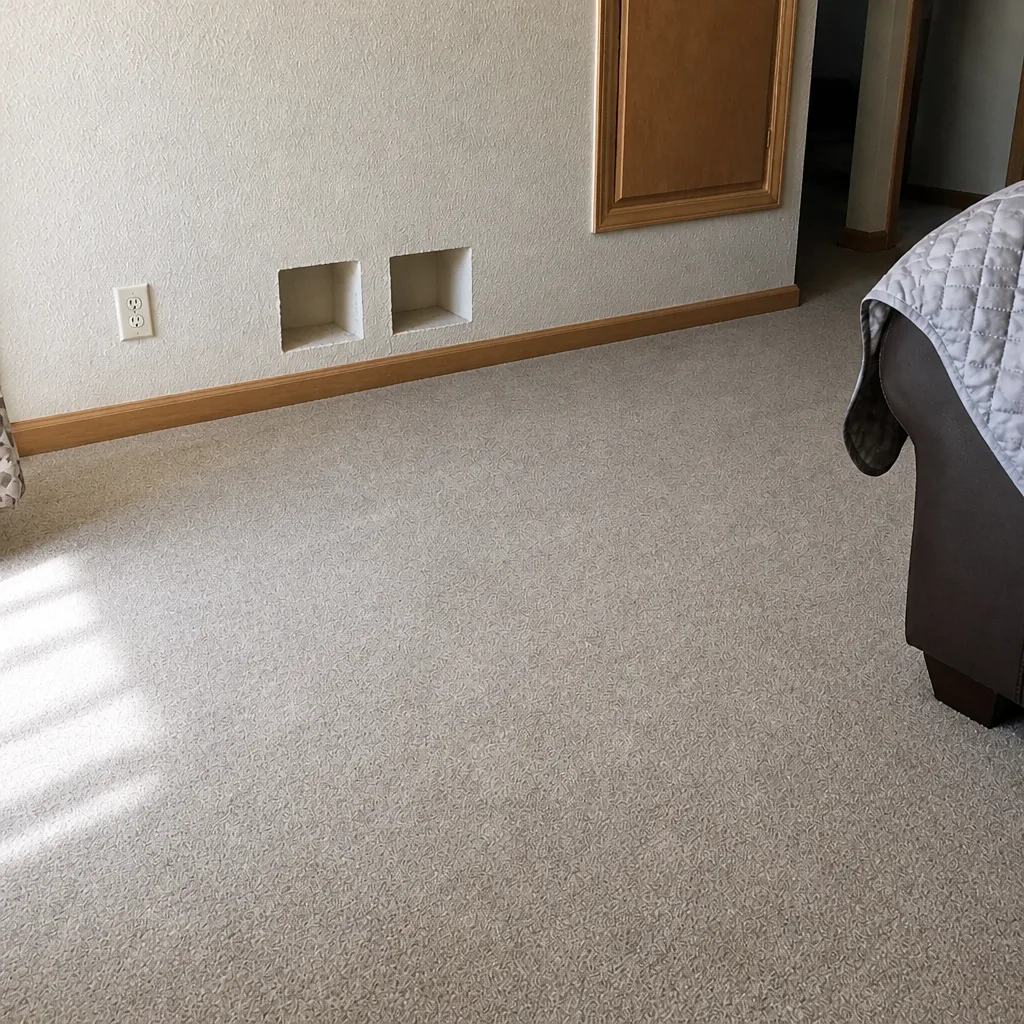
Whole-system duct and dryer vent check with before-and-after photos - you see exactly what came out of your vents
That "$99 whole-house special" is a bait ad - the real number appears once they are in your hallway, or the "clean" is a shop-vac at the register. We photograph the inside of your ducts before and after instead.
Air Duct Cleaning Emergency Preparedness Guide for Centennial Homes
Most homeowners think about duct cleaning as maintenance, something you get to when the filter looks bad. After the Marshall Fire, that assumption broke. Dozens of families came back to houses that were still standing, structurally sound, and yet the duct system had been pulling smoke particulate through it for weeks. Routine cleaning wasn’t enough to fix what was inside those ducts. Centennial sits close enough to wildfire corridors that this is a real planning scenario, not a distant worry. This guide walks through the duct emergencies that matter here: wildfire smoke infiltration, post-flood mold, and what to do before and after a disaster so your air system comes back clean.
Quick Answer
In a smoke, flood, or contamination event, your first job is to shut the HVAC system down so it stops pulling contaminated air through the ducts. Then document everything for insurance, and only then bring in a specialist who can handle particle-level remediation, not just odor masking. Centennial homes built in the 1980s and 1990s need a different response protocol than routine cleaning, because duct materials from that era hold smoke and moisture in ways newer systems don’t.
Key Takeaways
- Shut the system down before the ducts become the distribution path for smoke or moisture.
- Smoke odor treatment is not the same as particulate remediation. One masks, the other removes.
- Post-flood mold in ducts can make cleaning inadequate; liner replacement may be the only real fix.
- Photograph and log everything before anyone touches the system.
- Line up a qualified specialist before an emergency, so you’re not cold-calling during a crisis.
- One flat price per system, agreed in writing, is the way a proper job should be quoted.
Styles & brands we work with
- Whole-home duct cleaning
- Dryer vent cleaning
- Camera inspection
- Sanitizing & deodorizing
Table of Contents
- Wildfire Smoke Events: Shut Down and Protect Your HVAC First
- Smoke Odor Treatment vs. Actual Particulate Remediation
- Post-Flood Duct Response: The Mold Timeline
- What Documentation You Need for Insurance Claims
- Pre-Establishing a Contractor Relationship Before an Emergency
- Aging Housing Stock in Centennial: What 1980s and 1990s Ducts Do Differently
- Post-Remediation Reoccupancy: What a Clean System Should Look Like
- Common Mistakes to Avoid
Wildfire Smoke Events: Shut Down and Protect Your HVAC First
When smoke rolls into the Centennial area, the instinct is to close windows and hope the system filters it out. That’s backwards. A running HVAC system pulls smoky outdoor air into the return and pushes it through every duct in the house. If the system is drawing from outside air, or if the air handler is leaking return air from a garage or attic, you’re pressurizing the ductwork with exactly the particles you want to keep out. The correct first move is to turn the system off at the thermostat and shut the fresh-air intake if your home has one.
What to do, in order:
- Set the thermostat to off. Don’t rely on a filter to catch smoke particles; standard filters aren’t designed for that concentration.
- Close fresh-air intakes, exterior dampers, and any attic or garage return grilles you can access.
- Keep windows and doors closed and run a standalone HEPA room purifier if you have one.
- Don’t run a whole-house fan or bathroom exhaust fans longer than necessary, because they pull outdoor air in through gaps.
- Once the smoke event clears, have the duct system inspected before you resume normal operation.
Centennial sits in the wildland-urban interface, where a nearby fire can send smoke for days. The longer the system runs during that window, the deeper the contamination goes. In our experience, homes that shut down early need far less remediation than homes that ran their HVAC system through a multi-day smoke event. Restarting is fine once air quality improves, but only after an inspection confirms the ducts didn’t take on significant particulate load.
If you don’t know how your system is configured, a qualified technician can map the return air path and tell you which intakes to close. That’s a 15-minute diagnosis that saves days of cleanup.
Smoke Odor Treatment vs. Actual Particulate Remediation
There’s a distinction that matters more than almost any other in this guide. Odor treatment makes a duct system smell better. Particulate remediation makes it clean. They are different jobs, and one does not substitute for the other. A lot of “smoke remediation” you’ll see advertised is essentially a fogging treatment: a deodorizing agent is sprayed into the ducts and the smell goes away for a while. But the ash, char, and fine smoke particles are still coating the duct interior, still recirculating every time the system runs, and still capable of reaggravating allergies or asthma in a Centennial household that’s already sensitive.
Proper remediation uses mechanical agitation and high-volume negative pressure extraction. That’s why equipment matters here. Rotobrush and Nikro systems are built to physically scour and vacuum the duct interior, not just fog it. In our work, we use contractor-grade equipment because consumer machines can’t generate the air volume or agitation needed for smoke-laden ducts. A dusting of deodorizer isn’t remediation.
How to tell the two apart:
- Odor treatment: fogging or misting, no extraction, no physical access to duct interiors, done in under an hour.
- Particulate remediation: mechanical brushing or whip agitation, negative pressure, before-and-after documentation of the duct interiors, several hours for a whole system.
If a quote doesn’t mention extraction or before-and-after photos, it’s probably the first kind. Ask directly. A contractor who can’t describe the extraction method in plain terms isn’t doing remediation.
Post-Flood Duct Response: The Mold Timeline
Water in the ducts is a different emergency than smoke, and the timeline is tighter. Mold can begin developing on wet duct surfaces within the first couple of days after a flood, and it spreads faster in a humid, closed system than on an open wall. Centennial’s dry climate slows the process compared to coastal cities, but it doesn’t stop it, especially if the HVAC has been running and circulating humid air through the whole system.
What a proper flood response looks like:
- Shut off the HVAC immediately and do not run it until the duct system has been inspected and dried.
- Remove standing water from the mechanical space and document everything before cleanup begins.
- Get drying equipment (dehumidifiers, air movers) into the affected areas as quickly as possible.
- Have the duct system inspected for moisture, and specifically for flexible duct liner or insulated sections that hold water.
- If mold is present, cleaning alone may be inadequate; liner replacement or section replacement may be the only full fix.
This is the part most homeowners don’t hear: flexible duct liner and internally insulated rigid duct are sponges. Once water gets into the insulation, you can clean the surface and still have mold growing behind it. In our experience on Centennial flood jobs, the honest answer for a soaked liner is replacement, not cleaning. Repair and sealing work together with cleaning here, because the compromised section has to be removed and the rest of the system brought back to a sealed, dry state.
What Documentation You Need for Insurance Claims
If you’re filing a claim for duct damage after a smoke or flood event, the documentation you gather in the first 48 hours determines how much the insurer agrees to cover. Don’t wait for the adjuster to tell you what they need. Gather it yourself.
- Dated photos of the property before any cleanup, including duct registers, grilles, and the mechanical room.
- A written description of what happened, when, and what was running at the time.
- Photos of the duct interiors if you or a technician can safely access them; before-and-after images are the strongest evidence.
- Notes on any pre-existing air quality issues, since some policies exclude them.
- A written scope of recommended remediation from a qualified specialist, itemized, not a lump sum.
- Receipts for any temporary measures (HEPA purifiers, temporary housing).
Ask your insurer in writing which line items they’ll cover before work starts. A specialist who can provide itemized documentation and before-and-after photos makes the claim process far smoother than one who hands over a single number. We keep the documentation trail clean on Centennial jobs because we know it’s the difference between a paid claim and a fight.
Pre-Establishing a Contractor Relationship Before an Emergency
Here’s the thing almost nobody does: line up a duct specialist before you need one. During a wildfire event or a flood, every qualified contractor in Centennial is being called simultaneously, and the good ones book out. The cold call you make at 6am on the second day of a smoke event is often the worst one you’ll make all year. Pre-establishing the relationship means you already know who to call, what they charge, and how they handle documentation.
What to check when you vet a specialist:
- Equipment: do they use contractor-grade systems like Rotobrush or Nikro, or consumer-grade machines?
- Service depth: can they handle duct cleaning, dryer vent work, HVAC cleaning, repair and sealing, and sanitizing with one visit? The full air pathway matters in an emergency.
- Documentation: do they provide before-and-after photos of your own ducts as a standard part of the job?
- Sanitizing: do they use professional products like Guardsman, or generic sprays?
- Written scope: do they give you a flat price per system before work begins, or a coupon that changes once they’re on site?
Get to know them before the emergency. For routine work, starting with Air Duct Cleaning Centennial lets you build that relationship during calm conditions.
Aging Housing Stock in Centennial: What 1980s and 1990s Ducts Do Differently
Centennial’s housing stock from the 1980s and 1990s predates much of the duct sealing and insulation standards we now take for granted. Those systems often have flexible duct sections, internally insulated runs, and small leaks at joints that go unnoticed for years. Under normal conditions that means a bit of energy loss. In a smoke or flood event, it means the contamination has more places to hide.
What matters specifically in these homes:
- Flexible duct liner acts as a trap; it can hold smoke residue and moisture for far longer than a smooth metal duct surface.
- Joints and seams that leak in normal operation become the entry path when the system runs during a smoke event.
- Older return-air pathways often pull from attics or crawlspaces, which can concentrate outdoor smoke.
This is where repair and sealing matter, not just cleaning. If you clean a contaminated 1980s duct system without sealing the leaks, the same pathways that let smoke in will let it back in. Fixing the ingress and the contamination together is what gets a Centennial home back to a normal, breathable baseline. Each home is different, so an inspection that maps the actual duct layout is the starting point, not a guess.
Post-Remediation Reoccupancy: What a Clean System Should Look Like
After remediation, you shouldn’t have to take the contractor’s word for it. Reoccupancy should be based on what you can see and what you’re told in writing.
- Before-and-after photos of the duct interiors from every registered run that was cleaned.
- A written summary of what was removed and what, if anything, needed replacement.
- A system-wide pressure check to confirm the sealing work holds and the system is balanced.
- New filters installed per the manufacturer’s recommendations for the season.
- Sanitizing step confirmed: which product, and that it’s a professional-grade solution (Guardsman is one we use).
For a Centennial home coming back from a smoke event, the reoccupancy test is straightforward. Run the system for a day, then check the filter. It should look normal for the home, not grey or black. If it loads up quickly, the remediation was incomplete. For flood remediation, the same test applies, plus a moisture reading on any duct section that stayed in place. We don’t sign off on a job until those things check out.
Common Mistakes to Avoid
- Running the system during a smoke event. This is the single biggest mistake. Every minute the fan runs is a minute smoke particles are being distributed through the entire duct system, and it turns a small remediation into a full one.
- Getting odor treatment instead of remediation. A fogging job makes the smell go away for a week and leaves the particulate load untouched. In a Centennial home with an allergic occupant, that difference is significant.
- Skipping the flood documentation window. Photos and receipts taken in the first day are far more valuable to an insurer than anything gathered later. Once cleanup starts, the before-photos are gone.
- Cleaning wet ducts without drying first. Running cleaning equipment through moist duct liner spreads mold into sections that were clear. Drying comes before cleaning, always.
- Assuming a cheap coupon covers the emergency case. Smoke and flood remediation isn’t a routine cleaning. A coupon-priced job doesn’t include extraction at contamination scale, and the invoice that arrives after the work starts is the one homeowners remember.
- Not checking yourself. Before anyone starts, ask how they’ll document the duct interiors and what they’ll show you at the end. A contractor who can’t answer that clearly isn’t set up for a real remediation.
- Forgetting the rest of the air pathway. A smoke or flood event affects the dryer vent and the HVAC unit, not only the ducts. Single-service cleaners miss the whole system, which is why the full five-service approach matters in Centennial’s real emergencies.
Safety Caveats for Emergency Duct Work
A few things in this guide are genuinely dangerous if attempted without training. Never open a duct system and reach into an air handler or furnace compartment while the unit is live; capacitors hold charge even after the breaker is off. If you’re reading values or working inside any electrical controls or gas lines, stop and call a professional. Duct cleaning itself involves high-volume negative pressure and mechanical agitation equipment that isn’t designed for homeowner use. The right move in a smoke or flood event is to shut the system down, document what you can see from outside the system, and leave the interior work to a trained specialist.
When to Call a Professional
Call a professional the moment any of the following is true: your home has been through a wildfire smoke event lasting more than a day, your ducts have taken on water, mold is visible anywhere in the air path, your air filter is loading up faster than normal, or you’re noticing allergy symptoms indoors that don’t match what’s happening outdoors. Routine maintenance can wait; contamination-level work cannot. Air Duct Cleaning Centennial offers free estimates in Centennial. Call (855) 337-2063 to get started. We answer 24/7. Fast dispatch from 7am to 7pm, Sunday through Friday. Closed Saturday. Each job is priced per system with a written estimate before work begins, so you know what you’re getting before anyone touches the ducts. Our technicians have up to 11 years of experience, and the local professional we connect you with is licensed and insured as their state requires.
See the difference
 Before
 After
 Before
 After
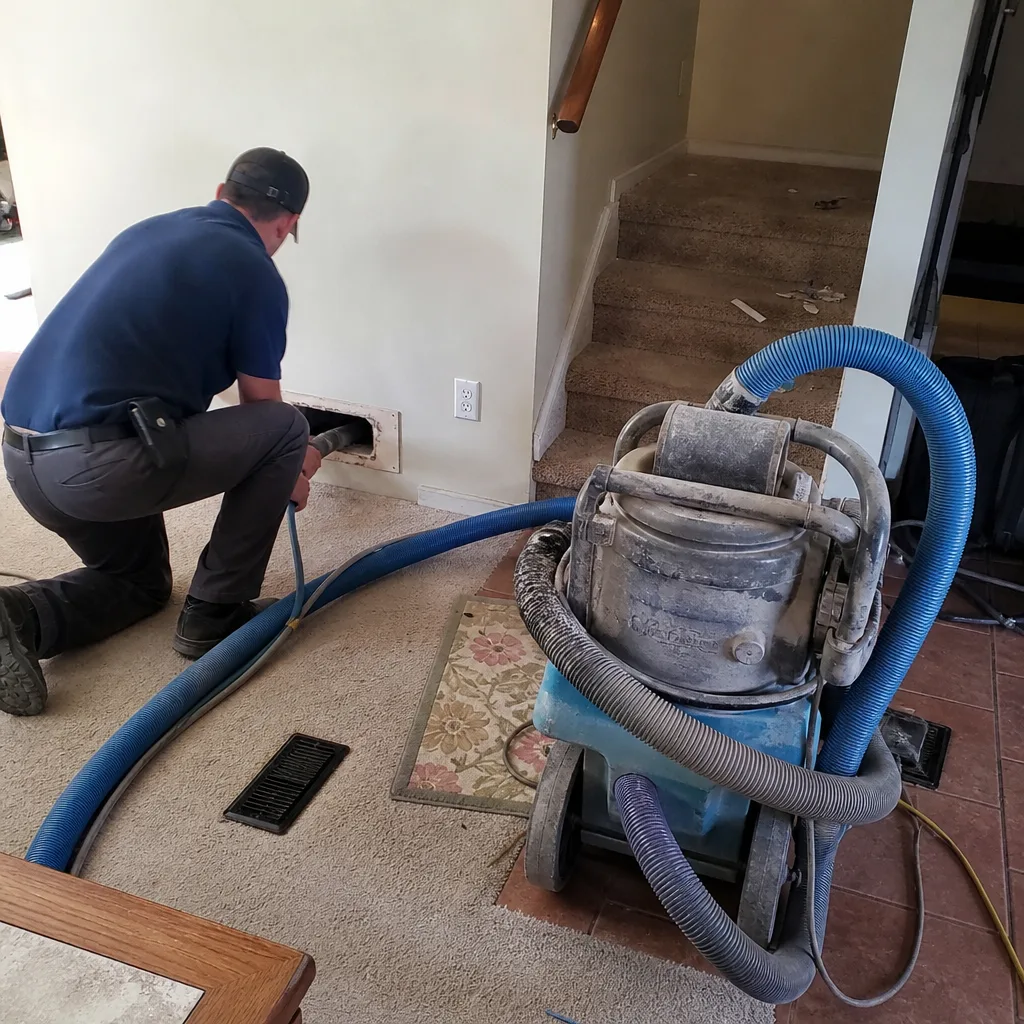 Before
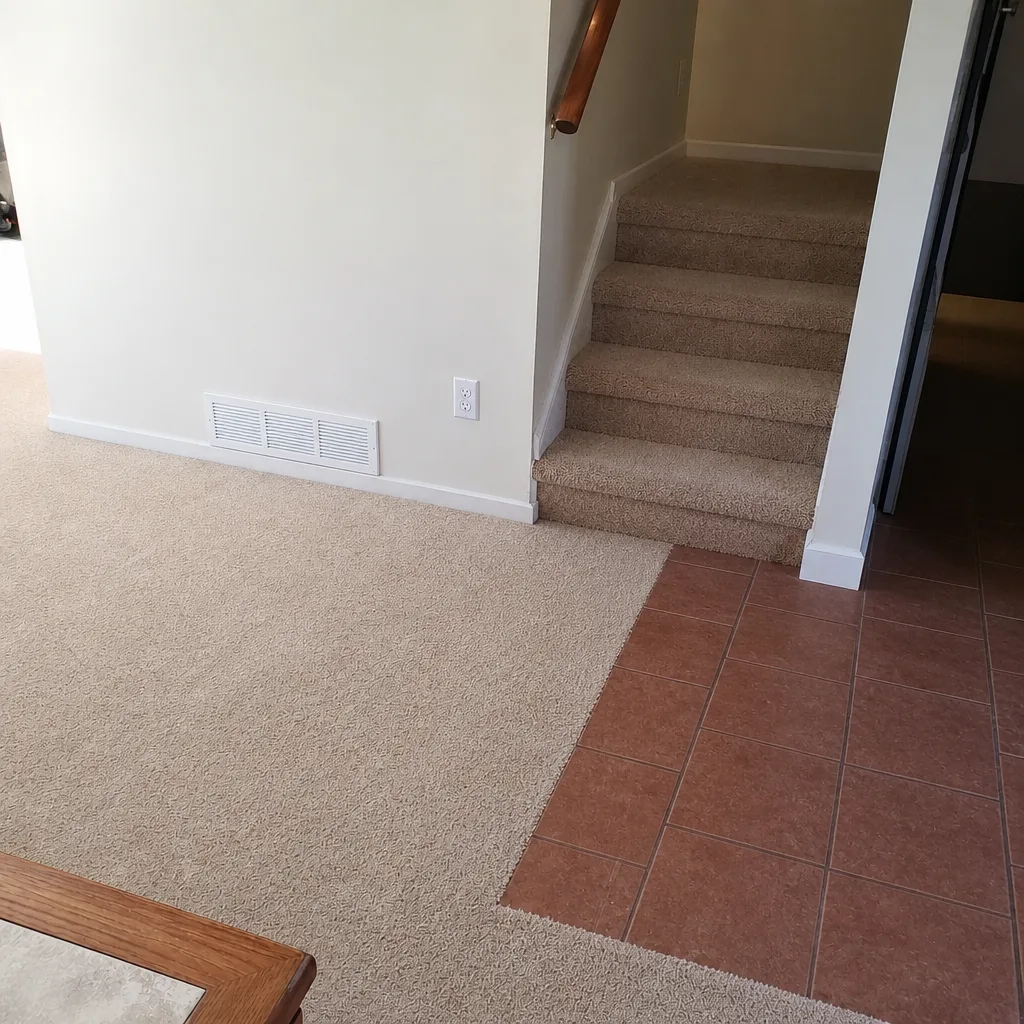 After
Frequently Asked Questions
Yes, but only if it’s actual particulate remediation, not odor treatment. Mechanical agitation and high-volume extraction, using contractor-grade equipment, is what removes the smoke particles; fogging just masks the smell. If your Centennial home went through a smoke event, ask for before-and-after photos and a written description of the extraction method.
Immediately, because mold can start developing on wet duct surfaces within a couple of days. The faster you shut the system down and start drying, the more likely cleaning is enough. If the wet surfaces are insulated liner, replacement may be the only full fix. Call (855) 337-2063 for a free estimate.
Shut it off at the thermostat, close fresh-air intakes and exterior dampers, and keep windows closed. A running system pulls smoky outdoor air into the whole duct network. Once smoke clears, have the ducts inspected before you resume normal operation.
It’s a symptom. The odor means there’s still residue in the duct interior, and residue that’s still there is still being recirculated when the system runs. Treat the residue, not the smell. Call (855) 337-2063 to get a proper inspection.
We’re closed on Saturday. We answer 24/7 by phone, and crews are dispatched Sunday through Friday, 7am to 7pm. If smoke or water affects your home, shut the system down and document the condition first, then call and we’ll book you into the next dispatch window.
Before-and-after photos of the duct interiors, a written summary of what was removed and what was replaced, and a receipt with itemized line items. Those three things carry weight with insurers. Our team provides them as part of every Centennial job.
The Bottom Line
Duct emergencies in Centennial aren’t hypothetical. Wildfire smoke and floodwater are the two biggest ones, and both follow the same first rule: shut the system down before it distributes the contamination through the whole house. From there, the work is documentation, inspection, and remediation that goes deeper than cleaning. Odor treatment doesn’t fix a smoke problem, and cleaning alone doesn’t fix a wet liner. Repair and sealing have to be part of the plan. Line up a qualified specialist before you need one. Know what they’ll charge per system, know what documentation you’ll get, and know exactly who to call on day one. That preparation, before the smoke or the water arrives, is what makes a real difference for a Centennial family.
For a formal service walkthrough, see air duct cleaning. We also handle dryer vent cleaning as part of the same air-pathway coverage.
Call (855) 337-2063 for a free estimate. We answer 24/7. Fast dispatch from 7am to 7pm, Sunday through Friday. Every job is one flat price per system, agreed in writing before work starts, with before-and-after photos of your own ducts when it’s finished.
Written by the team at Air Duct Cleaning Centennial.