
Last updated November 23, 2026
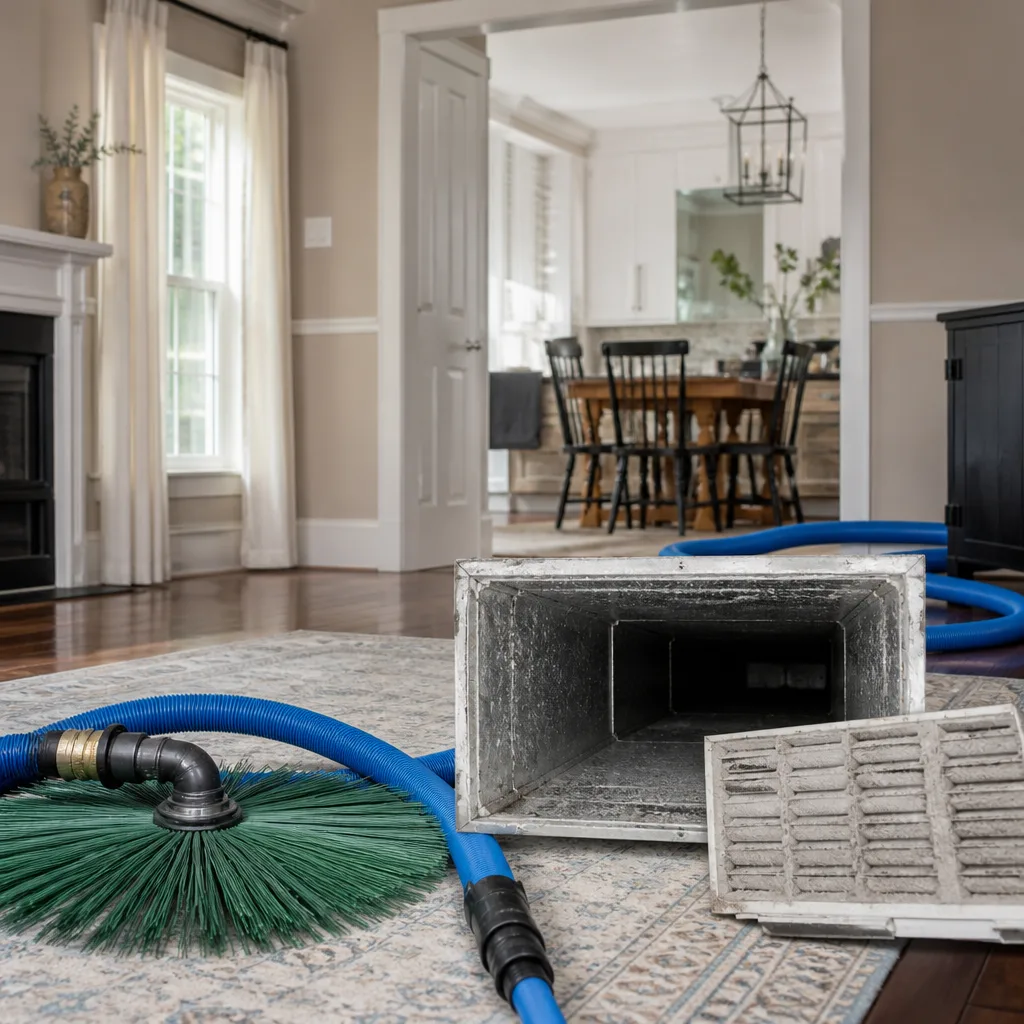 Whole-home duct cleaning
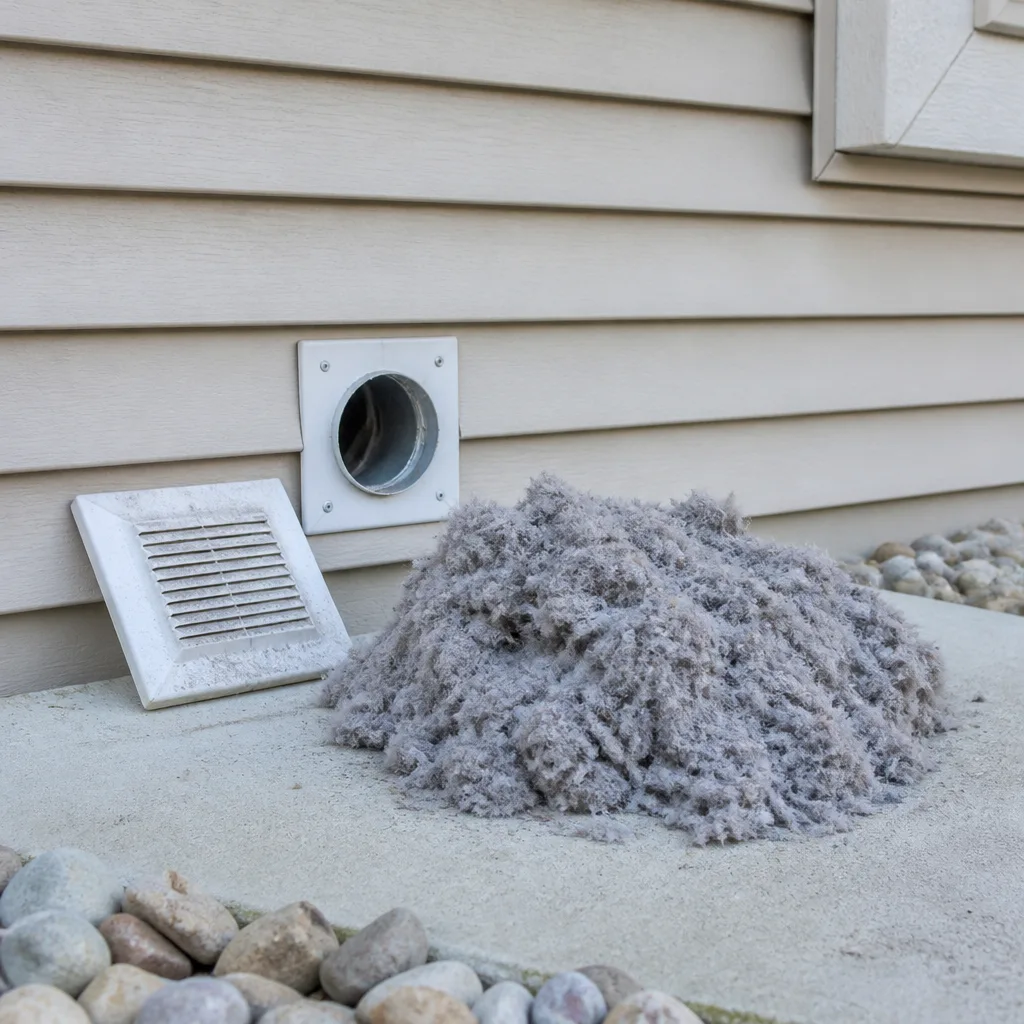 Dryer vent cleaning
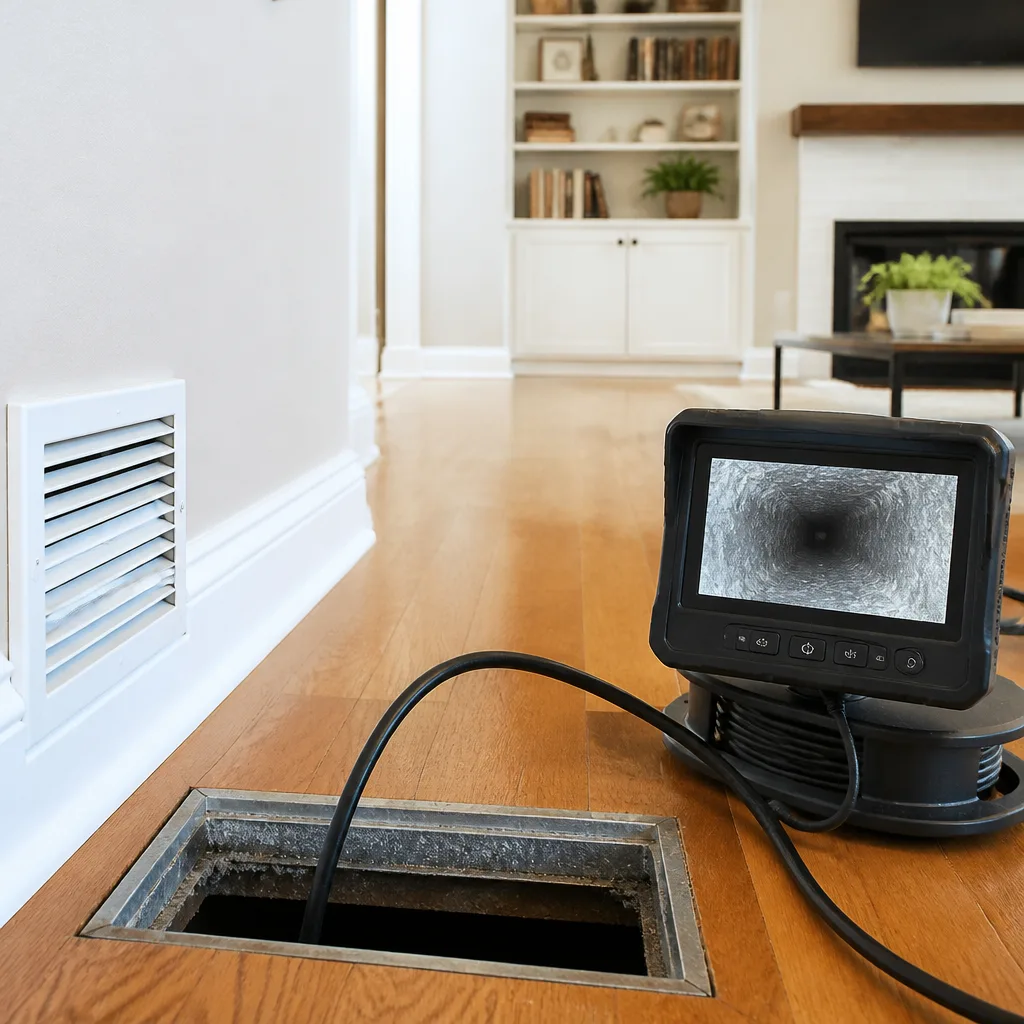 Camera inspection
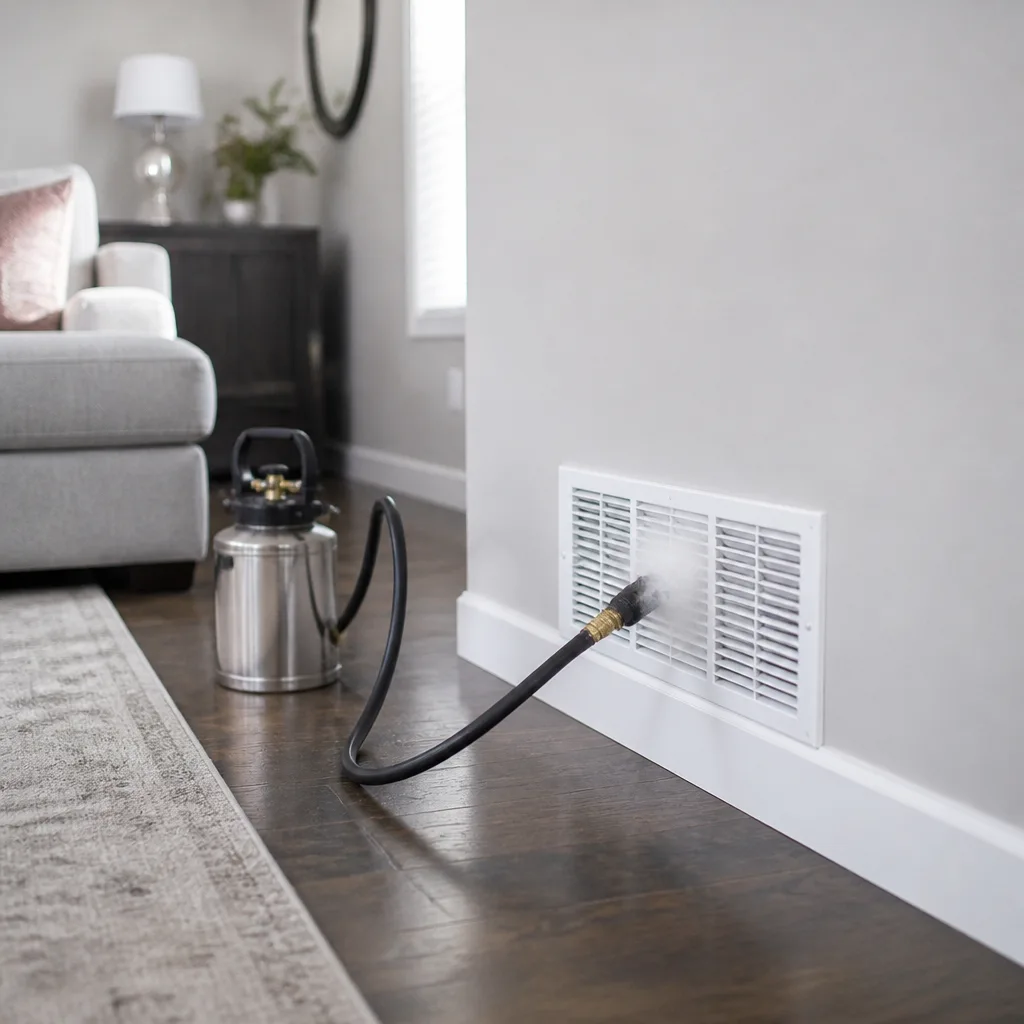 Sanitizing & deodorizing
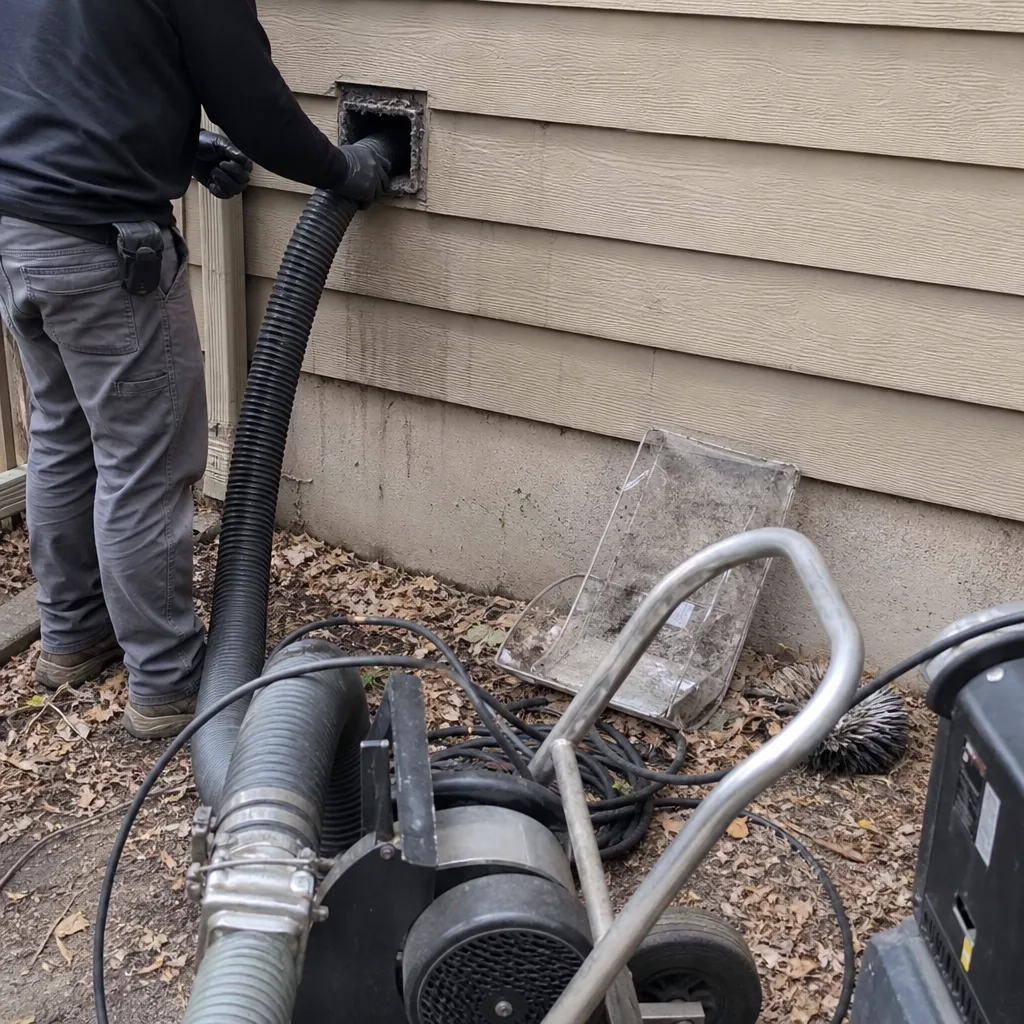
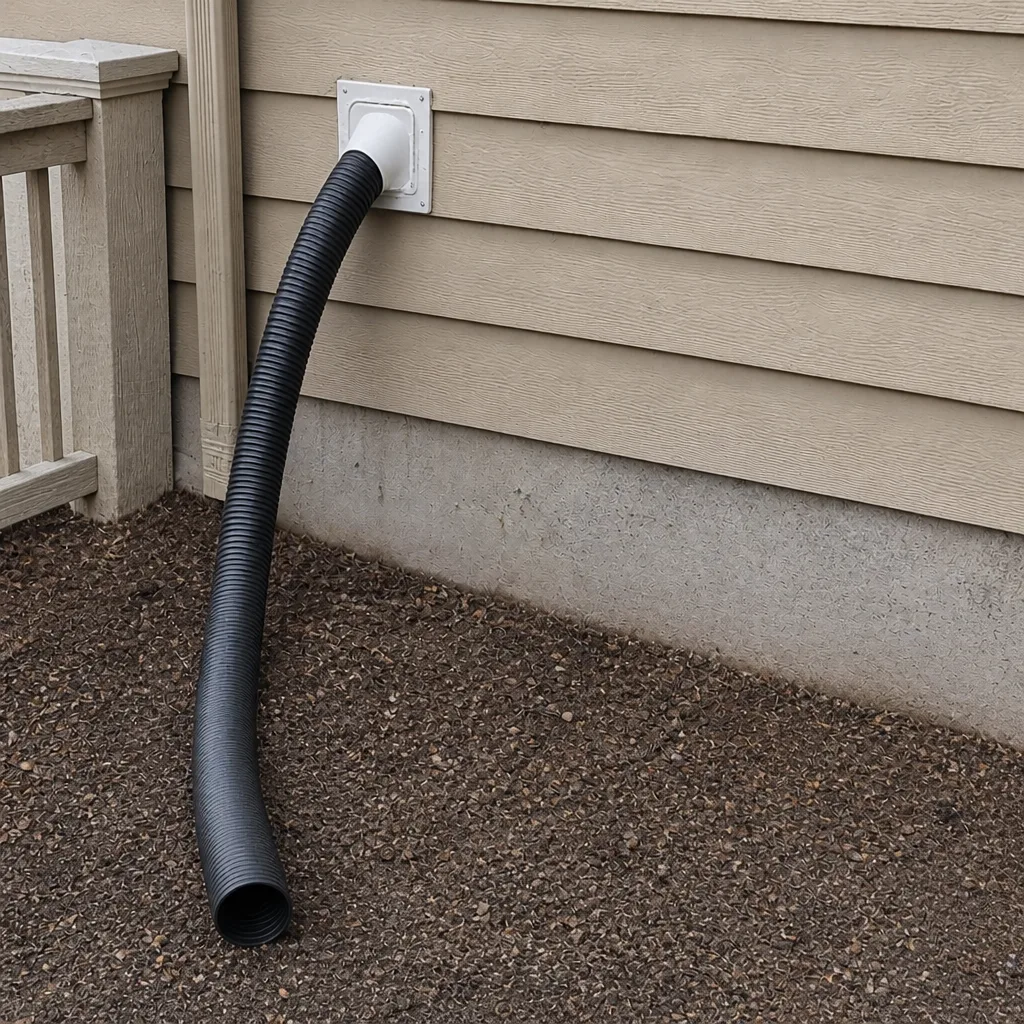
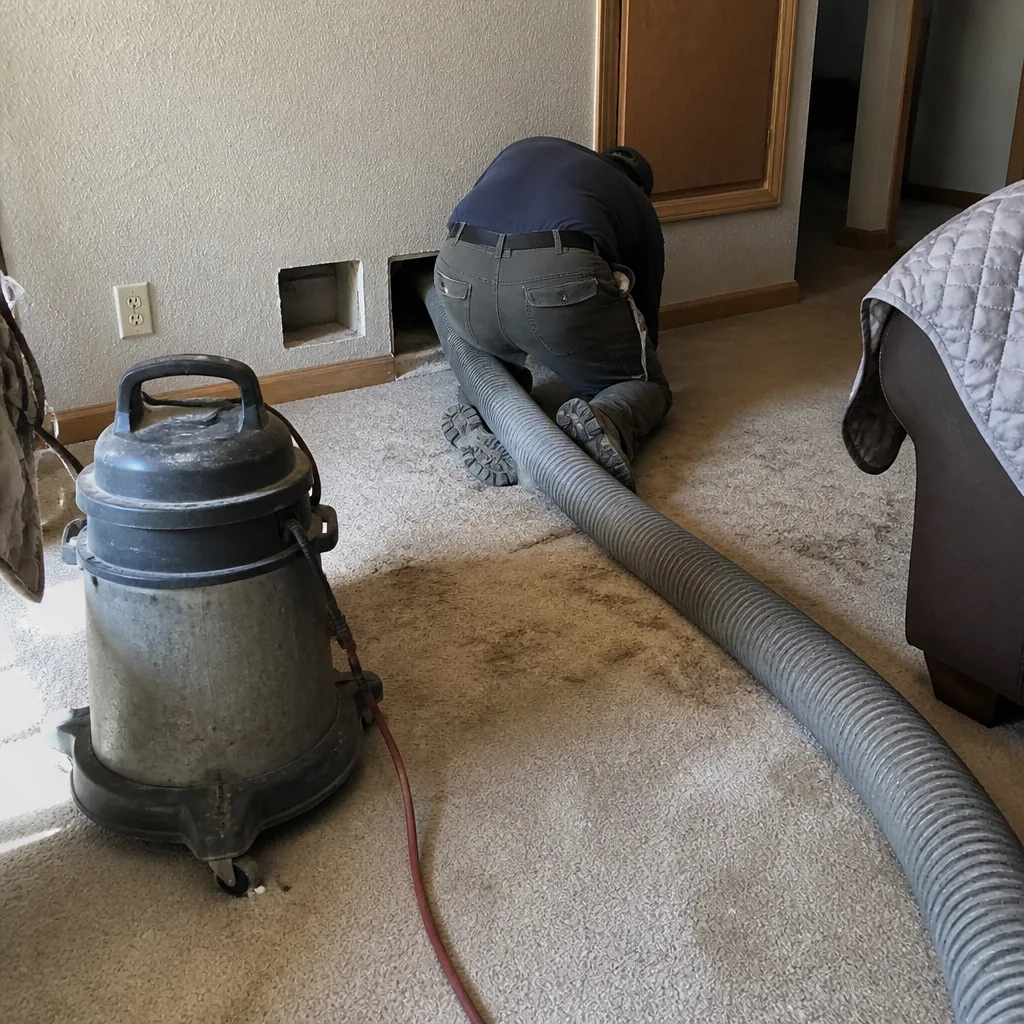
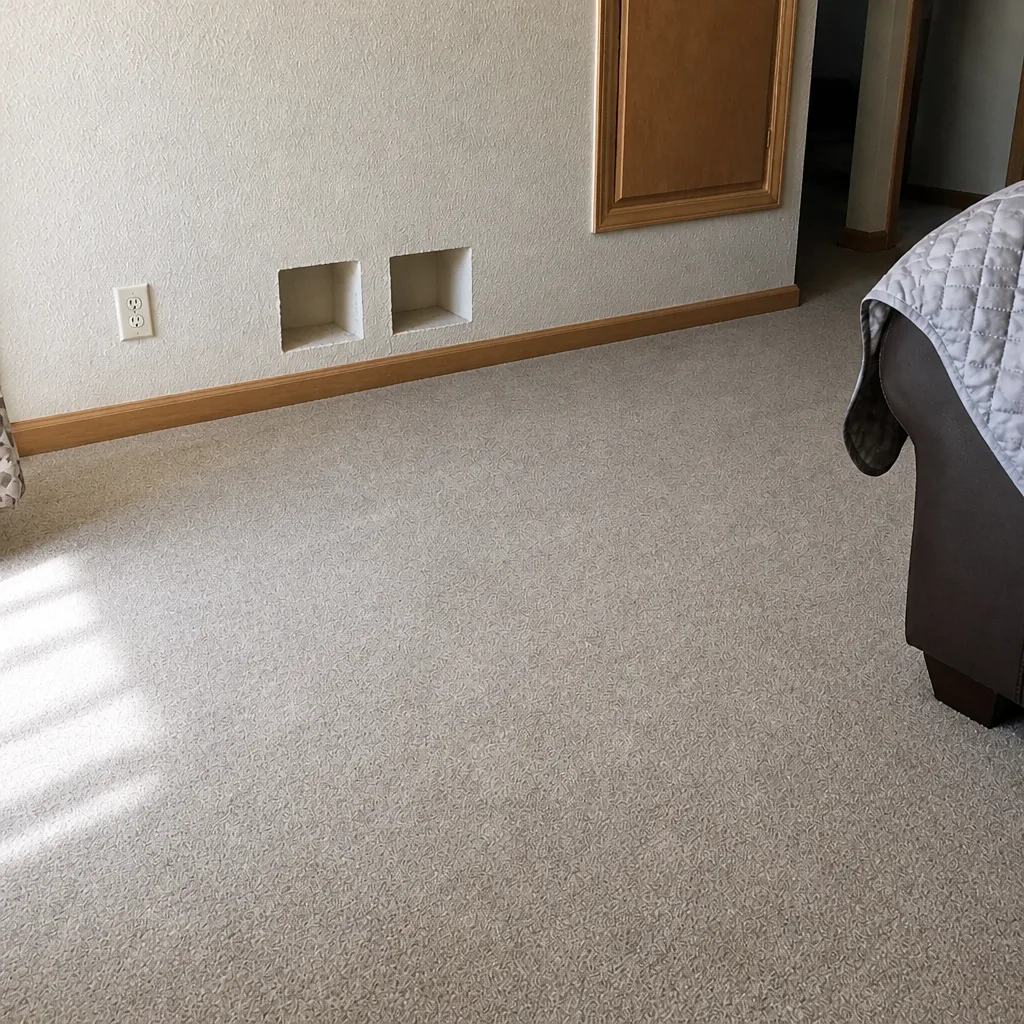
Whole-system duct and dryer vent check with before-and-after photos - you see exactly what came out of your vents
That "$99 whole-house special" is a bait ad - the real number appears once they are in your hallway, or the "clean" is a shop-vac at the register. We photograph the inside of your ducts before and after instead.
Seasonal Air Duct Cleaning Care for Centennial: Year-Round Homeowner’s Guide
Most homeowners treat duct cleaning as a once-a-year chore, usually timed to whenever a coupon shows up or whenever someone in the house starts sneezing. That calendar has nothing to do with how a duct system in Centennial actually loads up. Firing up the furnace in October without looking at ducts that pulled wildfire smoke particulate all summer is one of the most common ways a Centennial homeowner degrades indoor air quality in a single afternoon. What follows is a season-by-season sequence built around the Front Range calendar: what each season deposits in your ducts, which inspection steps matter before the weather changes, and how to decide when a professional cleaning earns its cost for your specific home.
Styles & brands we work with
- Whole-home duct cleaning
- Dryer vent cleaning
- Camera inspection
- Sanitizing & deodorizing
Quick Answer
Air duct cleaning in Centennial works best on a seasonal rhythm, not an annual one. Spring pollen season and summer wildfire smoke load the return side of the system, fall reactivation pushes that accumulated material through every supply register, and winter static makes fine dust cling harder to duct walls. The right time for a professional cleaning depends on your home’s usage: if you run the system hard and keep windows open in summer, you’ll want service sooner than a home that runs a tight, filtered HVAC cycle.
Table of Contents
- Why Centennial’s Climate Demands a Seasonal Approach
- Spring: What Pollen Season Does to Your Return-Air Ducts
- Summer: How Wildfire Smoke Behaves Differently Than Household Dust
- Fall: Pre-Heating-Season Inspection Steps
- Winter: Static, Dry Air, and Dust Adhesion
- How to Decide Which Season Is Right for Your Cleaning
- Common Mistakes to Avoid
- When to Call a Professional
- Frequently Asked Questions
- The Bottom Line
Why Centennial’s Climate Demands a Seasonal Approach
Centennial sits on the western edge of the Front Range, which means the local climate swings through four genuinely different stressors rather than one steady one. Homes here see a spring pollen surge from the cottonwood and grass growing along the High Line Canal and through nearby parks like deKlerk and Willow Spring, a summer that can bring weeks of wildfire smoke drifting down from the mountains, a fall where the first cold snap arrives quickly, and a winter with very low indoor humidity because the outside air is already dry. Each of those stressors hits a different part of the duct system.
Duct systems aren’t sealed boxes. The return-air side pulls air from the living space, and that air carries whatever is suspended in it: pollen, smoke particles, dust, pet dander, fibers. Filters catch some of it. The rest settles on duct walls, especially at joints, plenum transitions, and the horizontal runs that push air through longer stretches of attic or crawlspace. Once material settles, it doesn’t leave on its own. It sits there until airflow disturbs it, humidity loosens it, or a professional extraction system pulls it out.
That’s why the timing of a cleaning matters. Cleaning a duct system in early spring, before the pollen season, gives you a clean starting point. Cleaning in October removes the summer’s deposit before the heating season pushes it through every room. Both are defensible choices, but the reasoning is different, and the right answer depends on your home. Let’s walk through the year.
What changes month to month in a Centennial home
- Exterior particulate load (pollen, smoke, dust from wind events) rises and falls through the year, and each type settles differently inside ducts.
- Airflow direction shifts as the system moves from cooling mode to heating mode, which changes where debris accumulates.
- Indoor humidity drops significantly from fall through spring, which changes how fine dust sticks to duct walls.
- Filter loading rate changes as the system runs more hours in summer and winter than in the mild shoulder seasons.
The practical takeaway: a once-every-few-years cleaning schedule needs to be paired with seasonal inspections so that the cleaning itself lands where it does the most good for the air you’re actually breathing.
Spring: What Pollen Season Does to Your Return-Air Ducts
Cottonwood and grass pollen dominate Centennial’s spring, and the way that pollen enters a home surprises most homeowners. Pollen grains are small enough to ride surface airflow and filter bypass. When windows are open on a warm April or May afternoon, pollen enters through the screens and settles on floors, furniture, and then gets drawn into the return-air grilles on the next furnace or fan cycle. From there it travels down the return trunk and starts sticking to duct walls, typically where the duct widens at the plenum and along any run with slow air speed.
What makes pollen different from ordinary dust is stickiness. Pollen grains are coated with a waxy outer layer and carry a natural electrostatic charge, so they cling to metal and flex duct walls in a way that standard dust doesn’t. In our experience, spring pollen season is the single biggest driver of return-side accumulation in Centennial homes that open their windows for any stretch of the warm months.
Spring steps that pay off
- Check and change the filter before pollen season starts (late March or early April). A clean filter catches more pollen at the source and reduces how much reaches the duct walls.
- Look at the return grilles every couple of weeks. If you can see grey or yellowish buildup on the grille face, that’s a sign of pollen and dust loading that’s getting into the ducts behind it.
- Keep windows open in bursts, not all day. Short airing cycles in the morning when pollen counts are lower limit what gets pulled into the return system.
- Schedule a professional inspection if you’ve noticed recurring spring allergy symptoms that follow you room to room, not just when the windows are open.
This is also the season when a proper air duct cleaning makes the strongest case for itself: the return trunk is at the start of the season’s biggest deposition load, and a clean system combined with fresh filters gives you the best air quality of the year heading into summer. If your ducts are older or you’ve never had them inspected, spring is the moment to establish a baseline.
Summer: How Wildfire Smoke Behaves Differently Than Household Dust
Summer in Centennial means the system runs nearly continuously in cooling mode, and depending on the fire season, could mean weeks of wildfire smoke drifting in from the mountains and the Western Slope. Smoke particles are far smaller than household dust: many fall in the fine and ultrafine range, which means they pass through standard filters more easily and settle deeper into the duct system than a heavier dust particle would. Once settled, smoke particulate doesn’t just sit on the duct wall as a visible layer. It binds to existing dust and organic material (including any light biofilm or mold spores that are present) and can leave a persistent odor in the duct system that comes back every time the system cycles on.
The bigger issue is bypass. During smoke events, when windows stay shut and the system runs on recirculation, any gap in the duct system (a loose joint, a disconnected flex collar, a failed seal at a register boot) becomes an entry point for smoke-laden air that never saw the filter. That’s why duct repair and sealing and cleaning are connected problems, not separate services. Cleaning a duct system that’s still leaking smoke through the seams only buys you a few weeks before the accumulation comes back.
How smoke particle behavior changes the cleaning calculus
- Standard filters are not designed to capture ultrafine particles. A MERV-rated filter upgrade helps, but the duct chambers downstream are still loading up.
- Smoke smells embed in porous material. Flex duct and any exposed insulation in the system hold odor longer than sheet metal, and surface wiping alone doesn’t remove it.
- The air handler and evaporator coil collect smoke film. An HVAC cleaning (not just duct cleaning) is often the right call after a heavy smoke season.
- Static charge increases particle adhesion. Fine particles with an electrostatic charge stick to duct walls more tenaciously than dry dust.
We lean on Rotobrush and Nikro systems for smoke-season cleaning because the mechanical agitation plus high-volume negative-pressure extraction removes fine particulate that vacuuming alone leaves behind. Post-cleaning, we move to air quality and sanitizing work with Guardsman-grade products to address the residual odor and biofilm that smoke season can leave in the system. If your home is dealing with a heavier contamination scenario (visible mold growth at a register, persistent odor, or a documented air quality concern), our Abatement Technologies alignment lets us approach it as remediation rather than routine cleaning.
One detail worth knowing: if you’re already running a HVAC cleaning during summer, that’s the right season for it. The cooling coil, blower wheel, and condensate pan collect dust and moisture-film during the cooling months, and cleaning them in July or August is more effective than waiting for fall.
Fall: Pre-Heating-Season Inspection Steps
The single most consequential moment for a Centennial duct system is the first furnace run of the year, usually mid-October. Every particle that settled in the duct system during the summer pollen and smoke seasons gets picked up, sent through the supply network, and delivered into every room. If the system wasn’t cleaned before that first cold morning, the homeowner’s first indoor air experience of the heating season is a concentrated dump of six months of accumulated material.
This is why we treat fall as an inspection season, not a cleaning season. You don’t necessarily need a cleaning every fall. You need to know where your system stands before the heating cycle kicks on and starts pushing everything through the house.
Pre-heating-season inspection checklist
- Change the furnace filter before the first run. If the filter hasn’t been changed since spring, it’s loaded with pollen and dust. Replace it, and note the date.
- Look at each supply register with a flashlight. Visible darkening, buildup on the louver face, or dust plumes when the fan starts are indicators the duct behind it needs attention.
- Sniff the first cycle. A musty or smoky smell in the first 15-20 minutes of operation is a strong indicator of accumulated material in the system.
- Check the return-air path. Remove one return grille and look at the duct interior with a flashlight (don’t reach into the duct; sharp edges and the blower are hazards). Heavy visible buildup means it’s time for professional cleaning.
- Confirm the system is sealed. Look for detached flex duct at the plenum, tape that’s cracked or dried out, and register boots that don’t meet the wall or floor cleanly. Any where you can feel air escaping is a leak that bypasses the filter.
- Schedule a professional inspection if any of the above turns up a problem, so it’s addressed before the heating season.
If you’ve got an Aprilaire or Honeywell filtration system on the return trunk, fall is also the time to check that equipment. A media filter cabinet with a saturated filter strings the blower and lets more particulate into the duct system. We carry and service both brands, which lets us connect the cleaning work to whatever whole-home filtration you’re running.
Winter: Static, Dry Air, and Dust Adhesion
Winter in Centennial is dry: indoor relative humidity often drops into the twenties or lower because the outdoor air is already cold and dry, and heating it further drives relative humidity down. That dryness does something counterintuitive to duct systems: it makes dust cling harder. Dry conditions plus the friction of forced air through metal ductwork generate static charge, and that charge pulls fine dust particles out of the airstream and onto duct walls, register faces, and plenum surfaces. Homes that are cold and dry in winter often find more visible dust at the registers than in summer, even when the system hasn’t run more.
Winter is a poor season for a full duct cleaning in most Centennial homes. The system is working hard, airflow is high, and a cleaning pass simply moves a lot of dry material into the air only to see it re-settle. Instead, winter is the season for maintenance that keeps the system stable until spring.
Winter maintenance priorities
- Run a humidifier if you have one. Bringing indoor relative humidity up to the 35-45% range reduces static charge and slows dust adhesion. Smart whole-home humidifiers from Honeywell and Aprilaire are designed to work with the HVAC system, not against it.
- Change filters more often than in shoulder seasons. High-hour heating operation loads the filter quickly; a filter that’s clearly grey or clogged should be replaced, not tapped out.
- Vacuum registers and grilles. Surface cleaning at the register face doesn’t clean the duct behind it, but it does stop accumulated surface dust from being pulled back into the return.
- Watch for condensation or frost issues in unconditioned duct runs, particularly in attic flex runs. In winter a poorly insulated duct can sweat or, worse, freeze on the outer surface and then melt back into the duct material when the system cycles.
- Note any smell or dust pattern you see in winter. It becomes the checklist for the spring or fall cleaning decision.
Winter is also the season to think about the full air pathway in the home, not just the ducts. dryer vent cleaning gets more attention in winter because a clogged dryer vent is a fire risk that gets worse when you’re running loads more frequently. If you haven’t had a dryer vent cleaned in a while, this is the season to do it.
How to Decide Which Season Is Right for Your Cleaning
The honest answer to “when should I clean my ducts” is that it depends on how your home uses the system. Two Centennial homes with the same square footage and the same furnace can genuinely need different schedules. Here’s how to reason through it for your situation.
Choose spring cleaning if:
- You open windows frequently during pollen season and see visible return-side buildup.
- You or a family member has seasonal allergy symptoms that seem tied to indoor air, not just outdoor exposure.
- You want the cleanest air of the year heading into summer smoke season.
- You’re moving into a home (new to you) with no service records.
Choose summer cleaning if:
- You’ve been through a heavy smoke event and notice odor or visible darkening at registers.
- Your HVAC system needs a cleaning (coil, blower, drain pan) alongside the ducts.
- You’ve had a home renovation or major construction that stirred up dust.
Choose fall cleaning if:
- Inspection shows heavy return-side accumulation heading into the heating season.
- You smelled musty or smoky air on the first furnace run last fall and want to fix it before this season.
- You’ve recently had a duct leak found and want to combine cleaning with repair and sealing.
Choose to wait if:
- The last professional cleaning was within the last two to three years and there’s no visible accumulation, no odor, and no air quality complaint.
- You’re on a tight budget and prefer to prioritize filter changes and register cleaning in the short term while you save for a full service.
There’s no universal schedule. What works is a clear cycle of inspection, cleaning, and verification that matches how you actually use your home. A home with pets, multiple occupants, and lots of open-window time in spring tends to need cleaning more often than a two-person household that runs the system on filtered recirculation year-round.
Common Mistakes to Avoid
- Cleaning only the supply side. Return ducts pull in the contamination. If a cleaning crew doesn’t address the return trunk and the plenum, you’re paying to clean half a system.
- Replacing the furnace filter and assuming that’s duct cleaning. Fresh filters help but don’t remove accumulation already on the duct walls. This is one of the most common misalignments we run into in Centennial.
- Cleaning right after a smoke event without addressing leaks. If the duct system is unsealed, smoke-laden air re-enters as fast as you can remove it. Clean and seal together.
- Skipping the post-cleaning airflow check. A proper cleaning is verified by before-and-after photos and airflow measurements, not just a promise that “everything’s been cleaned.”
- Treating a musty smell as seasonal. Odor that returns every heating cycle is not a coincidence; it’s usually microbial growth in the system, and it warrants a professional inspection, not a spray.
- Waiting for the “right season” instead of the “right condition.” Seasonal timing is a scheduling convenience, not a substitute for inspection. If your ducts are heavily loaded now, waiting three months to clean them is a false economy.
- Assuming a coupon price reflects the real cost of a professional cleaning. A very low advertised price usually comes with pressure for add-ons in the home. Whole-system cleaning priced up front, per system, is the honest comparison.
When to Call a Professional
Some signs call for a professional inspection right away. Visible mold growth at a register or supply vent, an odor that returns every time the system runs, a home renovation that produced heavy dust, a duct leak you can feel or see, or an air quality complaint that follows the HVAC cycle rather than the outdoor pollen count: all of those justify a professional visit, regardless of which season it is on the calendar.
Our technicians have up to 11 years of experience reading exactly those signals, and we use contractor-grade Rotobrush and Nikro systems, not consumer machines. Air Duct Cleaning Centennial offers free estimates in Centennial and the surrounding Front Range. Call (855) 337-2063. We answer 24/7. Fast dispatch from 7am to 7pm, Sunday through Friday. The price is set per job by the written estimate, one flat price per system agreed before work starts, with before-and-after photos of your own ducts.
Frequently Asked Questions
Most Centennial homes benefit from professional cleaning every two to three years, with seasonal inspections every year. Homes with pets, multiple occupants, seasonal allergy concerns, or open-window habits during pollen season may need cleaning closer to every two years. Homes with fewer occupants and no air quality complaints can often stretch to three years or more with good filter discipline.
Yes, especially in homes with any duct leakage. Fine and ultrafine smoke particles bypass standard filters, settle deep in duct walls, and can leave a persistent odor that comes back each time the system runs. If you had a heavy smoke season and notice odor or visible darkening, a professional cleaning combined with duct sealing is the most effective fix. Call (855) 337-2063 for an exact quote; estimates are free.
Spring and fall are the two most common seasons because they bracket pollen and smoke season before heating season begins. In practice, the right season is whichever one comes before your next high-load period. If you’re moving into a home you’ve just bought or the last cleaning was three or more years back, clean whenever you’re ready, not on a calendar.
Dry air increases static charge on duct walls, and Centennial’s dry winter air pulls more fine dust out of the airstream and onto surfaces. Running a whole-home humidifier and changing filters more often in winter slows the buildup. It doesn’t replace cleaning, but it reduces how fast the ducts load back up after a cleaning.
No. Opening windows in pollen season usually makes things worse by bringing more pollen into the return-air system. If you want a cleaner indoor air baseline in spring, the sequence is: fresh filter, professional duct cleaning, then a window airing strategy that limits total pollen exposure. Opening windows after cleaning is fine; opening them as a substitute for cleaning is not.
Very low advertised prices usually reflect a partial service (supply-side only, or a quick vacuum pass without extraction), or they’re a lead-in that becomes a larger bill once the technician is on site. Whole-system cleaning at a flat price per system, agreed in writing before work starts, with before-and-after photos, is the honest comparison. Call (855) 337-2063 for an exact quote; estimates are free.
The Bottom Line
Centennial’s climate loads a duct system on four different cycles: spring pollen, summer wildfire smoke, fall heating reactivation, and winter static and dry-air dust. The seasonal guide isn’t about which month is “correct” for a cleaning. It’s about knowing what your ducts are collecting right now, inspecting before the next high-load period, and choosing cleaning timing based on how your specific home uses the system. Combine that with reliable filtration, duct repair and sealing when leaks exist, and post-cleaning verification, and your duct system stays in a state you can actually track. If you’re not sure where your ducts stand, a professional inspection is a low-cost way to find out.
Air Duct Cleaning Centennial provides air duct cleaning, dryer vent cleaning, HVAC cleaning, duct repair and sealing, and air quality sanitizing across Centennial and the surrounding Front Range. Call (855) 337-2063 for a free estimate. Your complete air pathway, start to finish, handled by one team.
Written by the team at Air Duct Cleaning Centennial.
See the difference
 Before
 After
 Before
 After
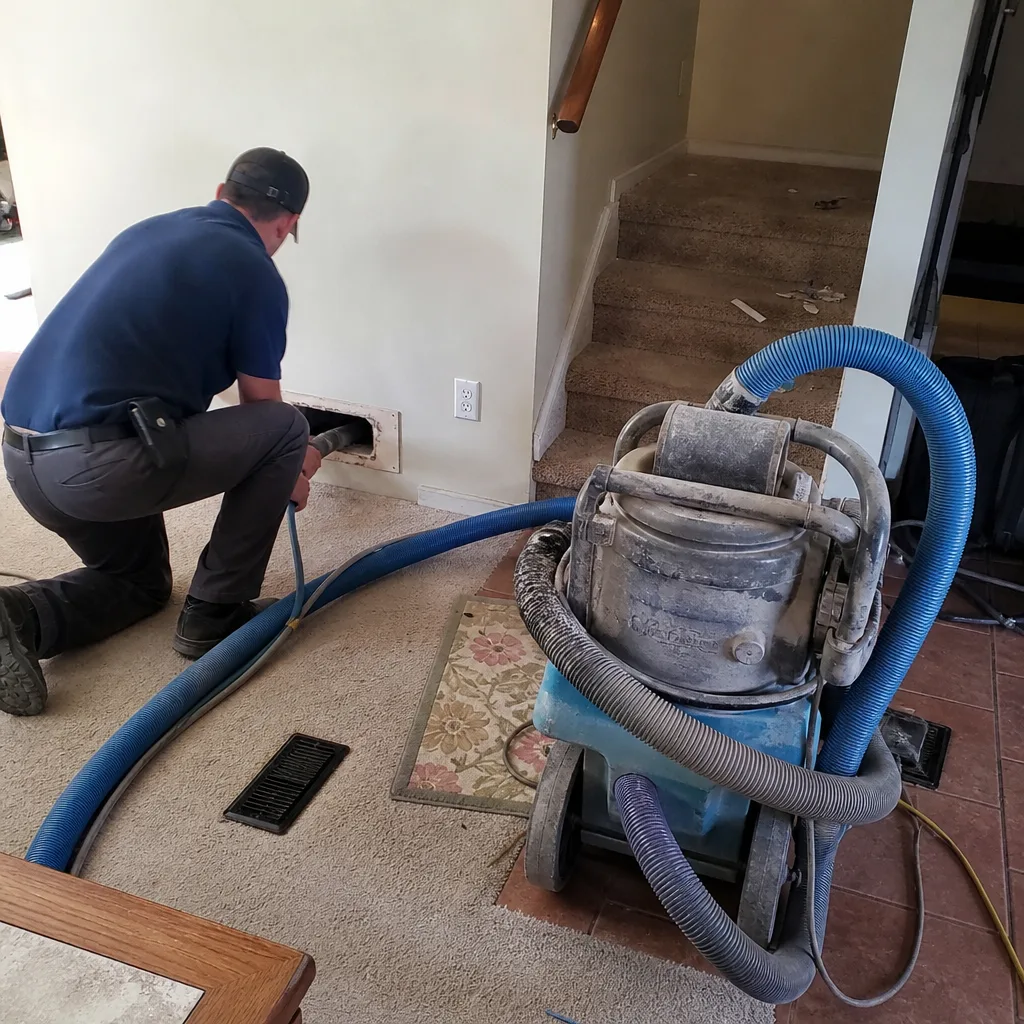 Before
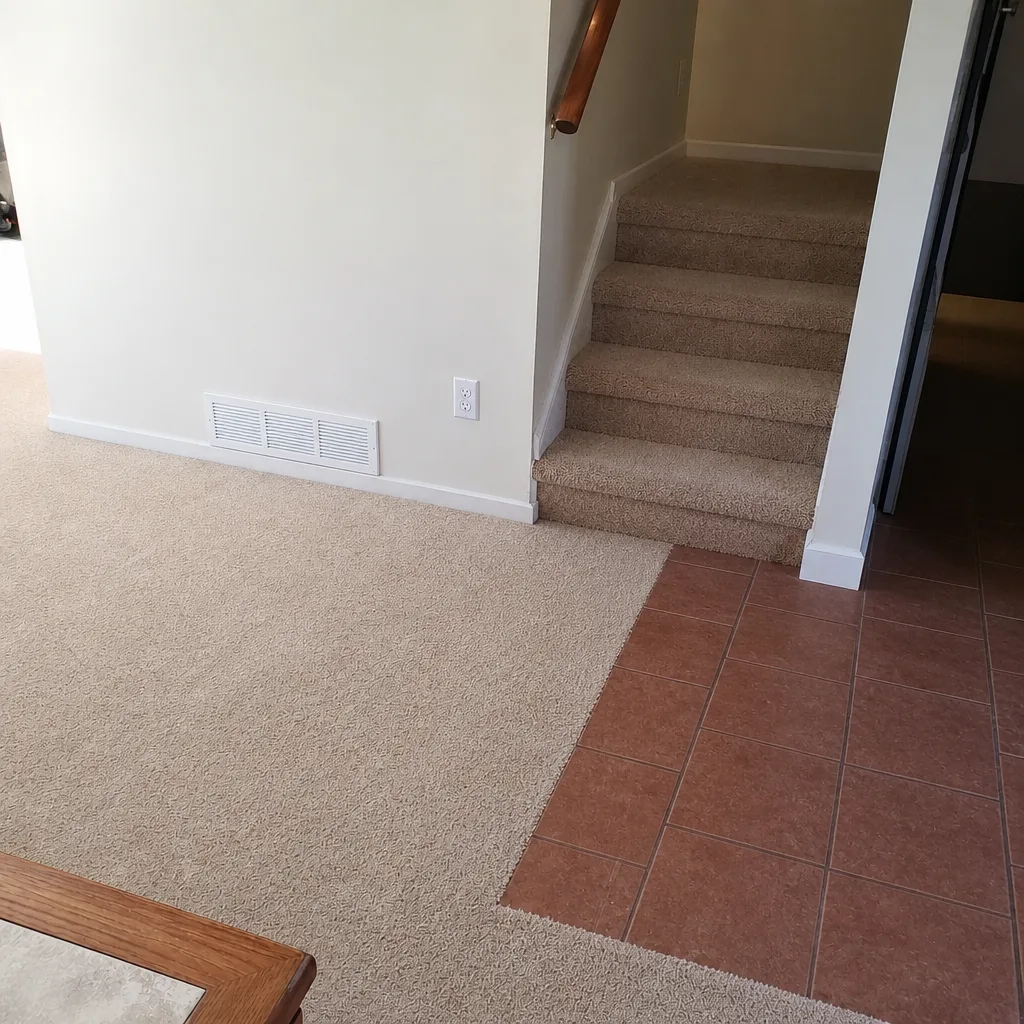 After