
Last updated November 23, 2026
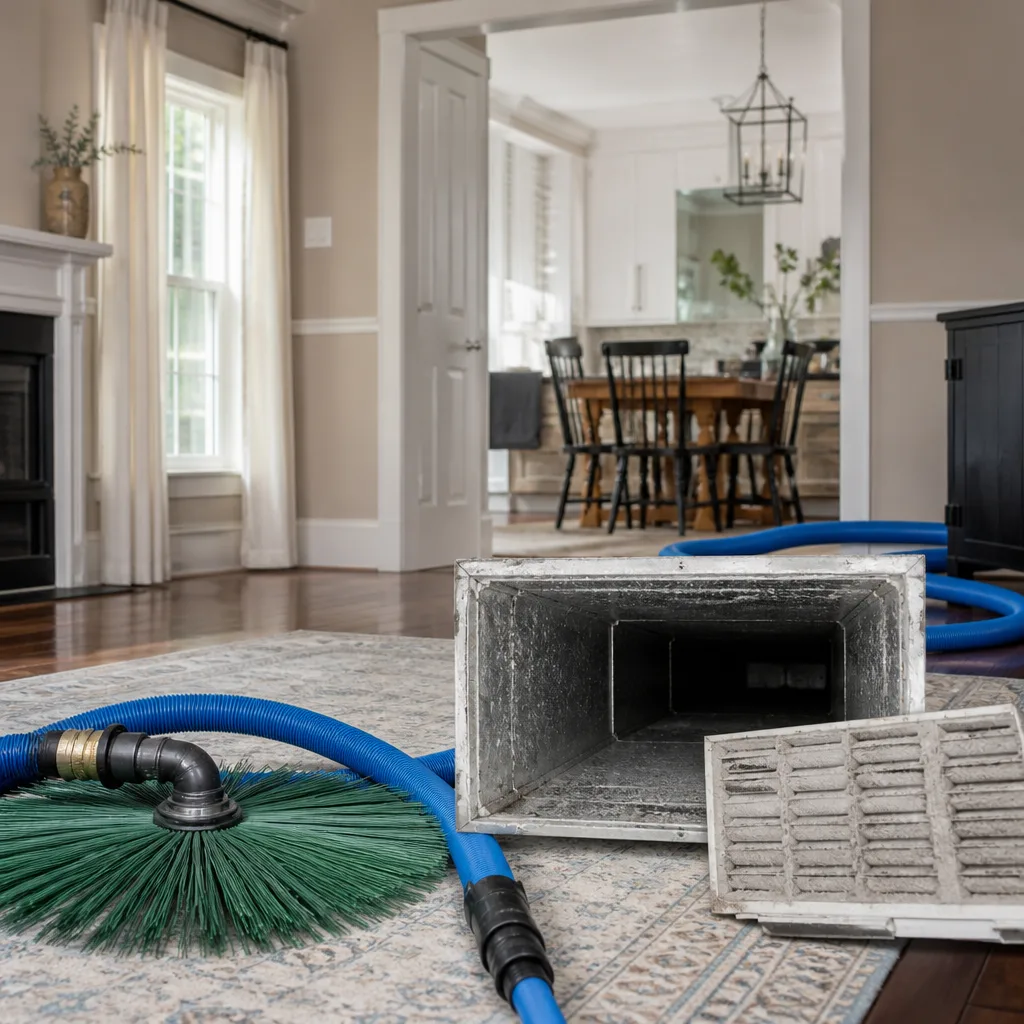 Whole-home duct cleaning
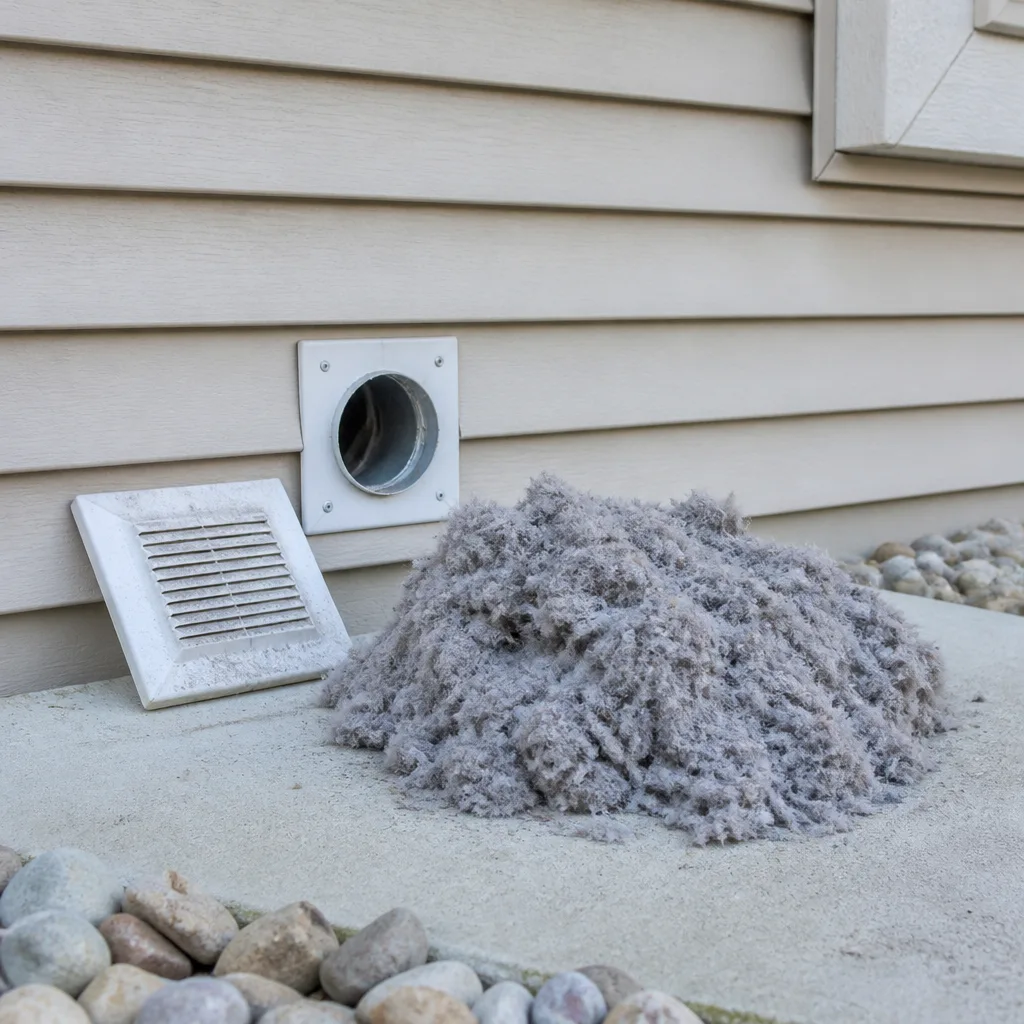 Dryer vent cleaning
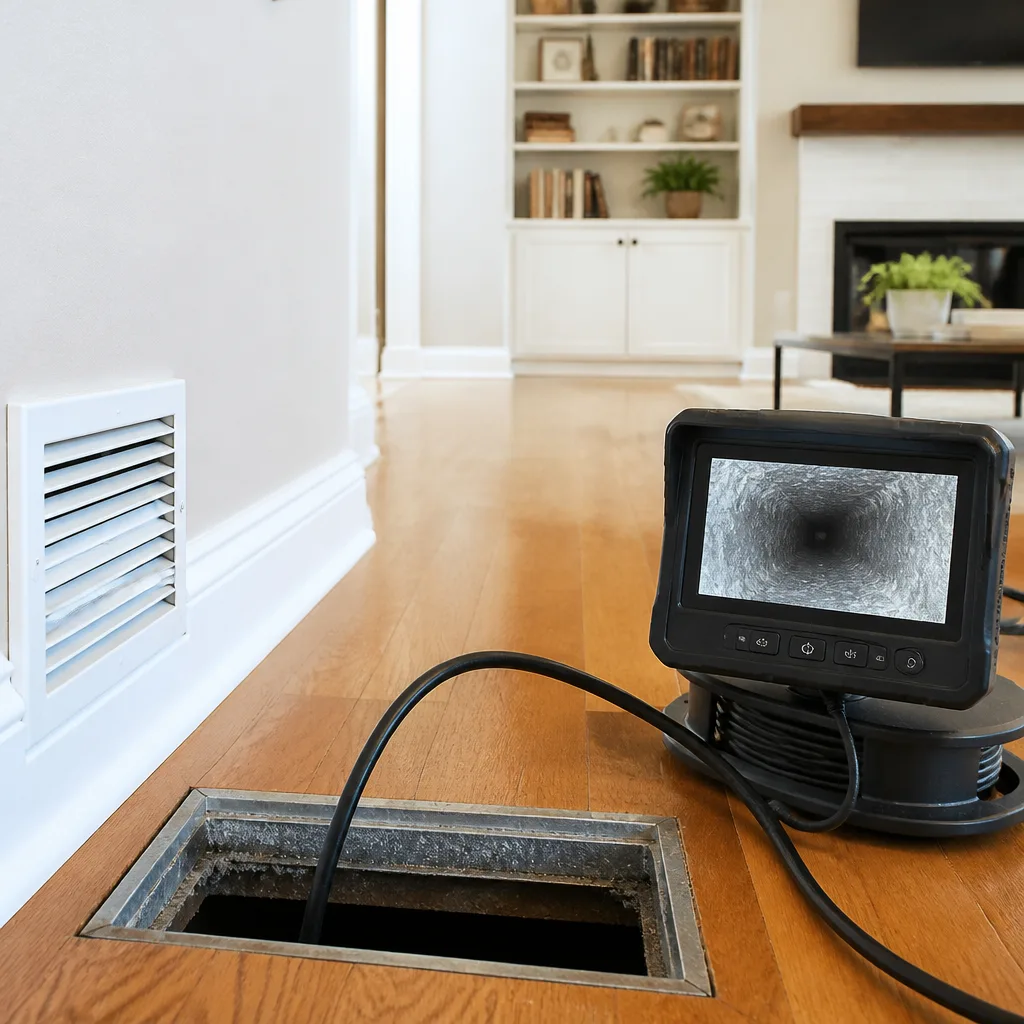 Camera inspection
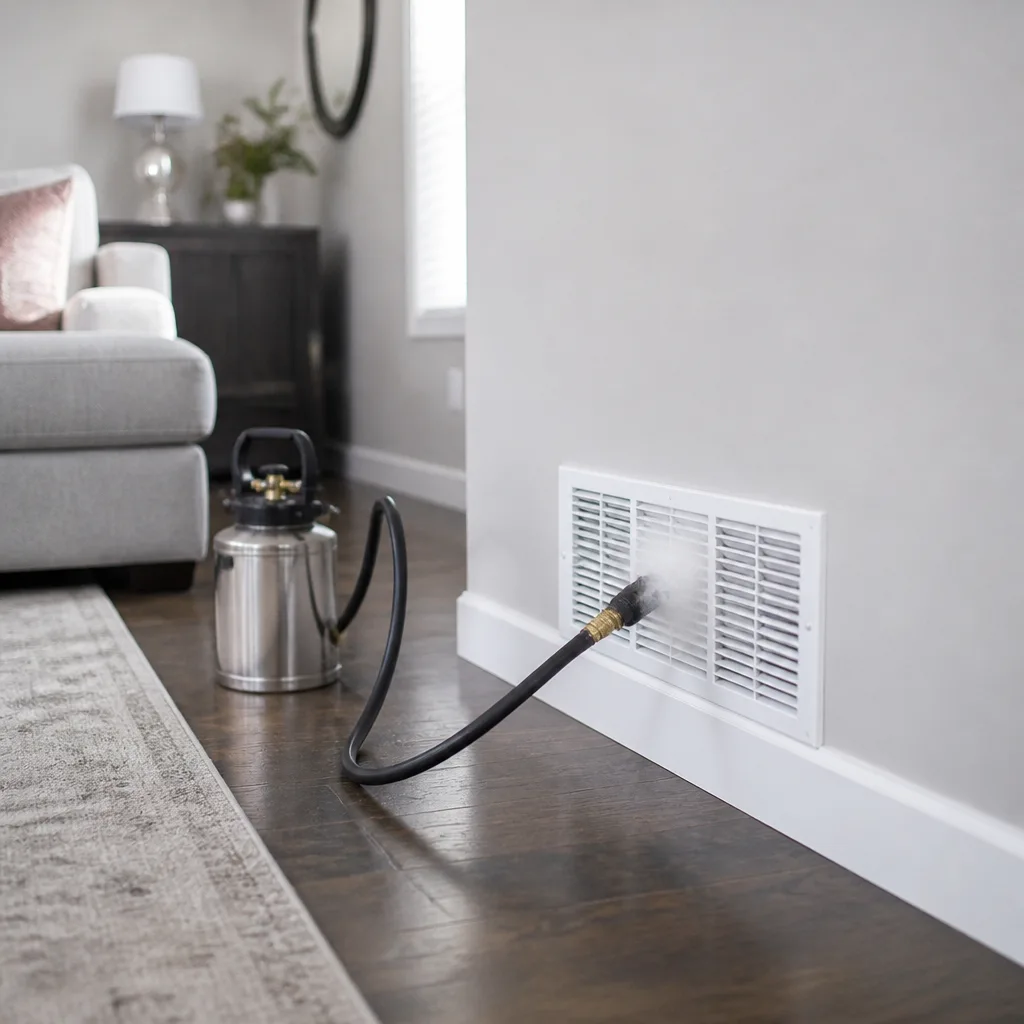 Sanitizing & deodorizing
Whole-system duct and dryer vent check with before-and-after photos - you see exactly what came out of your vents
That "$99 whole-house special" is a bait ad - the real number appears once they are in your hallway, or the "clean" is a shop-vac at the register. We photograph the inside of your ducts before and after instead.
Air Duct Cleaning Permits, Codes & Inspections in Centennial, CO: What You Need to Know
Most homeowners assume duct work never touches a permit. That’s the misconception worth correcting first. If a contractor patches a disconnected duct run without a mechanical permit in Centennial, the liability for that unpermitted work transfers to you as the homeowner, and it surfaces at resale when a buyer’s inspector starts asking for records. Routine cleaning doesn’t require a permit. The moment work crosses into repair, modification, or mold remediation, Colorado code and local Arapahoe County requirements enter the picture. This guide maps where that line sits, who has jurisdiction, and what documentation to request so you’re not caught off guard later.
Quick Answer
In Centennial, routine air duct cleaning does not require a permit, but duct repair, modification of duct runs, or mold remediation inside ductwork may trigger mechanical permit requirements under Colorado building code and Arapahoe County jurisdiction. Always ask your contractor which category their work falls into and request written documentation before work begins.
Styles & brands we work with
- Whole-home duct cleaning
- Dryer vent cleaning
- Camera inspection
- Sanitizing & deodorizing
Table of Contents
- Which Duct Services Are Permit-Exempt in Colorado?
- When Duct Work Triggers a Mechanical Permit
- Centennial and Arapahoe County Jurisdiction: Who Do You Call?
- When Duct Mold Remediation Requires a Licensed Remediator
- Colorado Indoor Air Quality Guidelines for Rentals and Multi-Family
- How to Request Documentation That Protects You
- What a Duct Inspection Actually Covers
- How to Vet a Duct Contractor Before You Sign
Which Duct Services Are Permit-Exempt in Colorado?
Here’s the short version homeowners in Centennial actually need: cleaning alone almost never requires a permit, but anything that changes the physical duct system usually does. The dividing line is whether the work alters the structure of the HVAC system versus restoring it to a serviceable condition.
Services that are typically exempt from permit requirements:
- Routine cleaning and debris removal from existing duct runs
- Dryer vent cleaning (a separate system from the HVAC ductwork)
- Air quality sanitizing treatments applied to already-installed ductwork
- Filter replacements and routine HVAC cleaning of coils, blowers, and accessible components
- Visual inspection with camera equipment
Services that commonly require a mechanical permit or licensed specialty work:
- Adding, removing, or rerouting a duct run
- Reconnecting a disconnected duct in a way that changes its route or size
- Increasing supply or return capacity
- Modifying a duct system during HVAC unit replacement
- Mold remediation inside ductwork that goes beyond surface cleaning
This is where the work gets interesting in Centennial. Homes along the southern and eastern edges of the city, built at higher density during the 1990s and 2000s, often have flex duct runs in attics and crawlspaces where a small contractor will patch a tear or a disconnected boot and call it “duct sealing.” If that patch changes the duct’s routing or capacity, it needs a mechanical permit. If it simply reconnects the same duct to the same boot at the same location, it usually does not. That distinction is the one most homeowners and, candidly, some contractors miss. Our air duct cleaning Centennial team works through this question before any repair is quoted, because the answer determines whether you’re paying for a permit and an inspection or not.
When Duct Work Triggers a Mechanical Permit
Colorado adopts the International Mechanical Code (IMC) through the state building code, and local jurisdictions adopt and enforce it with their own amendments. In practice, the IMC treats the duct system as part of the mechanical system: alterations, additions, and replacements of ducts require a permit, while cleaning, maintenance, and repair that restores function without changing capacity or routing typically do not.
Here’s how to decide whether your project needs a permit, in five steps:
- Identify the work type. Is it cleaning, repair, modification, or replacement? Each has a different threshold.
- Ask whether capacity or routing changes. If a duct’s size, route, or number of outlets changes, treat it as a permit project until the building department tells you otherwise.
- Call your city’s building department first. A five-minute call to Centennial’s building division settles most questions. Ask specifically about “mechanical permit for duct modification.”
- Get the contractor’s answer in writing. The permit responsibility should be explicit in the written estimate: either “no permit required for this scope” or “permit included.”
- Keep the record. Save the permit number or the contractor’s written determination with your home records.
When a permit is required, expect a mechanical inspection after the work. The inspector will verify duct sizing, connections, support, and sometimes airflow. That inspection is where a duct repair either holds up or gets flagged. Duct repair and sealing around existing systems is different from duct modification, and a contractor who understands the difference will quote you correctly the first time. If you’re unsure which category your project is in, ask before signing anything.
Centennial and Arapahoe County Jurisdiction: Who Do You Call?
Centennial is one of the unusual Colorado cities that contracts many of its municipal services through Arapahoe County. That affects where permits and inspections are handled, and it’s a source of genuine confusion for homeowners who call the wrong office first.
How to figure out who has jurisdiction:
- Start with the City of Centennial. The city’s building division or their published building services line is the front door. In many cases they’ll route you to the county or a contracted agency that handles their permitting.
- The Arapahoe County building department handles unincorporated areas of the county and, in some cases, permits issued on behalf of Centennial under an intergovernmental agreement.
- Homeowners’ associations often add their own layer. Many Centennial HOAs require exterior or mechanical change approvals before work starts, regardless of what the city requires.
- Multi-family and rental properties may have additional property-management documentation requirements, covered in the section on Colorado’s indoor air quality guidelines.
For duct cleaning and routine dryer vent cleaning, none of this usually matters. But the moment a duct repair, HVAC change, or mold remediation is on the table, jurisdiction matters. In our experience helping Centennial homeowners work through duct issues, the cost of making two phone calls before work starts is far lower than the cost of discovering mid-project that the permit came from the wrong office. Ask the city first, and if they say the county handles it, get the county contact from them directly.
When Duct Mold Remediation Requires a Licensed Remediator
Not all duct “cleaning” that touches mold is legally the same as mold remediation. In Colorado, remediation of mold growth beyond a limited threshold is typically treated as a specialty service that involves containment, removal of porous materials, and post-remediation verification. That’s a different scope from cleaning the interior of ductwork with antimicrobial products.
A useful way to think about the three tiers:
- Preventive sanitizing. Cleaning the duct interior and applying a sanitizing product. Common, no special remediation license typically required.
- Surface mold inside ductwork. Visible mold on the duct wall, usually tied to a moisture source. Cleaning is part of the fix, but the moisture source has to be addressed.
- Active mold growth with moisture intrusion. Requires a licensed remediation professional in many cases, containment protocols, and post-remediation testing to confirm the air is clear.
We see the second tier most often in Centennial. The city sits in the high plains where dry summers and cold winters create a large indoor-outdoor temperature differential, and that differential is hard on duct systems. Condensation can form on cold ducts in summer and on poorly insulated ducts in winter, and every summer thunderstorm season adds humidity spikes. When ducts are in unconditioned attic space, moisture forms where warm air meets a cold surface, and that surface can be the outer jacket of a duct sitting against a cold ceiling penetration. The result is often a few patches of surface growth, not a full remediation project, but the two require very different paperwork.
The tool that matters: air quality analysis equipment like the systems we use from Abatement Technologies, which signals capability for contamination-level work rather than a surface wipe. When you’re vetting a duct cleaner for a mold question in Centennial, ask which tier of work they’re quoting. If they’re pricing a “full remediation” without moisture readings and post-remediation verification, ask why. If they’re pricing a “cleaning” when you have visible mold and unexplained moisture, ask how they plan to address the source.
Colorado Indoor Air Quality Guidelines for Rentals and Multi-Family
Colorado’s indoor air quality framework is built around several pieces: a landlord’s duty under the warranty of habitability to keep rental units fit and habitable, a tenant’s right to reasonable repairs, and specific state guidance on ventilation and moisture in buildings. For rental and multi-family properties in Centennial, that means duct work is a shared-system responsibility, not purely a landlord’s private choice.
What that looks like in practice:
- Shared duct systems in multi-family buildings connect units, which means contamination in one part of the system can affect others. Cleaning and inspection schedules are usually the landlord’s responsibility under the habitability duty.
- Mold and moisture issues that affect tenant health typically require the landlord to act within a reasonable timeframe after written notice, and documentation from a contractor is often part of what makes that notice actionable.
- Dryer vent systems in multi-family properties are a fire-safety concern separate from air quality, and cleaning those systems regularly is standard property management practice.
- Renters with documented health conditions (asthma, allergies) may have grounds to require the landlord to inspect and, if needed, remediate duct contamination.
If you own a rental or a multi-family property in Centennial, keep records of duct cleaning, sanitizing, and repair visits. That record is what a tenant or, in a dispute situation, a property manager or attorney will ask to see. Homeowners in single-family properties have more discretion, but the same documentation habit works in your favor at resale. The air duct cleaning process itself is straightforward, but the paper trail behind it is what carries weight when questions arise.
How to Request Documentation That Protects You
The single most useful habit for homeowners in Centennial is to request documentation up front, not after the work. A contractor who can produce paperwork clearly is also a contractor who knows the rules.
Ask for these seven items before work begins:
- Written scope of work in plain language: what’s being cleaned, repaired, sealed, or sanitized, and in which rooms.
- Whether the work falls inside or outside permit-required scopes, with the contractor’s reasoning if no permit is required.
- Before-and-after photos of your own ductwork, not stock images. Photos of your ducts are how you verify the work was done in your home.
- Equipment and products used by name. Contractor-grade systems like Rotobrush and Nikro, or products like Guardsman sanitizers, are things you can verify.
- A written statement of what’s included in the price and what’s not, so there are no “extra” line items later.
- The contractor’s state registration or license status for any work requiring it. For duct cleaning in Colorado, this is typically not a state-licensed trade, but mold remediation and mechanical work often involve licensed subcontractors. Ask.
- A satisfaction guarantee in writing, with the specific remedy if the work doesn’t meet the scope.
The reason this matters: if the work later triggers a permit question at resale or during an insurance claim, the paper trail you kept is the difference between resolving it in an afternoon and a weeks-long dispute. In our experience, the homeowners who ask for these seven items up front rarely have problems after the job. The ones who sign a coupon and hope for the best are the ones who call us later to ask what went wrong.
What a Duct Inspection Actually Covers
Duct inspection is not the same as duct cleaning. Cleaning removes debris; inspection evaluates the condition of the system itself, including parts you can’t see from the register. A full inspection is usually included as part of a professional cleaning, but the depth of the inspection varies widely between contractors. Here’s what a thorough inspection covers.
The inspection process, in steps:
- Visual and camera inspection of supply and return runs, using a camera on a flexible rod to see inside duct interiors and around bends.
- Connection check at every boot, joint, takeoff, and plenum, looking for disconnects, tears in flex duct, and gaps that pull air from unconditioned space.
- Airflow measurement at registers to identify restricted or over-pressured runs.
- Moisture check on duct interiors and outer jackets, particularly in attic runs, to find the source of any condensate or growth.
- HVAC unit inspection of the blower, coil, and filter housing for contamination that’s reaching the ducts from the equipment side.
- Written findings with photos and specific recommendations, separated into “cleaning” and “repair” categories.
When that inspection turns up issues, that’s where a duct contractor’s full air pathway coverage matters. Cleaning around a disconnected duct doesn’t fix the disconnected duct. Repair and sealing does. That sequence, inspect, repair, clean, sanitize, is the one we follow because it addresses the cause rather than the symptom. The same logic applies whether the issue is fiberglass contamination, water intrusion, or a duct system that’s been pulling air from a crawlspace for a decade: the air you breathe in a Centennial home passes through the system as it is, not as it should be.
How to Vet a Duct Contractor Before You Sign
Most of the industry’s bad outcomes trace to the same source: a low headline price that becomes a much larger invoice once the technician is on site. The fix is straightforward. Ask three questions before you sign, and don’t accept vague answers.
Question one: is the price per system or per vent? A fair quote is a flat price per system, agreed before work starts. A per-vent price either underestimates the job (and grows on site) or underestimates your ducts (and leaves half of them uncleaned). If a contractor quotes per vent, ask how many vents they’re counting and what happens if the count is different once they’re on site.
Question two: what equipment will be on site? Professional-grade equipment, not consumer shortcuts, is the first credibility signal. Rotobrush and Nikro systems are the same equipment trusted by commercial contractors, and they’re what we bring to residential jobs. Entry-level vacuums with a long hose don’t produce the same result.
Question three: what’s the documentation trail? Before-and-after photos of your own ducts, a written scope, and a stated satisfaction guarantee. If those three aren’t offered, the price isn’t the real issue. The HVAC cleaning work, duct cleaning, repair, and sanitizing all belong under one scope when they’re done right, and one written estimate should reflect that.
Common Mistakes to Avoid
- Signing a coupon quote without a written scope. The coupon covers a surface clean; the technician on site discovers your ducts need real work. Ask for the written scope first, then compare prices. The comparison is what makes the quote meaningful.
- Assuming every duct repair needs a permit. Most repairs that restore a duct to its original configuration don’t require one. But assuming the opposite, and skipping the question entirely, is how homeowners end up with unpermitted work that surfaces at resale.
- Letting a cleaner handle mold without asking about remediation tier. Surface sanitizing and full mold remediation are different scopes with different requirements. Ask which tier you’re being quoted in Centennial before you agree.
- Skipping the moisture source. Cleaning without fixing the moisture that caused the growth means the growth returns. A comprehensive duct service identifies the source, whether that’s an unsealed attic penetration, a disconnected flex run, or a condensate issue at the air handler.
- Not getting before-and-after photos of your ducts. Photos are how you verify the work happened. Stock photos aren’t proof; real ones from your home are.
- Choosing on price alone in a Centennial market where duct quality varies. A cheap quote and a fair quote can look similar on paper. They rarely look similar when you inspect the results two years later.
- Overlooking your HOA’s approval requirements. Many Centennial HOAs require approval for any mechanical work visible from outside or involving common systems. A quick HOA email before work starts avoids problems later.
See the difference
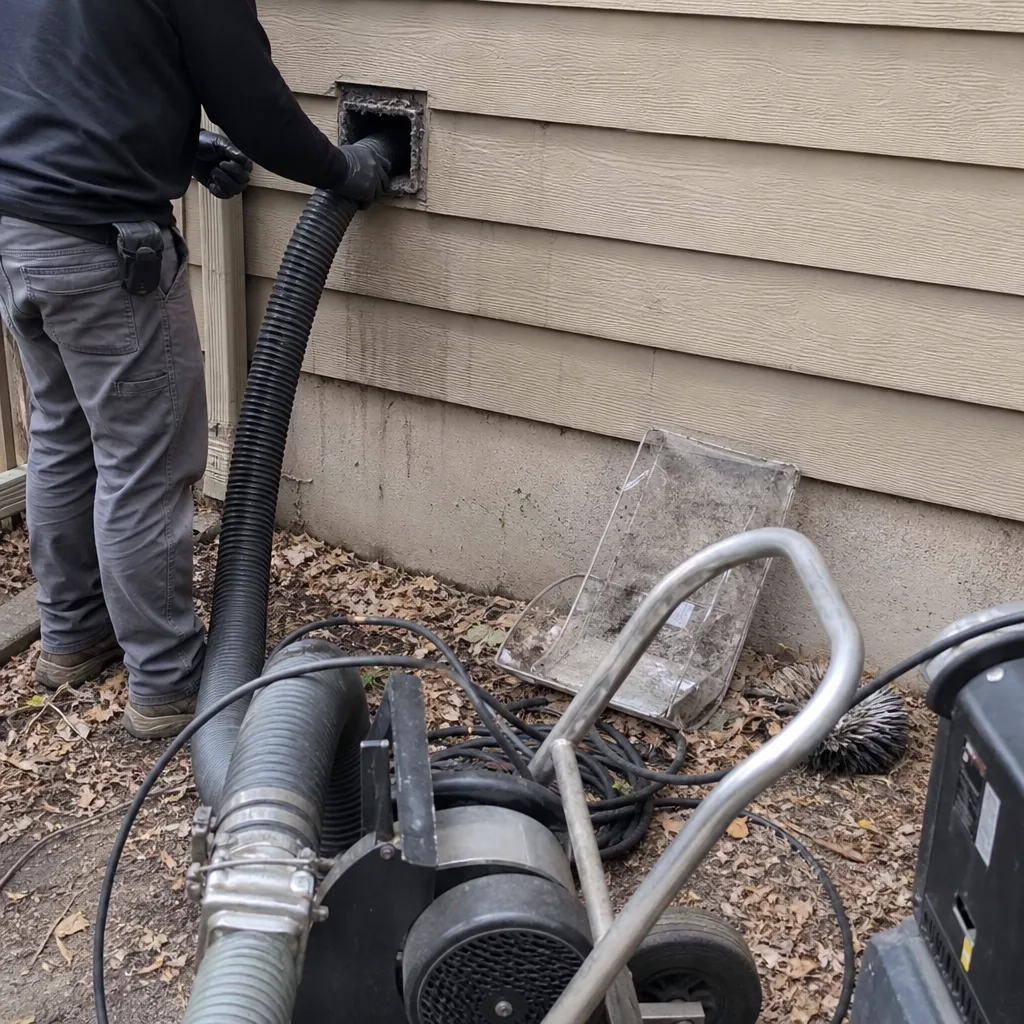 Before
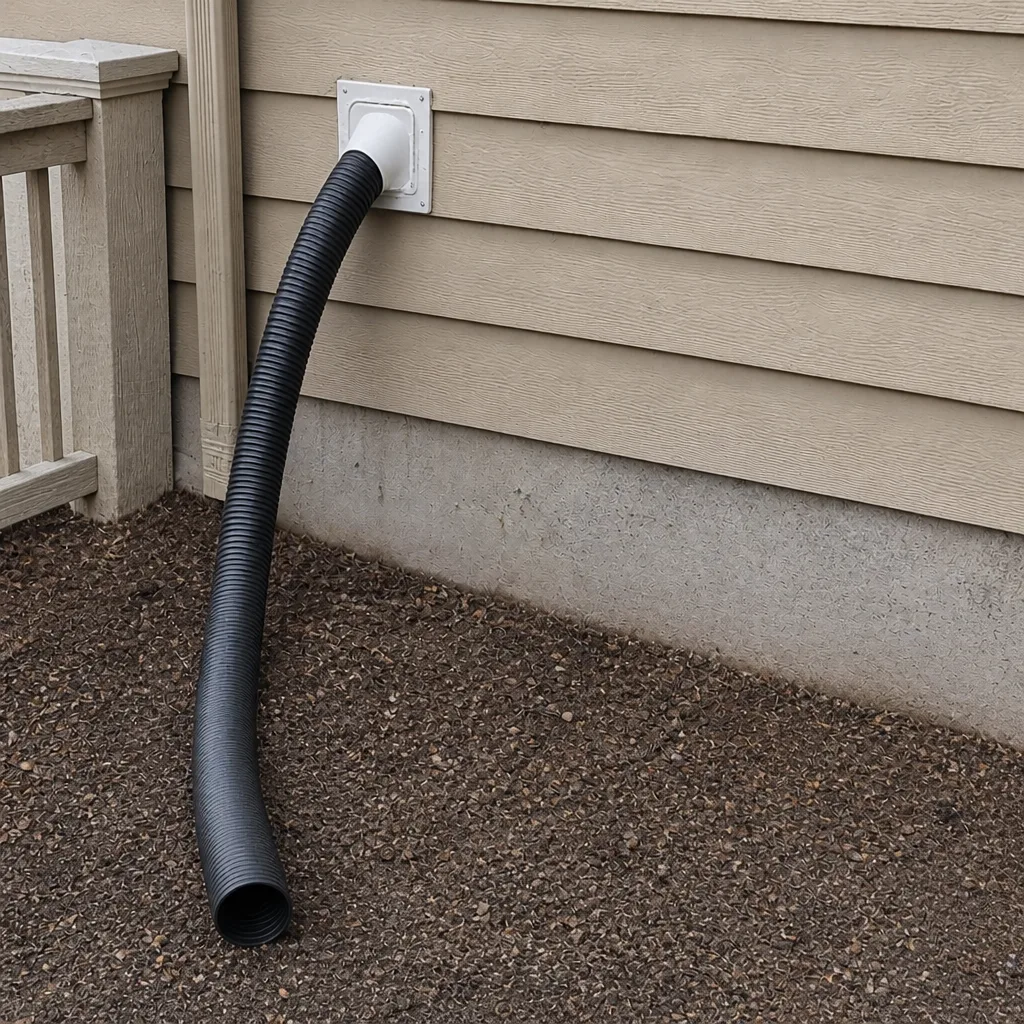 After
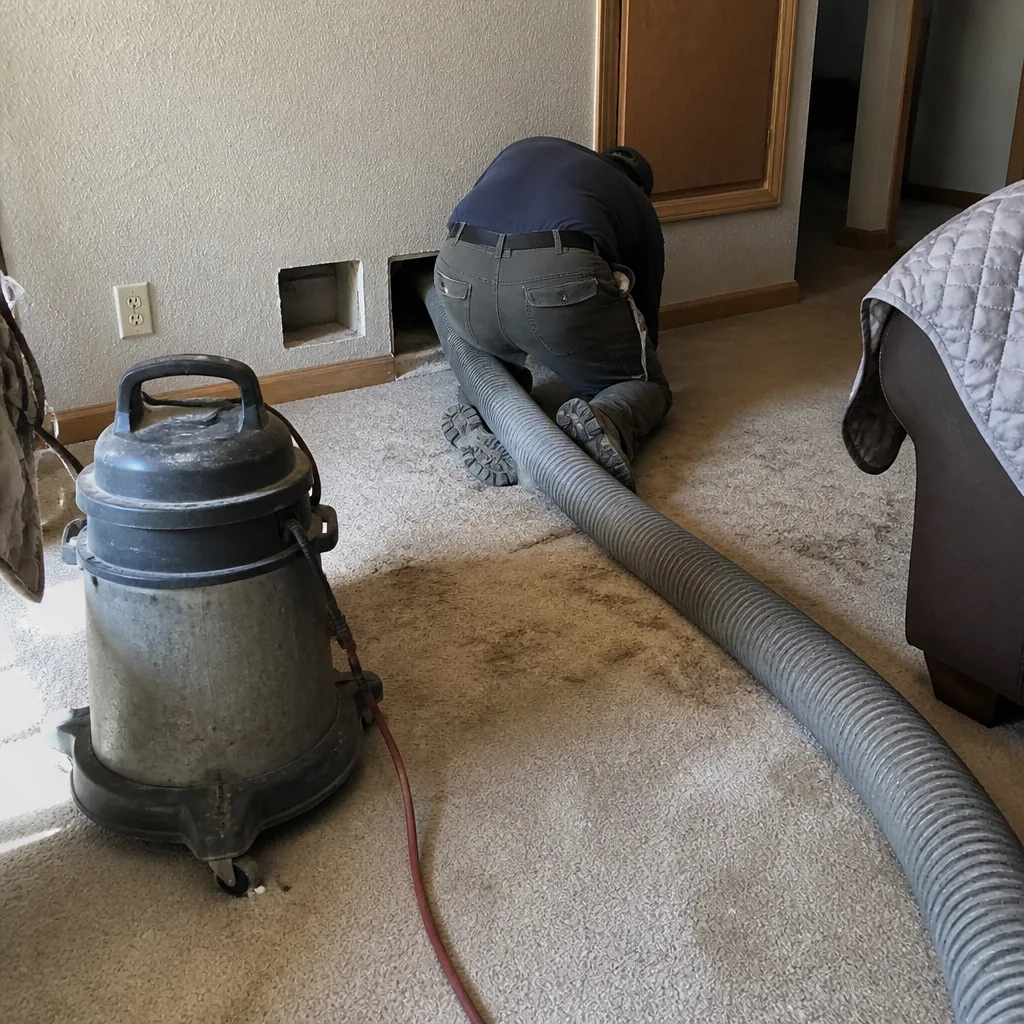 Before
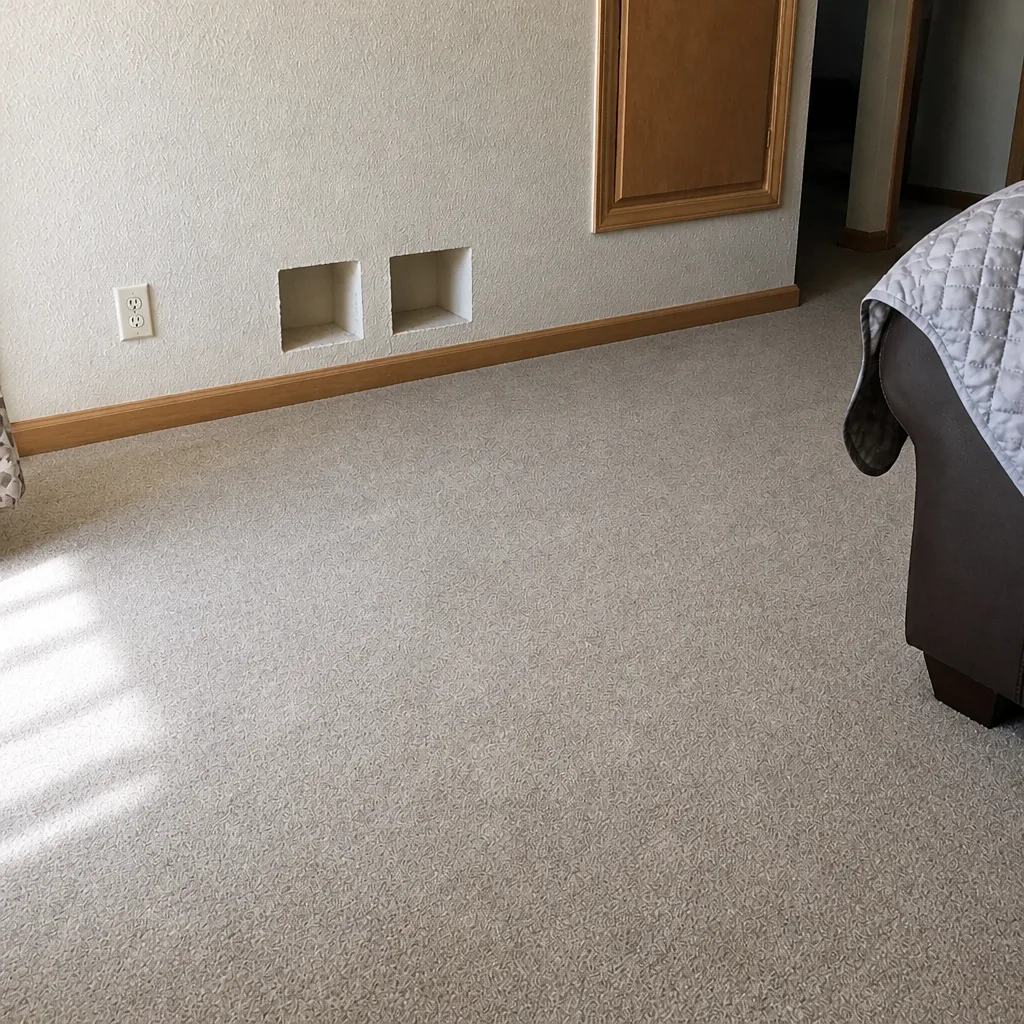 After
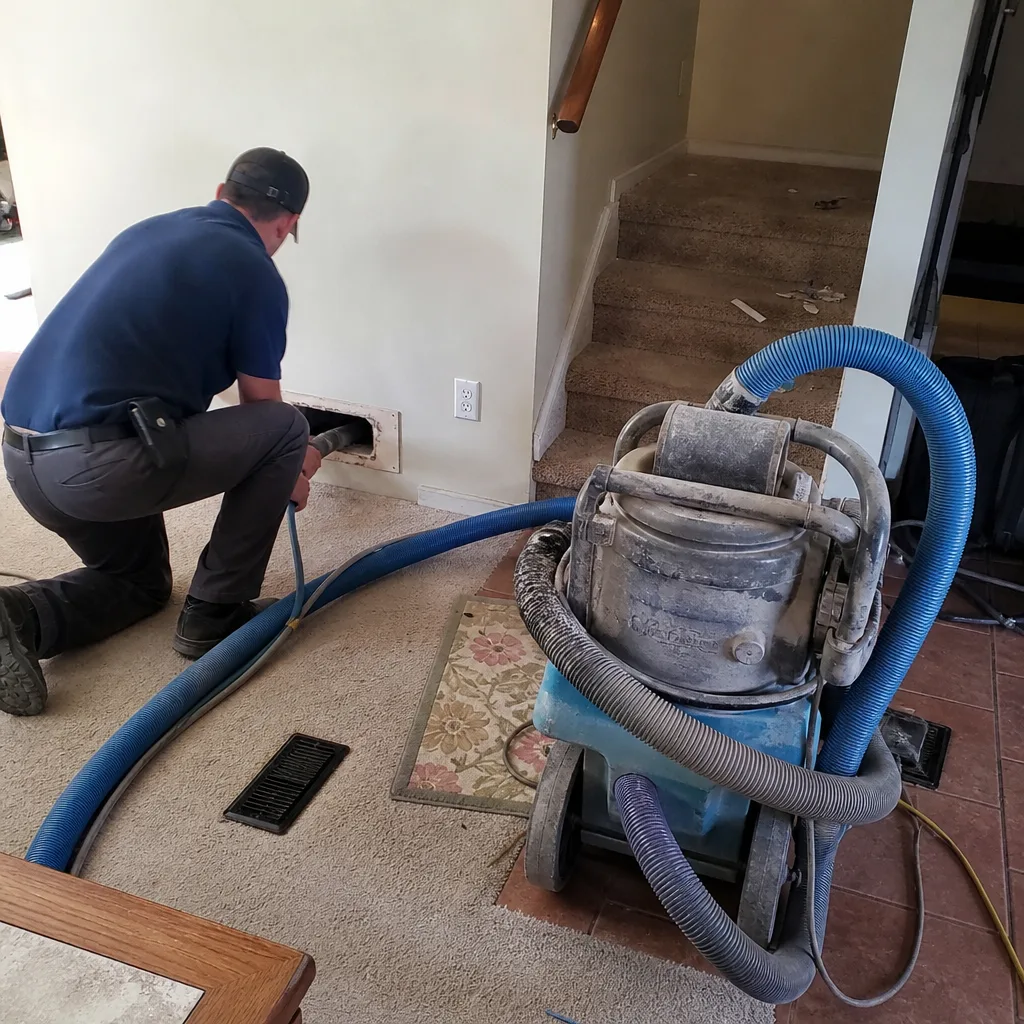 Before
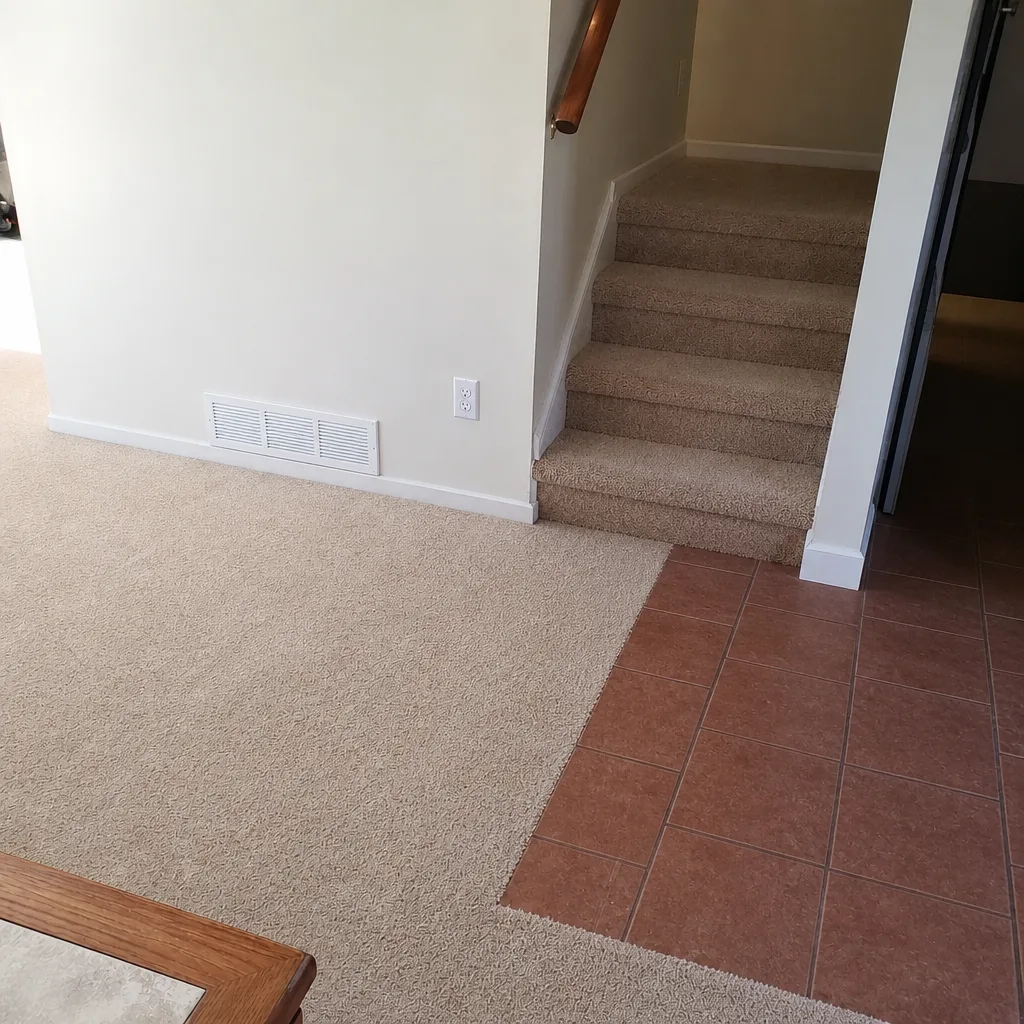 After
When to Call a Professional
Several situations warrant a call to a professional rather than an inspection video on your phone. If you’ve noticed visible dust blowing from supply registers right after the HVAC cycles on, that’s a sign the duct system is passing debris it should be capturing. If anyone in the home has developed allergy or asthma symptoms that seem worse indoors, duct inspection is a reasonable next step. If you’ve had a recent remodel, water intrusion, or pest issue, ducts often need evaluation. If you’re buying a Centennial home and the inspection report flags duct condition, or if you’re a landlord facing a tenant request, professional documentation is the right response.
Air Duct Cleaning Centennial offers free estimates in Centennial. Call (855) 337-2063. We answer 24/7. Fast dispatch from 7am to 7pm, Sunday through Friday.
Frequently Asked Questions
No. Routine air duct cleaning in Centennial does not require a permit because it doesn’t alter the duct system’s structure or capacity. Cleaning, sanitizing, and visual inspection fall outside permit-required scopes under Colorado building code. Call (855) 337-2063 for an exact quote on your specific situation; estimates are free.
It depends on what “repair” means for your system. A repair that reconnects a duct to its original boot without changing route or capacity typically doesn’t require a permit. A repair that reroutes, resizes, adds, or removes duct runs usually does. Call your city’s building department first and ask specifically about a mechanical permit for duct modification. Call (855) 337-2063 and we can walk through your scope and tell you which category it’s likely in.
Only to a limit. Surface mold inside ductwork can often be addressed with cleaning and sanitizing as part of a comprehensive service. Active mold growth with an ongoing moisture source usually requires a licensed remediation professional, containment protocols, and post-remediation verification. Ask which tier of work you’re being quoted before you agree. Call (855) 337-2063 to talk through what you’re seeing.
Prices vary by home size, number of systems, and condition. A fair quote is a flat price per system, agreed in writing before the work begins, with before-and-after photos included. A per-vent price and a low coupon headline are both warning signs that the invoice will grow once the technician is on site. Call (855) 337-2063 for a free estimate on your home.
Before-and-after photos of your own ducts, not stock imagery. Ask for them in the written estimate as part of the scope. Also ask which equipment will be used on site, since contractor-grade systems like Rotobrush and Nikro are designed for verifiable results, not a visual pass. Call (855) 337-2063 to schedule an estimate.
Most homes don’t need annual cleaning; many are fine on a multi-year cycle, and the timing depends on your home. Remodels, pets, water intrusion, pest activity, and visible debris at registers are the real triggers. In Centennial, the seasonal temperature swings and storm-season humidity are worth tracking, but condition, not a calendar, should drive the schedule. Call (855) 337-2063 and we’ll help you decide.
The Bottom Line
Routine cleaning doesn’t require a permit. Repair, modification, and mold remediation may, depending on scope. The reliable habit is to ask, in writing, which category your project falls into, and to keep the answer with your home records. In Centennial, that conversation usually starts with the city building department and sometimes moves to Arapahoe County; a competent contractor will know the difference and put it in the estimate. Keep before-and-after photos, a written scope, and a stated guarantee. Those three items protect you more than any coupon ever will. Professional-grade equipment, a flat price per system, and the documentation to back it up, that’s the standard to hold any duct company to.
Written by the team at Air Duct Cleaning Centennial.