
Last updated November 23, 2026
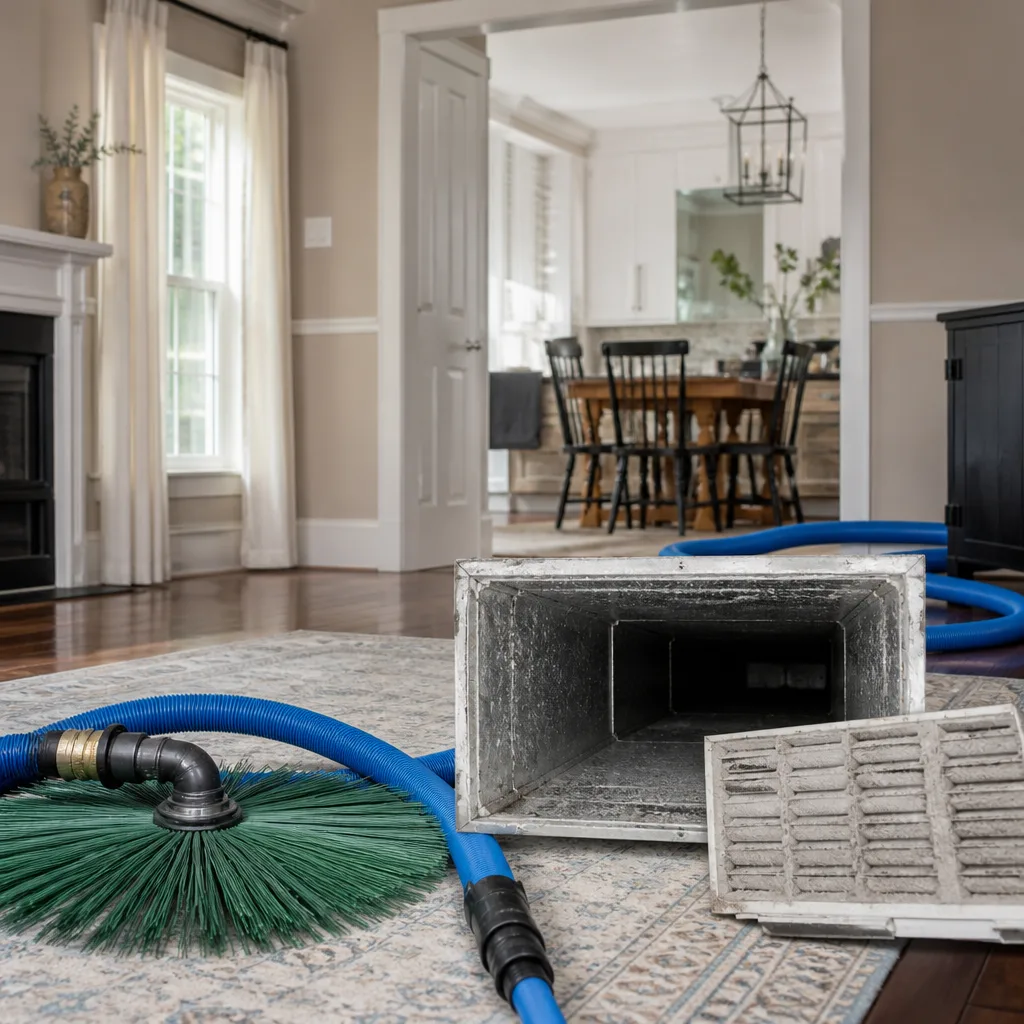 Whole-home duct cleaning
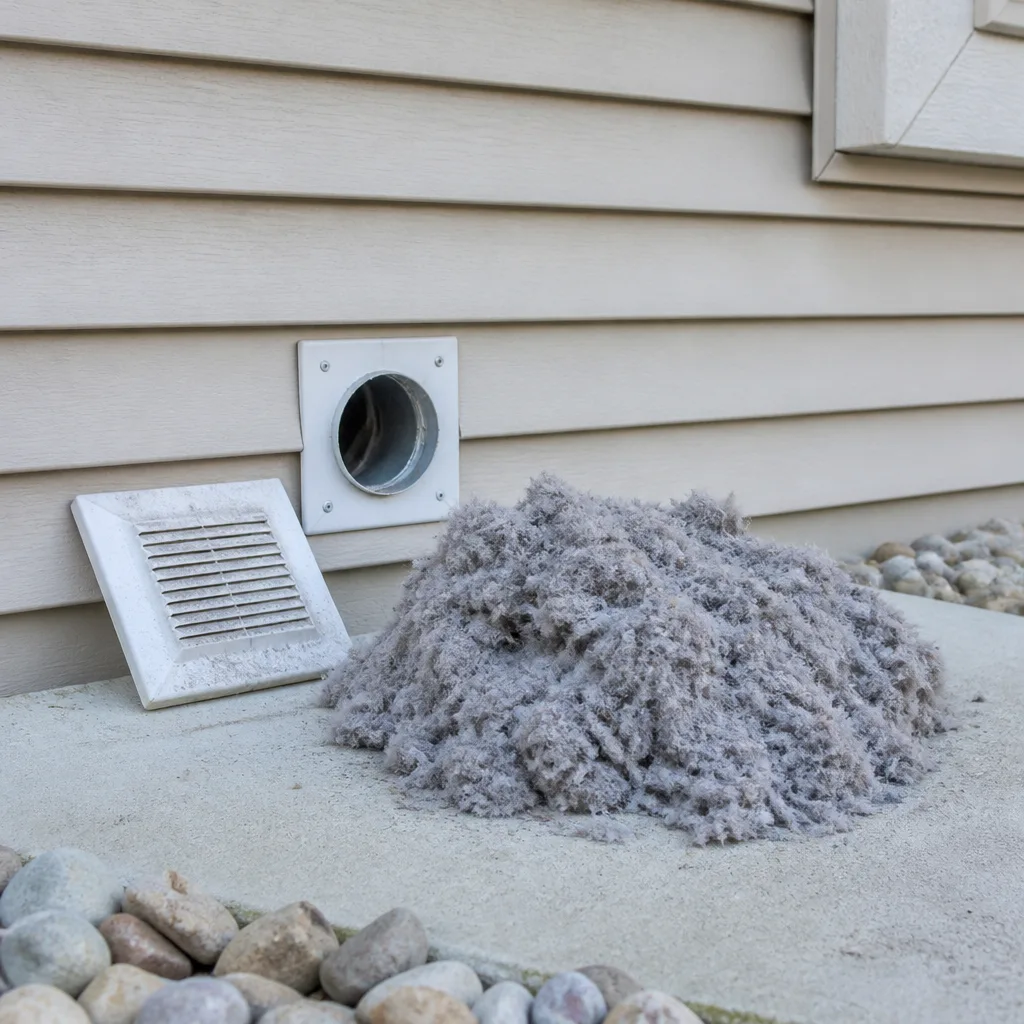 Dryer vent cleaning
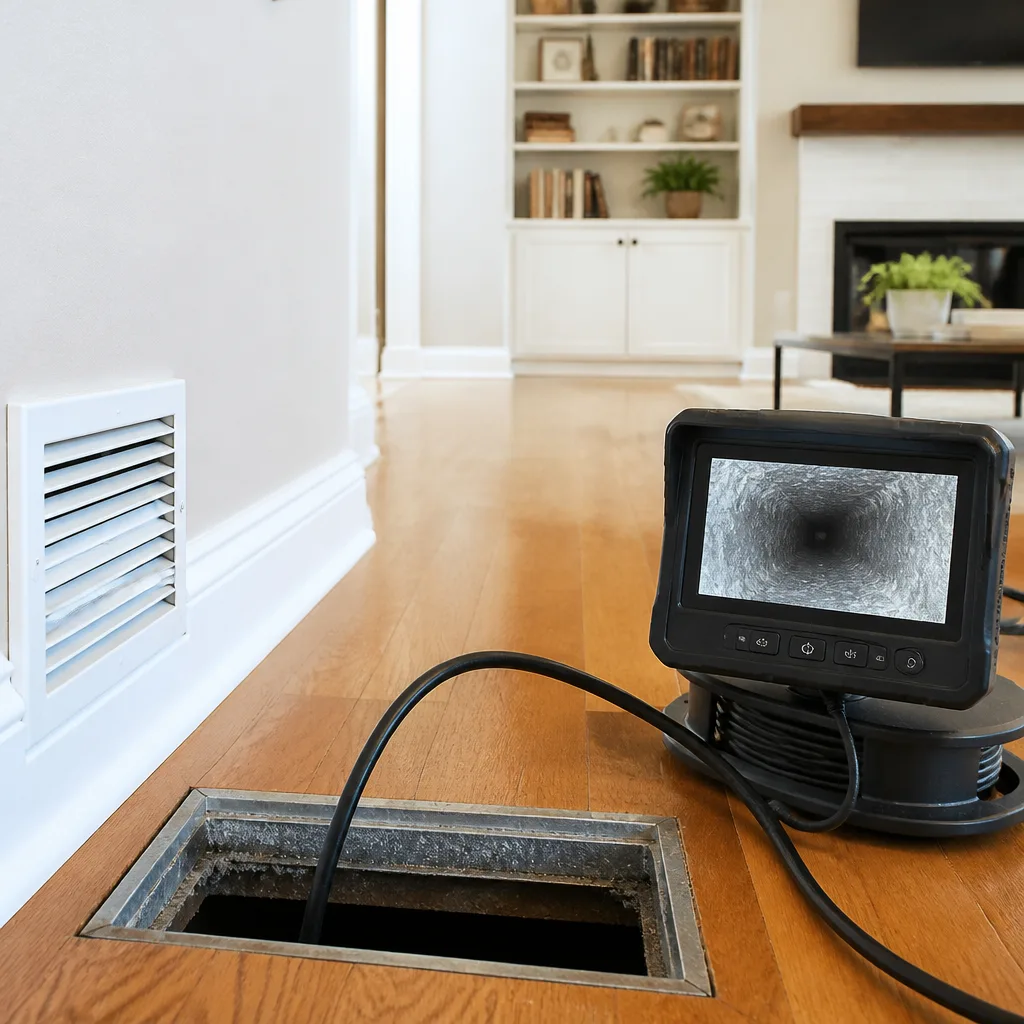 Camera inspection
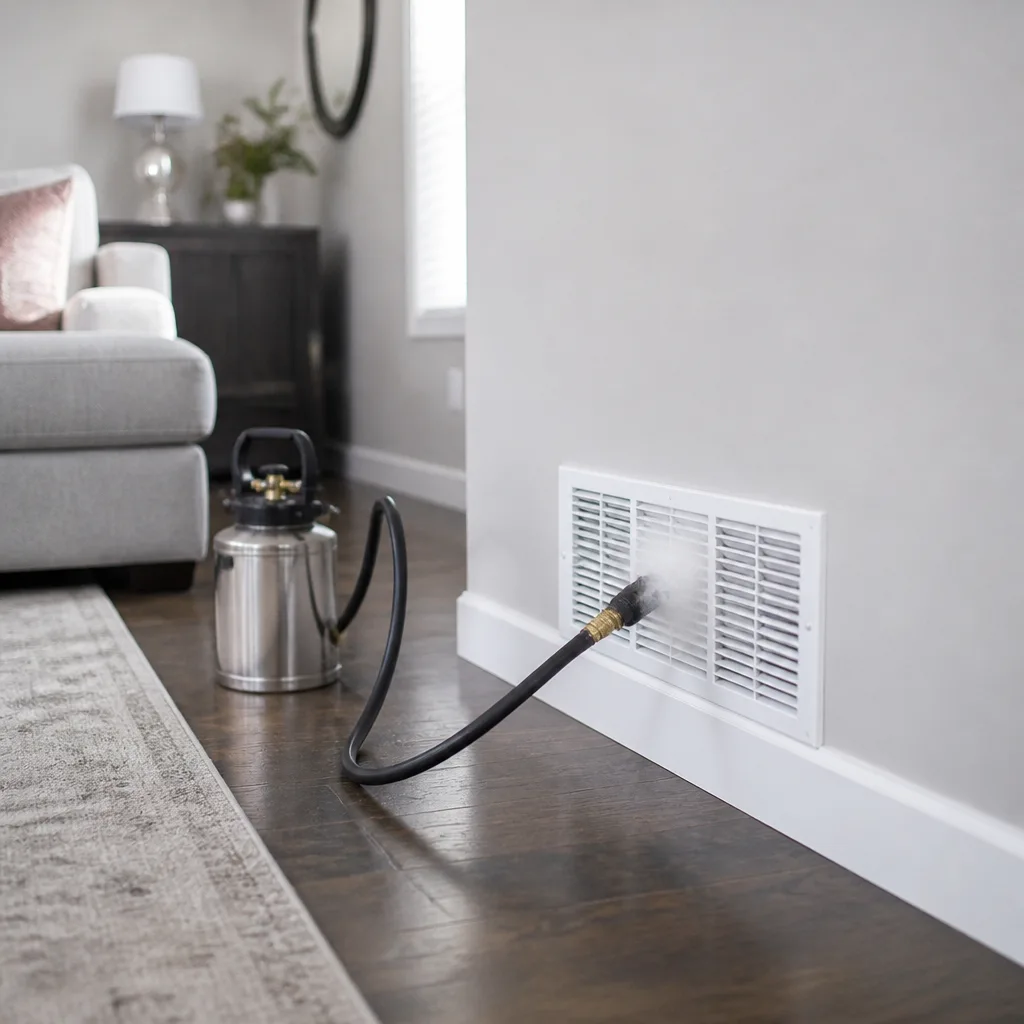 Sanitizing & deodorizing
Whole-system duct and dryer vent check with before-and-after photos - you see exactly what came out of your vents
That "$99 whole-house special" is a bait ad - the real number appears once they are in your hallway, or the "clean" is a shop-vac at the register. We photograph the inside of your ducts before and after instead.
Air Duct Cleaning Maintenance Checklist for Centennial Homeowners
The filter you change every 90 days can’t tell you what’s happening 15 feet down the duct run, and that’s exactly where most problems start. Most homeowners treat duct care as a cleaning interval: clean every few years, forget about it, repeat. But a checklist mindset catches something a cleaning schedule can’t. Duct seams separate, joints pull loose, filters fail early because of upstream contamination, and by the time the symptom shows up as musty air or a room that never warms right, the fix has grown. This guide gives you a structured, inspection-based routine for a Centennial home, with tasks sorted by how often to do them, what you can check yourself, what needs a technician, and how to log a baseline after a professional cleaning so future comparisons actually mean something.
Quick Answer
A working duct maintenance checklist for a Centennial home has three tiers: monthly filter checks and register inspections, seasonal tasks tied to the local wildfire smoke window (typically July through September), and an annual or biennial professional inspection that includes a camera look at the duct run and a check for separation and contamination. Do the homeowner tasks yourself, log what you see, and call a professional the moment you spot a loose joint, standing debris, or a filter that clogs faster than it should.
Styles & brands we work with
- Whole-home duct cleaning
- Dryer vent cleaning
- Camera inspection
- Sanitizing & deodorizing
Table of Contents
- Monthly Tasks: The Ten-Minute Check
- What Your Filter Actually Tells You About Upstream Duct Health
- How to Inspect Accessible Registers Between Cleanings
- Seasonal Checklist: Centennial’s Wildfire Smoke Window and Heating Season
- Annual Tasks: What a Technician Should Look At
- How to Log a Baseline After a Professional Cleaning
- Homeowner Tasks vs. Technician Tasks
- Building Your Maintenance Schedule
Monthly Tasks: The Ten-Minute Check
Monthly maintenance is about catching change early. You’re not cleaning the ducts yourself in these ten minutes. You’re looking for evidence: a filter that clogs faster than it used to, a register that blows weaker, a faceplate collecting dust quicker. Small observations repeated every month give you a pattern, and a pattern is what makes a professional inspection worthwhile instead of speculative.
Here’s what a monthly pass should cover:
- Pull and examine the filter. Look at the dirt pattern, not just the color. Even coverage across the media is normal. A patch that’s darker at one edge or one corner tells you the airflow is uneven, which often traces back to an open duct joint or a disconnected run.
- Wipe the face of three or four supply registers with a white cloth. Fresh grey or black film after only a month is a signal worth logging. A thin even haze is normal.
- Stand at each register and feel the airflow with your hand. Compare the strength between rooms. A room that’s noticeably weaker may have a closed damper on the branch, a crushed flex run, or a separated joint behind the drywall.
- Check for odor right after the system kicks on. A musty smell during the first 30 seconds is a red flag for moisture or biological growth somewhere in the return side.
- Look at the return grille in the hall or ceiling. Accumulation on the return face is usually heavier than on supply grilles, and it’s the clearest early indicator that the duct interior needs a professional look.
Write each observation down. A simple notebook on the fridge works. What you’re building is a timeline, and a timeline lets a technician skip the guesswork and go straight to the suspect section of ductwork. Our technicians have up to 11 years of experience, and in that time the single most useful thing a homeowner can hand us is a one-page record of what changed and when.
What Your Filter Actually Tells You About Upstream Duct Health
Your filter is a downstream diagnostic tool. It does not tell you what’s happening in the ducts themselves, but the rate at which it loads and the pattern of its loading tell you a lot about the duct condition upstream of it. A filter that lasts two or three months one year and starts clogging in four weeks the next is telling you the duct interior has shifted, likely because a joint has opened and the system is now pulling unfiltered air from an unconditioned space like a crawlspace or an attic chase.
Here’s how to read what your filter is doing:
- Even, gradual loading across the full face is normal. Replace on your usual interval and log the date.
- A dark streak down one edge points to air bypassing the filter frame. The filter is sitting slightly loose or the frame has warped, and unfiltered air is going straight into the system.
- Heavy loading on the inlet side with a clean outlet side means the filter is doing its job and the ducts upstream are dirty. This is when a professional cleaning pays for itself.
- Very fast, uniform loading combined with visible dust on return faces suggests significant duct contamination somewhere in the return plenum.
- A dull grey filter with almost no dust after months in place can mean the filter isn’t seated and air is going around it, not through it.
Filter choice matters too. Higher-MERV media traps more, but it also loads faster and restricts airflow on undersized duct systems, which is a common issue in older Centennial homes where the original duct was sized for a lower-MERV setup. If your filter clogs quickly and you’ve upsized the MERV rating, go back down one step and see if the pattern changes before assuming the ducts are the problem. If you want a full professional pass on the system, that’s what air duct cleaning is for, and a technician can tell you whether the filter behavior you’re seeing is a duct issue or a filter-fit issue.
How to Inspect Accessible Registers Between Cleanings
Accessible registers are your windows into the duct system. You can’t see around the first bend, but you can see enough to catch most early warning signs. Do this inspection every season, ideally in the same week each time so the comparison stays honest. You’ll need a flashlight, a step stool, a white cloth, and a phone camera.
- Remove the register grille. Most are held by two screws. Keep them in a small bag so they don’t get lost.
- Shine the flashlight into the boot (the transition between the grille and the duct run). Look for dust accumulation, torn duct liner, or any gap between the boot and the drywall.
- Look for daylight or a bright reflection at the far end of the visible run. A visible gap in the seam means the duct is open to the wall cavity or attic. That’s a repair item, not a cleaning item.
- Snap a photo down the run. Use the flash. Phone photos reliably show debris and separation that a flashlight alone can miss.
- Check for moisture. Condensation on the metal, water staining on the drywall around the boot, or a cold spot on the ceiling near the register all point to a duct sweating or a return pulling humid air.
- Wipe the grille face and put it back. Note the color of what came off on the cloth. Compare it to the previous season’s note.
A bright reading at the end of a duct run is the one item most homeowners miss, because it’s easy to mistake for a clean seam. In an unfinished Centennial basement or a home with a walk-up attic, open duct seams pull unconditioned air (and whatever’s floating in an attic) directly into the supply stream. That’s when duct repair and sealing becomes the real work, not cleaning. We don’t just clean; we diagnose, repair, and protect, and a separated seam behind a bedroom ceiling is exactly the sort of thing that stops showing up as a symptom once it’s properly sealed.
Seasonal Checklist: Centennial’s Wildfire Smoke Window and Heating Season
Seasonal maintenance in Centennial splits into two distinct stretches of the year. The wildfire smoke window (typically July through September) is when outdoor air quality goes bad and every filter in the house works harder than the rest of the year combined. That’s followed by the heating season, when the furnace or heat pump runs almost continuously and any accumulated dust, lint, or construction debris in the ducts moves around the home every hour of the day.
Here’s the seasonal checklist, starting from spring:
Spring (April – June)
- Replace or clean the filter and record the date. This is your pre-smoke-season baseline.
- Walk the exterior and check that the fresh-air intake (if you have one) is clear and screened.
- Schedule a professional duct inspection if you haven’t had one in the last two years.
- Test the dryer vent airflow. A dryer that takes longer than it used to is often a lint-loaded vent, not a failing dryer. That’s a task for our dryer vent cleaning side, and it belongs on the seasonal list alongside duct work because it’s part of the same air pathway.
Summer (July – September, wildfire smoke window)
- Check the filter every 30 days instead of every 90. During heavy smoke episodes, media loads up fast.
- Keep windows closed during smoke episodes and run the system on low fan to keep air moving through filtration, not the cracks in the envelope.
- Note the smoke forecast on the fridge calendar if you’ll be comparing filter load across years. Wildfire severity shifts year to year, and your records will explain why one season’s filter lasted a month and the next lasted three.
- Consider whether your system supports a higher-efficiency filter or a supplemental air quality system. Abatement Technologies equipment in a professional’s toolkit is designed for exactly this kind of trace contamination work, and a consultation during smoke season is more useful than at any other time of year.
Fall (October – November)
- Replace the filter before the heating season starts so you begin the cold months with clean media.
- Run the furnace on a cool morning and check for odor, weak airflow, or rattle. Those three symptoms point to different problems.
- Confirm all supply registers are open. It’s common for summer-cooling bedrooms to be closed and never reopened in the fall.
- Schedule HVAC cleaning if the blower wheel or evaporator coil hasn’t been touched in a couple of heating seasons.
Winter (December – March)
- Monthly filter check even on the normal interval, because heating cycles load filters faster than cooling cycles on the same system.
- Watch for condensation on cold basement ducts or window glass. Persistent moisture is a duct-insulation or air-sealing issue, not a duct cleaning issue.
- Log any room that runs colder or warmer than it used to. Room-by-room imbalance often traces back to a duct that lost its insulation or a joint that opened.
Annual Tasks: What a Technician Should Look At
The annual part of the checklist is where the professional side earns its place. About half the failure modes in a residential duct system happen out of sight: a flex run crushed behind a knee wall, a return plenum pulling attic air through a bypass, contamination growth inside an evaporator coil, a dryer vent partially blocked by lint tape and design. None of those show up on a monthly filter change.
A thorough annual or biennial pass should cover:
- A camera inspection of representative supply and return runs. Contractor-grade equipment makes this fast and non-invasive. Rotobrush and Nikro systems used in professional cleaning also include the visual tools to see into the run before and after cleaning.
- Static pressure measurement across the system. This is the closest thing to a blood pressure reading for a duct system. It shows whether the duct is undersized, restricted, or leaking before symptoms appear.
- A joint and seam check at every accessible boot and plenum connection. Any gap gets sealed. This is the duct repair and sealing part of the service, and it’s often more valuable than cleaning because it stops the problem from recurring.
- A blower compartment and coil inspection. The blower wheel is a dust trap. So is the coil. Both are part of the air pathway even though they’re not duct.
- A filter-fit check. The filter should sit flush in its frame with no visible bypass. If it doesn’t, that’s the reason the ducts are getting dirty faster than they should.
- A dryer vent inspection on the same visit. It’s the same toolkit and it’s the other major airflow path in the home.
We use professional-grade equipment, not consumer shortcuts. Rotobrush and Nikro systems are the same class of machine used by commercial and industrial contractors, and they’re the reason a proper cleaning takes real time rather than twenty minutes with a shop vacuum.
How to Log a Baseline After a Professional Cleaning
Most homeowners never get real value out of a professional cleaning because they don’t record what “clean” looked like. Two years later, they can’t tell whether the ducts are dirty again or just normal. A written and photographed baseline fixes that. It’s the single most useful maintenance habit and almost nobody does it.
Here’s what to capture immediately after a cleaning, before the system runs for a week:
- The cleaning date and what was cleaned. Supply, return, both, plus the blower and coil if those were included.
- Before-and-after photos of the duct interiors. A reputable cleaner will provide these. Our teams provide them as standard, because a photo of your own ducts answers the question every homeowner has: was the work actually done?
- A photo of the newly installed filter, with its MERV rating and the date written on the edge. Sharpie on the filter frame is the fastest reference you’ll ever have.
- A photo of each cleaned register face. Six months later, a wipe comparison against the photo tells you exactly how fast dust is building up.
- Static pressure and airflow readings if they were taken. A technician measuring these before and after is doing real diagnostic work, not just emptying the ducts. Ask for the numbers.
- Any duct repair or sealing performed. Which joints were sealed, and where. This matters because a resealed joint is a permanent improvement; a cleaning is not.
Then do the same wipe-and-photo routine at six, twelve, and twenty-four months. If the six-month photo looks like the one-week photo, your system is performing and your cleaning interval is right. If the twelve-month photo is noticeably dustier, either the interval is too long or a new leak is pulling debris in. That’s the information a baseline gives you. Without it, all you have is a vague feeling that it’s probably time again.
Homeowner Tasks vs. Technician Tasks
Sorting the checklist by who can actually do the job is the difference between a routine that works and one that gets ignored. Most filters and register inspections are homeowner tasks. Anything behind drywall, inside the plenum, or requiring a pressure gauge is not.
| Task | Who Should Do It | Frequency |
|---|---|---|
| Filter replacement | Homeowner | Every 60 – 90 days (more often during smoke season) |
| Register face wipe and airflow check | Homeowner | Monthly |
| Flashlight and phone-photo inspection of the boot | Homeowner | Seasonally (four times a year) |
| Exterior intake and vent screen check | Homeowner | Spring |
| Camera inspection of duct interiors | Technician | Every 18 – 24 months |
| Static pressure measurement | Technician | Annually, or any time airflow changes |
| Sealing separated joints and plenum connections | Technician | As found, every inspection |
| Blower wheel and evaporator coil cleaning | Technician | Every 2 – 3 years, or as symptoms indicate |
| Dryer vent cleaning | Technician | Annually |
| Air quality system check (Honeywell, Aprilaire, Guardsman treatment) | Technician | Annually, or during remediation work |
Notice that the technician column is not just cleaning. About half those line items are inspection or repair, and that’s the point of this whole guide. Air Duct Cleaning Centennial offers all five service lines: duct cleaning, dryer vent, HVAC cleaning, repair and sealing, and air quality sanitizing. One provider covering the full air pathway is the difference between a cleaning and an actual diagnosis. If you suspect structural problems rather than simple accumulation, the air duct cleaning Centennial hub page explains how the five services fit together.
Building Your Maintenance Schedule
Here’s the routine that works for most Centennial homes, laid out on a calendar. Adjust based on what you find in the first year:
- Month one: get a professional inspection and cleaning, take your baseline photos, and write the date on the new filter.
- Every month: ten-minute filter check, register wipe, and airflow comparison. Log what changed.
- Every quarter: register inspection with a flashlight and phone camera. Compare photos to baseline.
- April: spring pre-smoke-season filter swap, exterior intake check, dryer vent check, professional inspection if it’s due.
- July through September: 30-day filter checks during the smoke window. Note outdoor smoke days on your log.
- October: pre-heating-season filter swap, confirm registers are open, run the system and listen for change.
- December through March: monthly filter and register checks, watch for condensation, note any room-temperature drift.
- 18 to 24 months after the last cleaning: repeat the professional inspection and cleaning if the baseline comparison shows accumulation.
That’s eight items covering a full year. The monthly tasks take less time than scrolling your phone for one commute. The annual professional visit is the only item that requires scheduling a technician. Everything in between gives that visit a reason to exist.
Common Mistakes to Avoid
- Cleaning based on a calendar interval alone. The “every three to five years” rule of thumb ignores how your specific system is performing. A filter-pattern log and a baseline photo comparison beat any generic interval.
- Skipping the phone-photo inspection because the flashlight looked clean. The camera shows far more than the eye does, especially down a flex run where a small tear or separation reads as a smooth surface in low light.
- Treating a filter change as maintenance for the ducts themselves. Filters protect the equipment, not the ducts. They don’t clean the duct interior, and they can’t touch the dirt that’s stuck to the walls of the run where it’s out of the airflow path.
- Ignoring the return side. Most homeowners focus on supply registers because those are visible and feel like the “output.” The return grille in the hallway is usually dirtier and tells you more.
- Not photographing the work after a professional cleaning. Before-and-after photos of your own ducts are the only real answer to “did they actually clean anything?” Insist on them, and keep them in a folder with the service date.
- Skipping the duct repair and sealing step. Cleaning a duct system that has open joints is a temporary fix. The next round of dust is coming in through those gaps before the cleaning even finishes. We don’t just clean; we diagnose, repair, and protect.
- Treating the dryer vent as a separate appliance problem. It’s the other major air pathway in a Centennial home, and letting it run for years without attention is the single most common maintenance gap we see.
See the difference
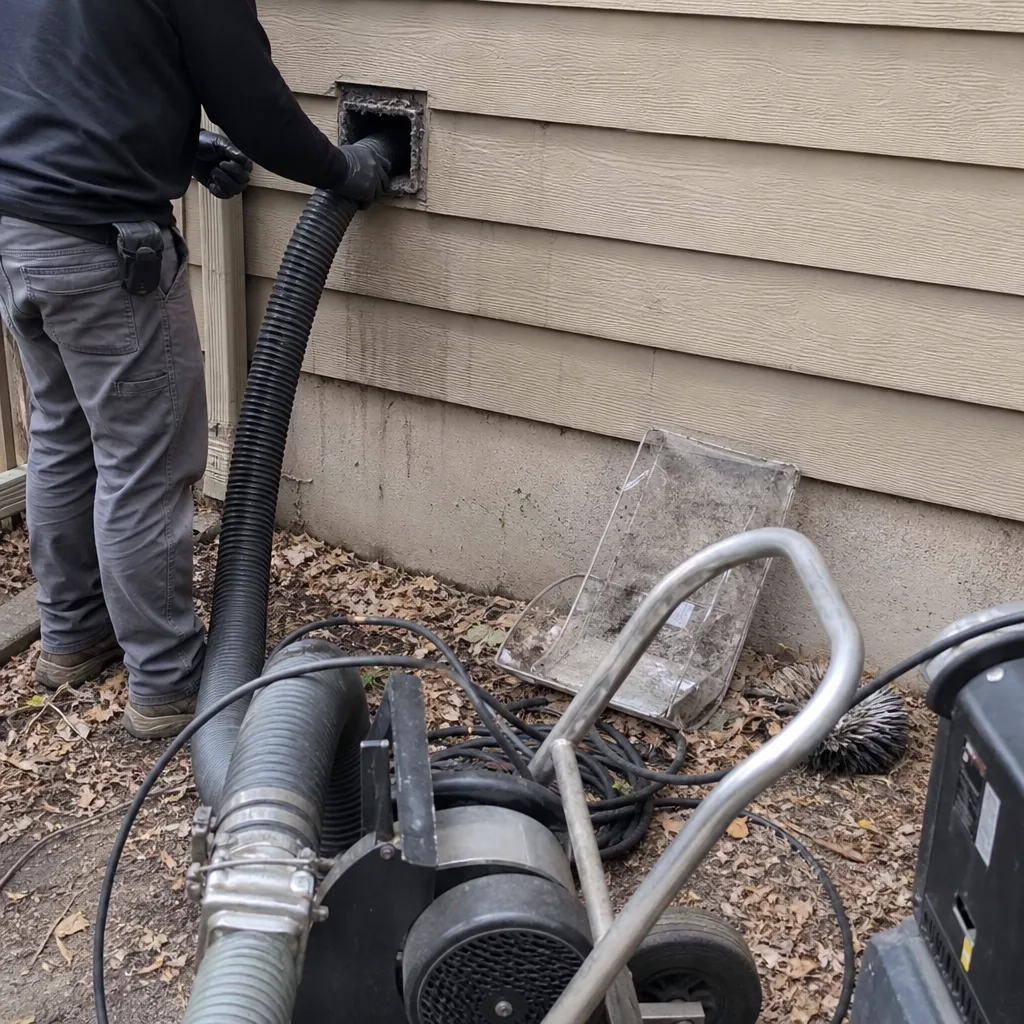 Before
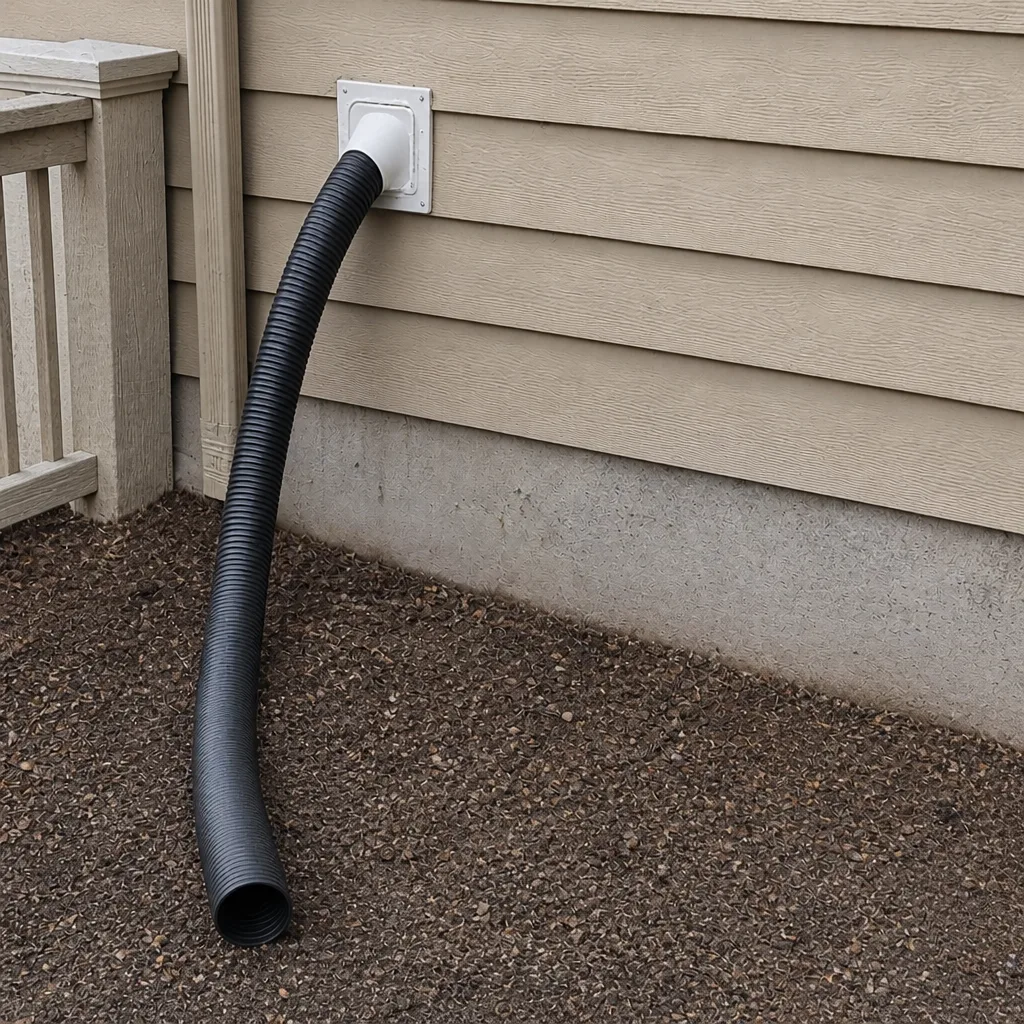 After
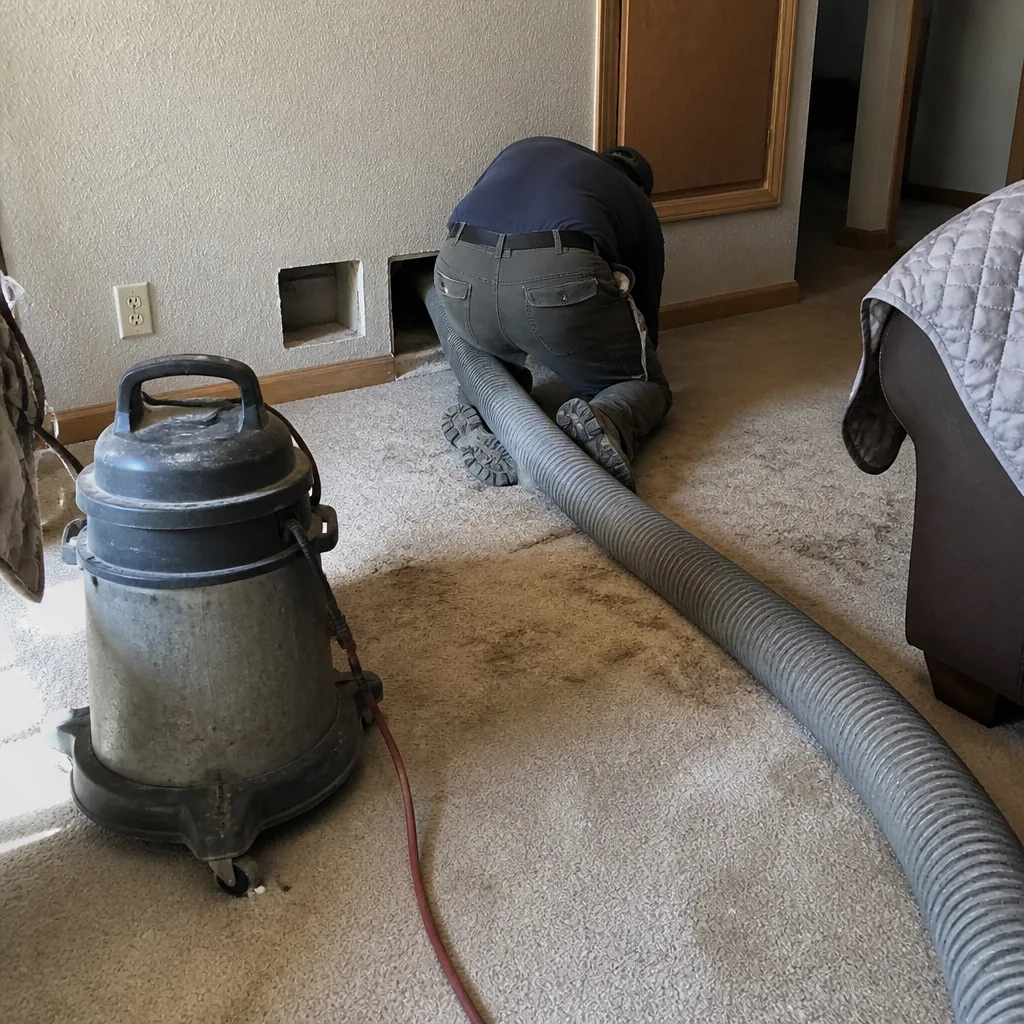 Before
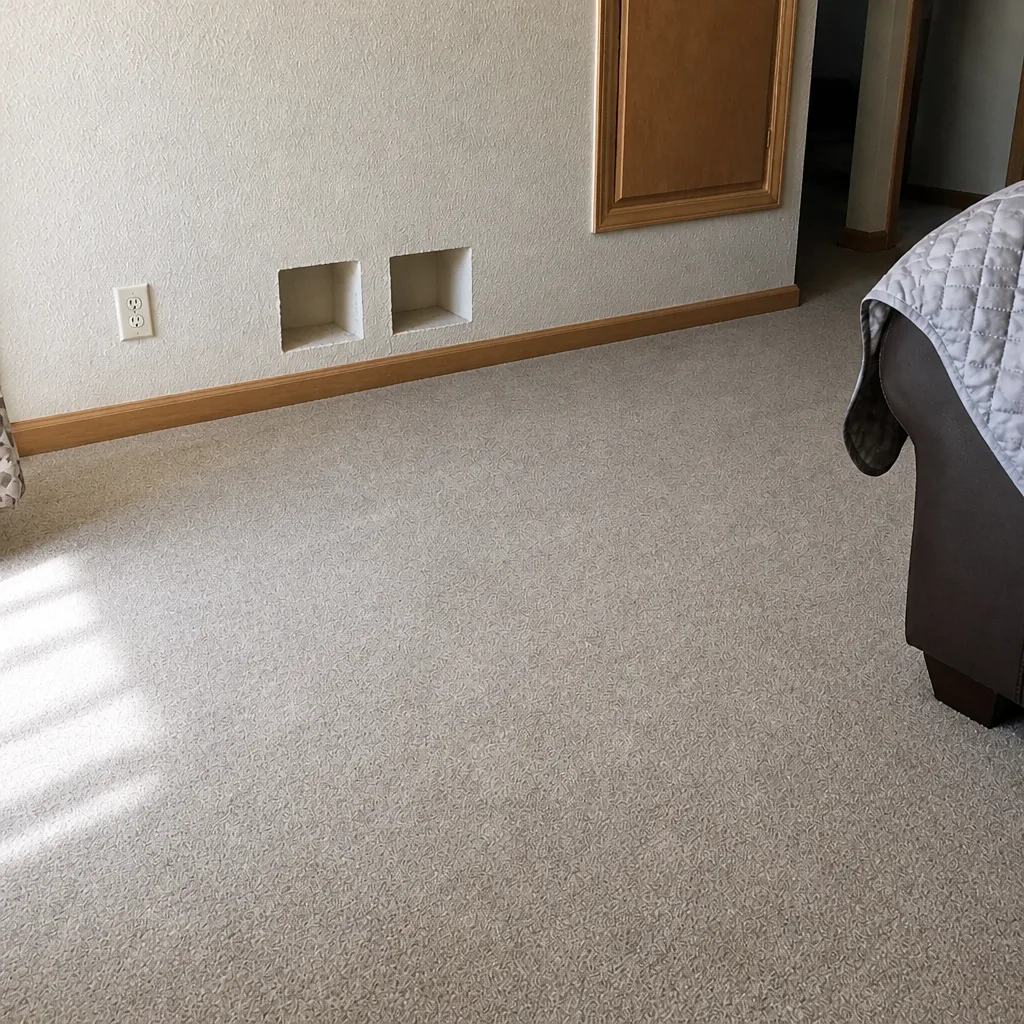 After
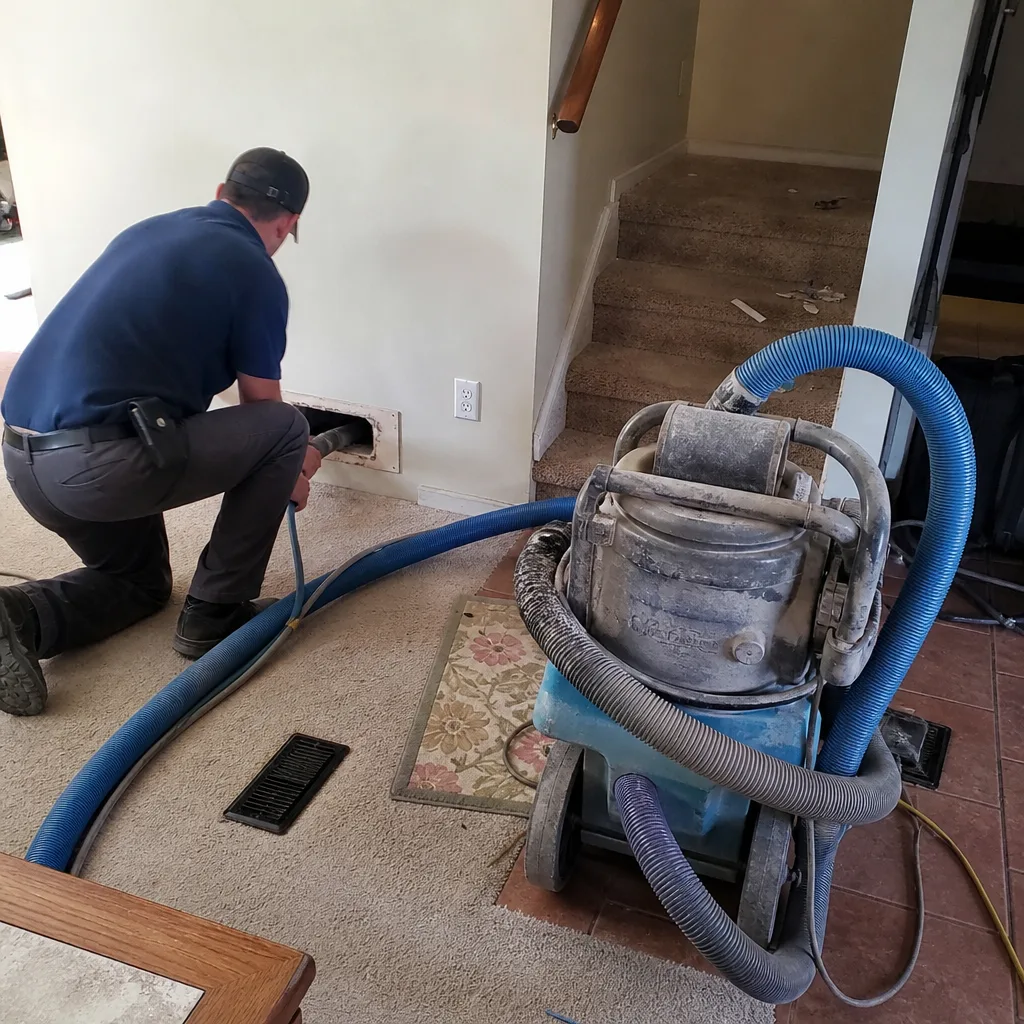 Before
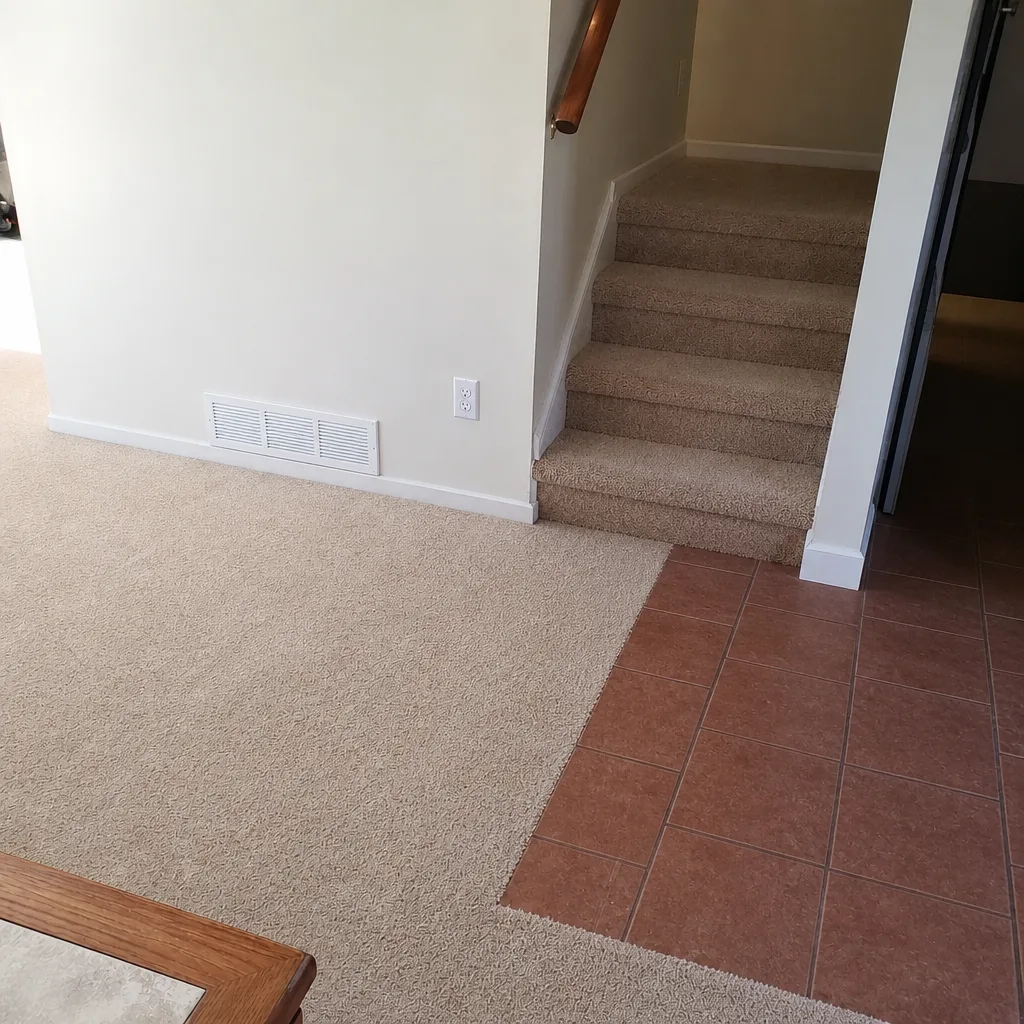 After
When to Call a Professional
Call a professional when the checklist starts telling you something is off. Specifically: any visible daylight or gap at the end of an accessible duct run; a filter that clogs in half the time it used to; consistent moisture or musty odor at a register; airflow that has dropped in one room without an obvious damper cause; a dryer that takes two cycles to dry a load; visible mold or dark staining around a return grille; or any sign that the duct system has been pulling air from an attic or crawlspace. Any of those is a reason for a professional inspection, not a bigger filter. Air Duct Cleaning Centennial offers free estimates in Centennial. Call (855) 337-2063. We answer 24/7. Fast dispatch from 7am to 7pm, Sunday through Friday.
Frequently Asked Questions
Most Centennial homes are well served by a professional cleaning every 18 to 24 months, with a full inspection in between. Homes with pets, recent remodeling, or a history of wildfire smoke exposure during the summer window often need cleaning closer to the 18-month mark. The filter-pattern log and baseline photos from this guide tell you when your specific system is ready, which is more accurate than a generic interval. Call (855) 337-2063 for a free estimate.
No. A shop vacuum can’t generate enough airflow or agitation to remove debris stuck to the interior walls of a duct run, and it can’t inspect, seal, or verify the result. Contractor-grade systems like Rotobrush and Nikro have rotating brush heads and negative-air containment designed for the job. A shop vacuum pulled through a return can also blow dust back into the home through the very system you’re trying to clean.
Cleaning addresses accumulated dust and debris inside a system that’s structurally sound. Repair addresses the leaks, separated joints, crushed runs, and disconnected flex sections that pulled the dust in and will keep pulling it in. If your filter clogs fast, one room underperforms, or you see daylight at the end of an accessible run, you’re looking at a repair item and the cleaning is downstream of it. Our technicians have up to 11 years of experience and diagnose which it is before quoting.
Ask what equipment they use, whether they inspect the duct with a camera before and after, whether they provide before-and-after photos of your own ducts, and whether they offer duct repair and sealing in addition to cleaning. A company that only cleans is a company that leaves the structural cause untouched. Abatement Technologies tools in the kit, or authorized work on Honeywell and Aprilaire air quality systems, is a signal the provider handles more than surface cleaning. Call (855) 337-2063 for a free estimate.
Yes. The July to September smoke window loads filters and duct surfaces significantly faster than the rest of the year because the system is pulling outdoor air through the envelope and cycling interior air more. Filters during that stretch often need changing at 30 days instead of 90. If you have Honeywell or Aprilaire air quality equipment, it’s worth a check before the smoke season starts so it’s working at full capacity through the worst of it.
Sanitizing is worth considering when there’s evidence of moisture, biological growth, or contamination, not as a routine add-on after every cleaning. Guardsman-grade products used in a proper sanitizing service are applied after cleaning and repair so the treatment protects a clean, sealed surface rather than sitting on top of existing contamination. A professional inspection tells you whether sanitizing is warranted. Call (855) 337-2063 for a free estimate.
The Bottom Line
A duct maintenance checklist is a diagnostic schedule, not a cleaning reminder. The homeowner tasks (monthly filter checks, register wipes, airflow comparisons, quarterly photo inspections) take a couple of hours a year and give you the pattern. The professional tasks (camera inspection, static pressure, joint sealing, blower and coil cleaning) catch the failures that happen out of sight. Add the wildfire smoke window (July through September) to the calendar, log a baseline immediately after every professional cleaning, and compare honestly at six, twelve, and twenty-four months. If you want a professional inspection and a proper baseline to start from, that’s what we do, with Rotobrush and Nikro equipment and full five-service coverage on the entire air pathway in a Centennial home.
Call (855) 337-2063 for a free estimate. We answer 24/7. Fast dispatch from 7am to 7pm, Sunday through Friday.
Written by the team at Air Duct Cleaning Centennial.